
Introduction: Do you really understand the trade-offs?
Have you ever stood in a lab, staring at a stack of sample tubes and wondered whether automation will actually make your life easier? Automated nucleic acid extraction sits at the heart of modern molecular workflows, promising speed and consistency, yet it often hides trade-offs that only show up in routine use (and they can be revealing). I’ve seen labs save hours per run, and I’ve also watched teams struggle with unexpected downtime—so I ask: what should you weigh before you commit?
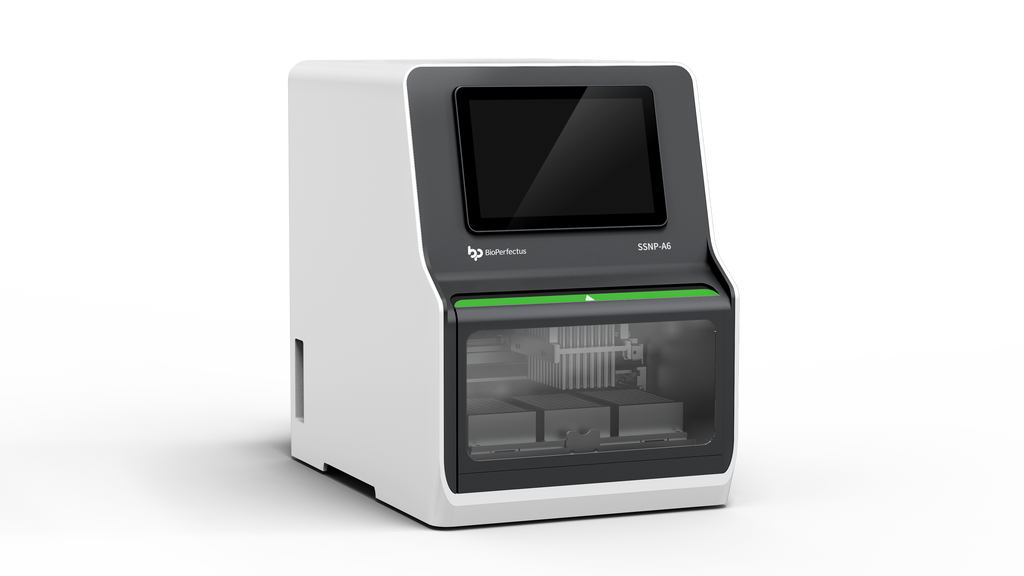
In this piece I share what I’ve learned working with technicians and managers: the real costs, the hidden bottlenecks, and the small decisions that determine whether automation becomes an asset or a headache. We’ll move from problems to practical choices, and I’ll point you to concrete ways to evaluate machines without the sales gloss. Ready? Let’s look under the lid — then we’ll dig into where things really go wrong.
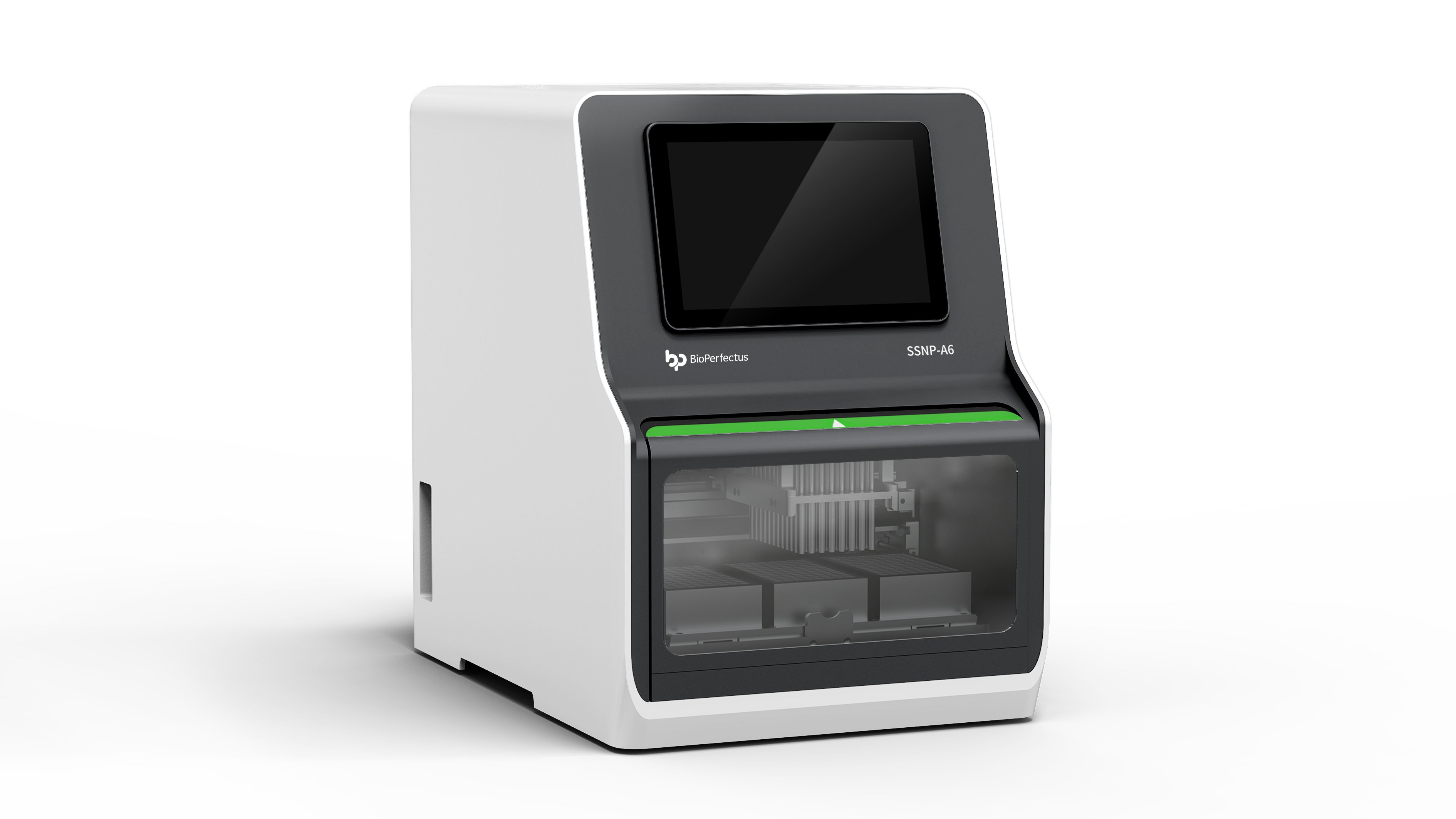
Part II — Deep Dive: Why the old ways frustrate users (and where automation stumbles)
When I say “dna extraction machine,” I mean the automated platforms that replace manual pipetting and spin-column steps — dna extraction machine is the shorthand I use on the bench. Technically, these systems centralise lysis, binding, wash and elution steps using magnetic bead workflows, robotic pipetting and preset protocols. That sounds neat, but the problems emerge when real samples hit theory.
First, throughput expectations often mismatch reality. A machine rated for X plates per hour assumes perfect sample prep, ideal reagent quality and zero re-runs. In practice, variable sample matrices (blood, saliva, environmental swabs) change lysis efficiency and binding kinetics. Second, consumable design and supply chains bite you—specialised cartridges or tips, single-vendor reagent packs, and proprietary buffers can inflate running costs. Third, serviceability matters: pipetting robotics and magnetic modules need calibrating; maintenance windows disrupt schedules. Look, it’s simpler than you think to underestimate these costs.
What’s the core issue?
Put bluntly, automation transfers some manual risks into different ones. You lose human flexibility—someone who improvises at the bench—to gain reproducibility. But that reproducibility only holds if the system’s chemistry, deck layout and software align with your sample types. Magnetic bead chemistry, lysis buffer compatibility and elution volume are industry terms you’ll hear often; they aren’t jargon, they’re the knobs you’ll need to tune. I’ve watched labs buy a machine for speed and then be slowed by reagent incompatibilities and unplanned downtime—funny how that works, right?
Part III — Forward View: New principles and how to judge future-ready systems
Moving on from the pitfalls, I want to explain some new technology principles that can reduce those hidden frustrations. Modern platforms are shifting from closed, single-vendor ecosystems to modular designs that accept third-party consumables, and that change matters. Integration with LIMS, standardised deck layouts and open protocol scripting mean a system can adapt to new assays rather than force you to change practice. Again, the dna extraction machine I reference here is an example of a platform designed to balance throughput with flexible chemistry.
Think in terms of principles: modularity (swap a magnetic head without a full service call), compatibility (accept multiple reagent sources), and resilience (on-board diagnostics, remote updates). These principles cut downtime and give you breathing space when assays evolve. — and yes, that’s messy sometimes when teams are mid-validation. From my perspective, adopting these principles saves time and reduces frustration over the medium term.
What’s Next — practical takeaways
To finish, here are three clear evaluation metrics I recommend when choosing a system: 1) True throughput with your sample types (not manufacturer’s ideal); 2) Consumable and reagent flexibility — can you source alternatives?; 3) Service model and remote diagnostics — how fast can faults be diagnosed and fixed? Use these metrics in side-by-side tests. Weigh them against your lab’s priorities: speed, cost per sample, and adaptability. I’ve advised teams who flipped a choice after a single pilot run, and that direct test is worth its weight in saved headaches.
In short, automation can transform a lab, but only if you buy with eyes open. I speak from hands-on trials, long validation runs, and late-night troubleshooting. If you start with realistic throughput numbers, insist on reagent choices, and prioritise modular designs, you’ll avoid the common traps. For more on platforms that balance those trade-offs, see BPLabLine — they make systems built for labs that actually work.