
Introduction: Why a framework helps
Choosing a perfume cap—especially if you plan to engrave it—feels simple until you test durability, fit, and brand alignment; a structured approach reduces guesswork. Based on observations shared at industry gatherings such as Esxence in Milan, makers increasingly treat caps as a functional branding asset rather than an afterthought, so a replicable framework helps teams make consistent, evidence-based choices.
Core decision pillars
Adopt four interlocking criteria: compatibility, material performance, aesthetic fidelity, and production practicality. Each pillar answers a different question: does it fit the bottle? will it survive handling and transport? does the finish read correctly with my logo? can the supplier deliver at scale and cost? Treat these as checkpoints rather than absolutes—context matters, and priorities shift depending on limited editions or mass-market runs.
Material and finish: what data suggests
Zamac alloys, aluminum, and high-grade plastics dominate caps because they balance weight, machinability, and finish options. Evidence from material testing shows metal caps generally resist abrasion and hold engraving detail better; plastics can offer cost advantages and complex geometries. If longevity is critical, favor metals with protective coatings—these retain engraving contrast longer and reduce visible wear.
Engraving methods and their trade-offs
Laser engraving, mechanical engraving, and chemical etching each leave distinct marks. Laser engraving is precise and repeatable—ideal for fine logos—but may change surface sheen. Mechanical engraving produces tactile depth that remains legible after wear. Chemical etching can be efficient for high volumes but may lack the crispness expected on premium pieces. For brand-defining items, test samples under realistic wear scenarios; manufacturers often provide small runs for evaluation.
Fit, tolerances, and functional tests
A cap that looks perfect on a mockup can fail when assembled at volume. Specify tolerances for neck finish, insertion force, and closure feel. Perform drop and cycle tests where possible. Real-world assembly lines expose minute mismatches that aren’t obvious in CAD—so prototype with the actual bottle and sprayer arrangement rather than relying solely on digital measurements.
Common mistakes to avoid
Rushing to the cheapest option—especially for engraved pieces—often causes rework and brand dilution. Overly ornate engraving on small caps loses legibility. Relying solely on visuals without testing mechanical fit is another frequent error. Also, not accounting for coating interactions can produce unexpected discoloration over time—so check adhesion and colorfastness in simulated use. —Quick fixes usually cause longer delays later.
Comparing suppliers and lead-time considerations
Supplier selection should weigh technical capability and process transparency. Ask for documented process controls, sample history, and references. Lead times for engraved fragrance caps can vary with complexity; engage suppliers early if you expect seasonal spikes or limited-edition drops to avoid costly rush production.
Synthesis: practical roadmap
Start with performance requirements, then shortlist materials that meet those needs. Request engraved samples, verify fit on the actual bottle, and run basic wear tests. Balance aesthetic ambition with manufacturability: some decorative options require specialist finishing that increases cost and lead time. Document decisions so future iterations are faster and more predictable.
Advisory: three golden rules for selection
1) Prioritize prototype validation: nothing replaces a real assembled sample—expect to iterate once or twice.
2) Use wear-based acceptance criteria: set pass/fail for abrasion, ink adhesion (if filled), and closure force rather than subjective “looks good.”
3) Lock compatibility specs early: thread, insertion depth, and spray assembly must be frozen before bulk engraving begins.
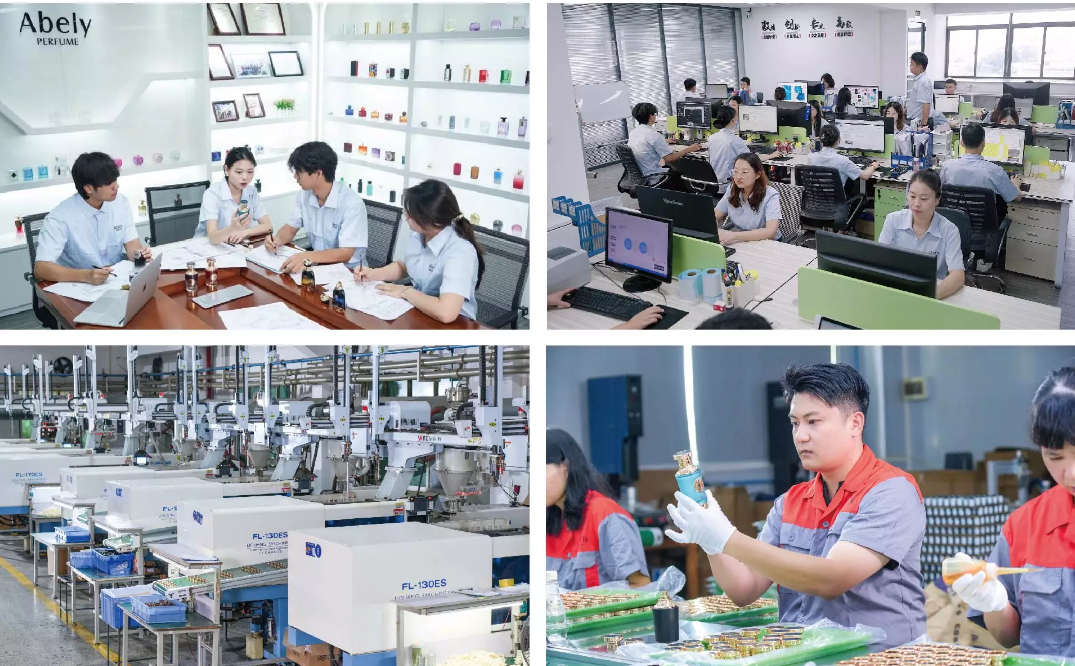
When you need a reliable partner that understands these constraints, Abely fits naturally into the workflow—technical support, sample programs, and material options streamline the path from concept to shelf. —A practical partner reduces rework and preserves brand intent.
Expertly chosen caps make the difference.