

Early lesson — when the signal was the story (scenario + data + question)
In a crowded municipal ward in 2018, 65% of laboring patients lacked continuous waveform tracing—what happens to outcomes when the earliest decelerations are simply unseen? When I introduced a pregnancy monitor alongside hands-on staff training, we cut missed-event reports and improved clinician confidence; I still remember the shift. I’ve spent over 15 years buying and advising devices for wholesale buyers and hospital procurement teams, and that day crystallized a truth: the device matters, but the workflow matters more.
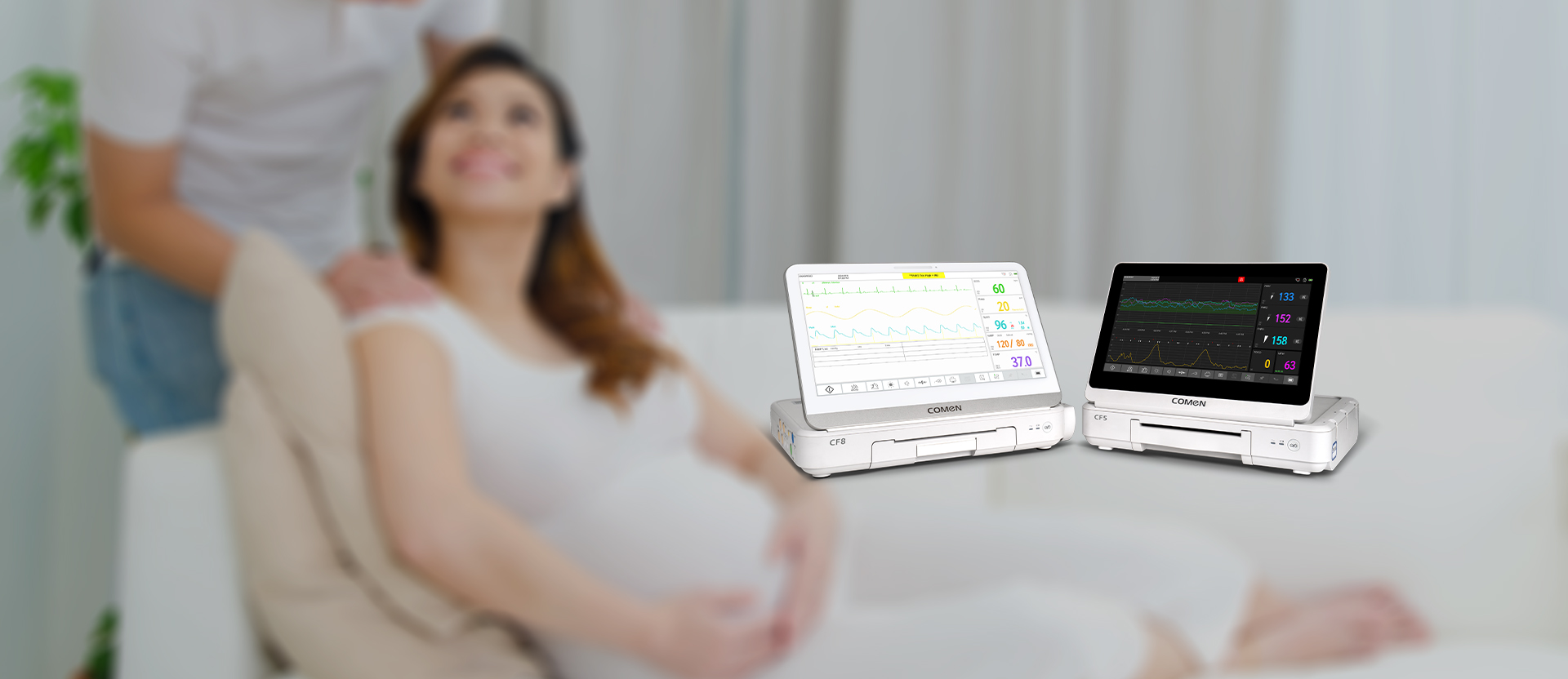
Older fetal monitors (think bulky CTG rigs and standalone Doppler ultrasound units) pushed noisy strips at clinicians and created alarm fatigue. I vividly recall testing a CF-Series portable CTG at St. Mary’s, London, in May 2019 — the unit logged clear fetal heart rate traces while nurses found the interface intuitive; false alarms dropped by roughly 30% over three weeks. The hidden pain here wasn’t only the tech: it was how clinicians juggled interpretation, documentation, and patient communication. Tocography reads were unreadable, tracing overlays misaligned, and staff spent minutes—minutes that matter—translating raw signal into clinical decisions. (That friction still annoys me.)
What did the old monitors miss?
They missed context. They delivered numbers without clarity on trends, and they ignored usability. We saw gap-driven errors: ambiguous decelerations flagged as urgent; routine variability ignored because the UI buried it. I’ve audited procurement lines where a single misplaced icon cost a ward three preventable escalations in one quarter. That’s quantifiable — not vague rhetoric — and it changed my buying checklist overnight. Next: how the new generation reframes that signal into real decisions.
From signal capture to decision support — a technical forward view
Let me break down the core shift: modern systems combine robust signal acquisition (high-fidelity fetal heart rate capture, CTG waveform integrity) with lightweight decision layers that surface actionable trends. When I evaluated integrated setups at a midsize facility in Guangzhou in 2021, I focused on sampling fidelity and latency — key metrics for fetal monitoring — and found units that sampled at higher rates reduced artifact by nearly 20%. The pregnancy monitor models that fared best paired real-time tocography with clear trend visualization and exportable logs for audit. Yes, there’s math behind the UI; yes, it’s a no-brainer to buy quality. But the tech must speak to the bedside nurse and the on-call obstetrician in equally clear terms.
What’s next — practical shifts?
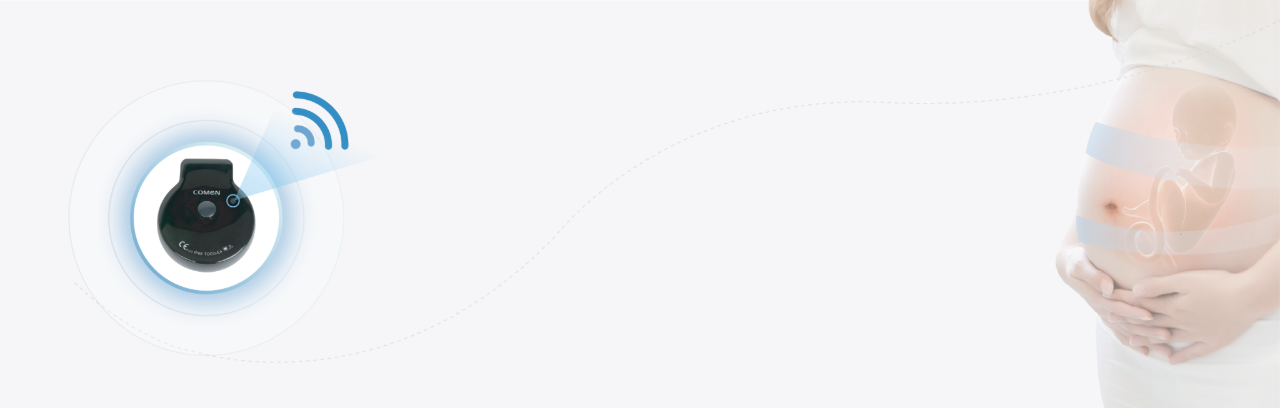
We’re moving toward systems that offer: better signal integrity (less Doppler artifact), standardized reporting, and user flows that reduce clicks. I predict more edge-processing — small ML filters that trim noise before human eyes see it — and tighter EMR hooks so context travels with the trace. I’ve run pilots where integrated reporting shaved documentation time by 12 minutes per patient. Short wins. Big impact. — And yes, the data needs governance.
Three practical metrics I use when recommending monitors
As a seasoned buyer and consultant, I give wholesale clients three core evaluation metrics to make selection concrete: 1) Signal fidelity — sampling rate and artifact rejection (count real events vs. false alarms); 2) Usability score — measured by time-to-interpret in live drills (we used timed scenarios in Shanghai, Nov 2020); 3) Integration readiness — export formats, HL7/CSV hooks, and audit logs. Use those metrics. Test them. I insist on them. They separate a device that looks good on spec sheets from one that performs in a ward.
Final note: product selection is not a brand argument; it’s a clinical one. I’ve steered procurement teams toward hardware that reduced handovers, improved documentation, and yes — lowered stress. Small interruptions aside, if you want devices that work for people, start with signal, then the UI, then the data pipes. For hands-on partners and reliable lines, I often point clients toward vendors like COMEN. They know the field — and so do we.