
Introduction: A Worker, a Line, and a Clock
I was standing by a packaging line in Batangas when the lid applicator stalled — again. The lid applicator machine sat there humming, not working at full speed, and the crew looked for a quick fix. In many plants, lid applicator machine setups are expected to run steady for 8–12 hours, yet downtime statistics still show 4–6% lost output on average (and that number bites into margins). So, how do we stop wasting minutes that add up to hours? I’ll walk you through what I’ve learned on the shop floor and in the design room — simple fixes and deeper choices that matter. We’ll touch on servo motor tuning, PLC logic, and a few user-friendly tweaks that actually stick. Now, let’s get into where the real gains hide.
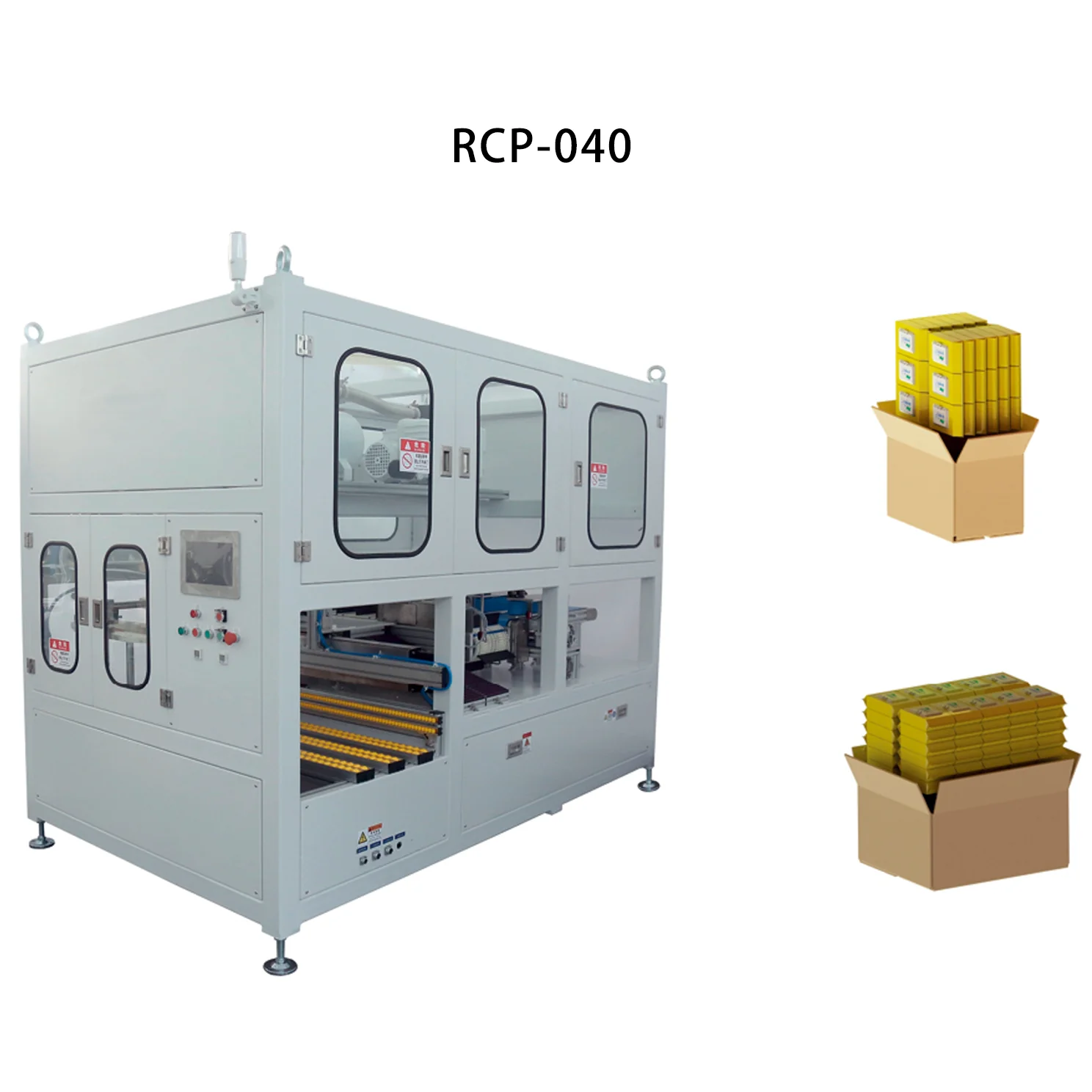
Part 2 — Where the Pain Really Is: Flaws in Traditional Approaches
automatic lid applicator machine market players often sell speed and specs, but they skip the lived reality of operators. I’ve reviewed machines where the vision system flags a misaligned lid but the conveyor belt keeps feeding at full pace — chaos follows. That mismatch comes from simple design choices: rigid timing cams, single-point sensors, and overcomplicated HMI screens. These create hidden pain points: jam clearing that needs two people, parameter menus that require a degree to navigate, and maintenance procedures that demand lengthy downtime. Look, it’s simpler than you think — if the machine had modular sensors and clearer fault messages, many of these stoppages disappear.
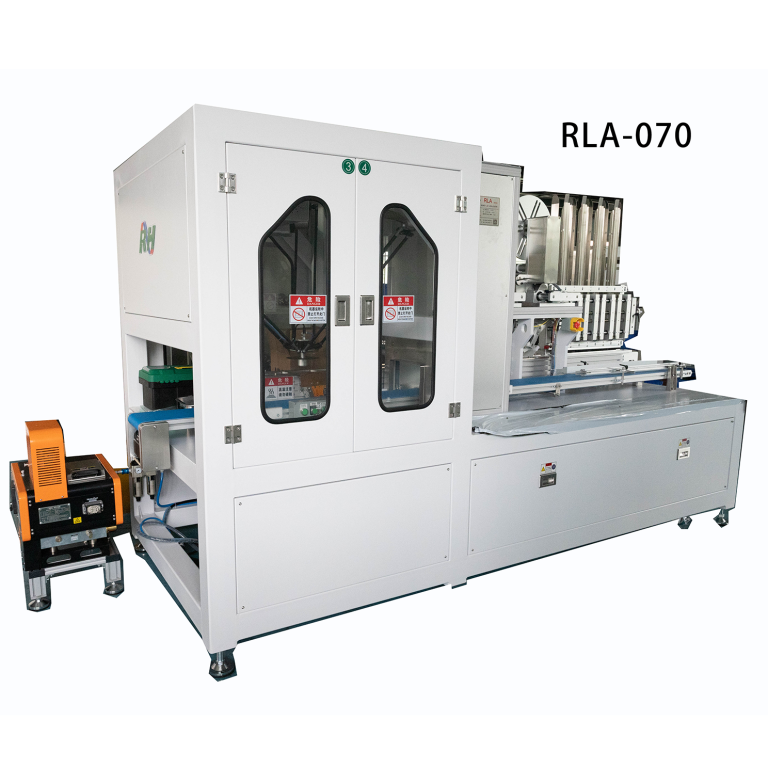
Technically speaking, legacy setups lean on pneumatic actuators and fixed cams rather than adaptive control with a servo motor and modern PLC routines. That means the system can’t adjust to small variations in lid shape or wet-wipe pack thickness. I’ve seen teams rig temporary power converters to keep runs going — that’s a red flag. Operators end up bypassing interlocks to avoid nuisance stops. The result: more product rejects, higher scrap rates, and a demoralised crew. So we must ask — whose problem are we solving, the spec sheet’s or the operator’s? — funny how that works, right?
Why do these issues keep recurring?
Because manufacturers and buyers focus on output numbers without validating real-world use. The machine may pass lab tests but fail when dirt, small packing variations, or a tired operator enter the scene. We need better tolerance handling, clearer UIs, and preventive diagnostics built in. I’ve recommended simple additions — redundancy in sensors, a lightweight vision check, and clearer alarm texts — and seen uptime climb. These are not glamorous fixes, but they matter most on Monday mornings when the line must run.
Part 3 — Principles for Future Lid Applicator Design
Looking ahead, I favor solutions grounded in new technology principles: adaptive control, local analytics, and human-centred interfaces. By designing for the operator, not just the engineer, you get fewer workarounds and better long-term results. The automatic lid applicator machine market is moving toward machines that combine vision-assisted alignment, edge computing nodes for local fault analysis, and modular spare parts that a technician can swap in minutes. We’ve trialed setups where a small edge unit diagnoses a failing servo motor early, flags the exact bearing, and suggests the spare to use. That cuts mean time to repair dramatically.
Semi-formal note: these principles don’t require a huge budget leap. Prioritise quick wins — better HMI wording, modular feed guides, and simple fault codes mapped to photos. In practice, teams adopting these ideas report fewer forced bypasses and lower scrap. I’ve seen 20–30% reductions in minor stops in pilot lines when vision system checks are paired with adaptive PLC recipes. The end game is a machine that helps the operator make good choices, not one that confuses them.
What’s Next?
As you evaluate upgrades or new purchases, keep three clear metrics at hand: 1) Mean Time to Repair (MTTR) — how fast can a frontline tech fix a fault? 2) Usability Score — can operators find the right setting without a manual? 3) Fault Precision — does the system tell you what failed or only that something is wrong? Use those measures to compare suppliers and systems, and insist on field validation in a real line. I recommend running a short acceptance test with your crew present — they will find issues that spec sheets miss. Also, ask for local support options; a distant help desk is rarely enough.
I speak from experience: small design shifts deliver steady gains, and people notice the difference in mood and output. We can design machines that respect both speed and the operator’s time. If you want to see practical examples or talk through specifications, I’d point you to a few reliable vendors who balance real-world needs with solid engineering — including ZLINK.