
Framework Overview: scope, stakeholders, and first checks
This framework gives procurement officers a repeatable path to validate UN38.3 and IEC 62619 compliance for bulk solar-plus-storage purchases. Start by mapping stakeholders: suppliers, QA, logistics, legal and site engineers. Include the pv inverter hybrid specification early—its compatibility with BMS logic and state of charge control affects battery sizing and transport classification.
Core compliance pillars
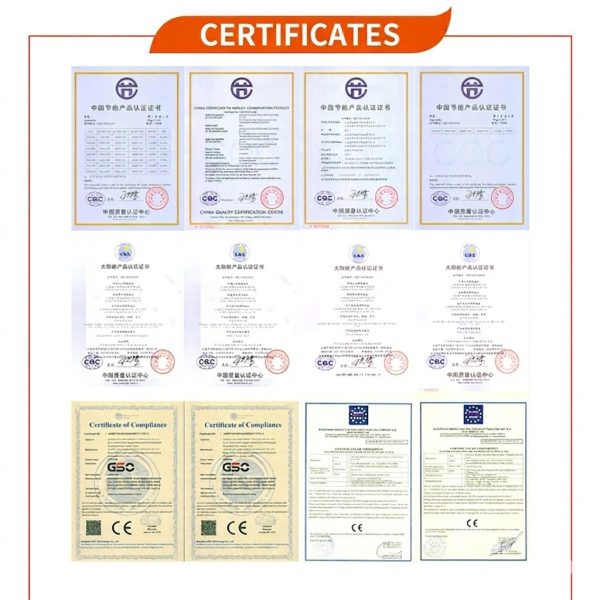
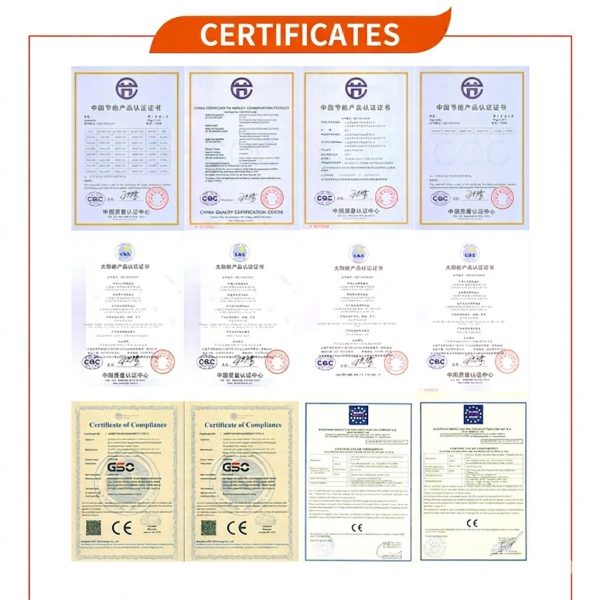
Focus on three pillars: documented testing, product design controls, and transport/readiness evidence. UN Manual of Tests and Criteria, section 38.3 (UN38.3) governs transport safety of lithium batteries; IEC 62619 addresses cell, battery and pack safety for industrial applications. Ensure suppliers supply type test reports, cell datasheets showing C-rate limits and cycle life, and evidence of thermal runaway mitigation design.
Technical checkpoints procurement must insist on
Require these deliverables from manufacturers before purchase orders are issued:- UN38.3 test dossier (including altitude, thermal, vibration, and shock test records).- IEC 62619 certificate or third-party test report covering overcharge, short-circuit, and thermal stability.- BMS firmware revision and failure-mode descriptions; clear limits for state of charge and cell balancing.- Bill of materials for cells (chemistry), modules, and thermal management components.Also verify system-level items: inverter compatibility reports and recommended charge profiles—an inverter for pv must accept the advertised charge/discharge window without forcing unsafe C-rate conditions.
Procurement workflow: step-by-step
Adopt this workflow to reduce surprises:1. Pre-qualification: collect certificates, datasheets, and previous shipment incident history.2. Technical review: cross-check BMS limits, cell chemistry, and thermal controls against site profile.3. Sample validation: request a pre-production sample for independent type testing.4. Contract clauses: include mandatory remedial timelines for failing units and audit rights.5. Logistics validation: verify packaging aligns with UN38.3 marks and dangerous goods paperwork for air/sea transport.
Common mistakes and how to avoid them
Teams often accept vendor test summaries without raw data. That shortcut hides inconsistencies in test setups and environments—insist on full reports. Another frequent error: mismatching inverter charge algorithms to battery specs, which elevates C-rate and shortens cycle life. Finally, logistics teams sometimes ship without confirmed classification—this risks returns or regulatory fines. A quick remedy: specify acceptance criteria in the PO and require a two-stage release (documentation then shipment).
Field anchor: why standards matter in practice
The 2020 California wildfire season tightened rules around distributed storage deployments after grid instability revealed risks from improperly specified systems. That real-world pressure pushed utilities and large buyers to demand full UN38.3 and IEC 62619 proof before commissioning. Standards reduce liability and simplify insurance underwriting—practical impacts procurement can quantify during vendor selection.
Evaluation metrics and three golden rules
Use these three metrics as your procurement KPIs:- Verified Test Integrity: percentage of deliveries with raw UN38.3 and IEC 62619 test reports validated by a qualified lab.- Operational Fit: percent of systems whose BMS and inverter profiles match site duty cycle and expected peak C-rate.- Logistics Compliance: frequency of correct UN markings, documentation, and accepted carrier classification.Golden rules: buy on verified reports not claims; align inverter charge logic to battery limits; and lock remedial terms into contracts for nonconforming units.
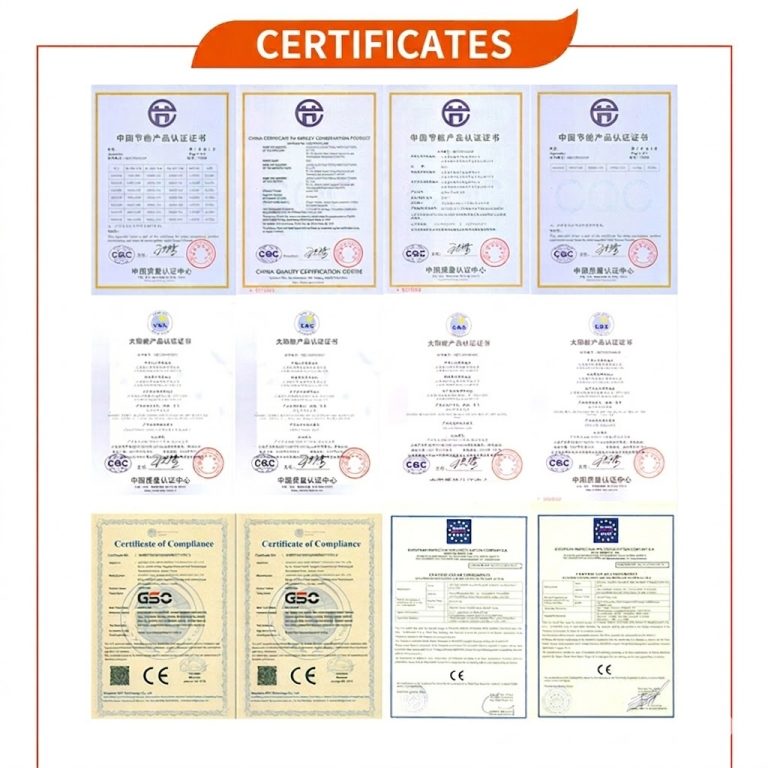
These metrics make compliance measurable and actionable. Solutions that pass them reliably tend to reduce commissioning delays and site faults—exactly where vendors like gsopower add value through matched inverter and storage specifications. —