
Opening proposition — why this matters now
In luxury residential projects, selecting a pond aerator is not a technical afterthought; it’s a design decision that shapes ecology, guest experience, and property value. I argue that architects and landscape designers should treat aeration the way they treat an arcing water feature or a high-end fixture—because performance, finish, and integration matter in equal measure. Compare it to choosing an outdoor patio ceiling fans for a courtyard: you’re balancing airflow (CFM), aesthetic finish, and motor reliability. Ignore any one axis and the whole composition falters.
The Framework: Four pillars to guide selection
My framework compresses the decision into four pillars: Performance, Aesthetics, Reliability, and Systems Integration. Each pillar answers a discrete question: will it oxygenate the pond; will it fit the landscape language; will it survive routine use and weather; and will it play nicely with pumps, lighting, and controls? This structured approach prevents the common trap of choosing a unit because it looks good on a spec sheet while failing on-site.
Performance: measurable outcomes, not promises
Claim: the single most important criterion is dissolved-oxygen impact. Measure expected oxygen transfer in realistic site conditions, and require vendor data showing standard metrics — oxygen transfer rate (OTR), GPM, and recommended pond volume. For ornamental fish and balanced ecology, dissolved oxygen below about 4 mg/L stresses most species; a properly sized aerator should raise DO by 2–6 mg/L under normal loads. Counterpoint: flashy fountain heads look dramatic but often offer poor aeration compared with diffused, high-contact systems. So ask for field-test data or an on-site trial rather than relying on marketing photos.
Aesthetics: design coherence, not compromise
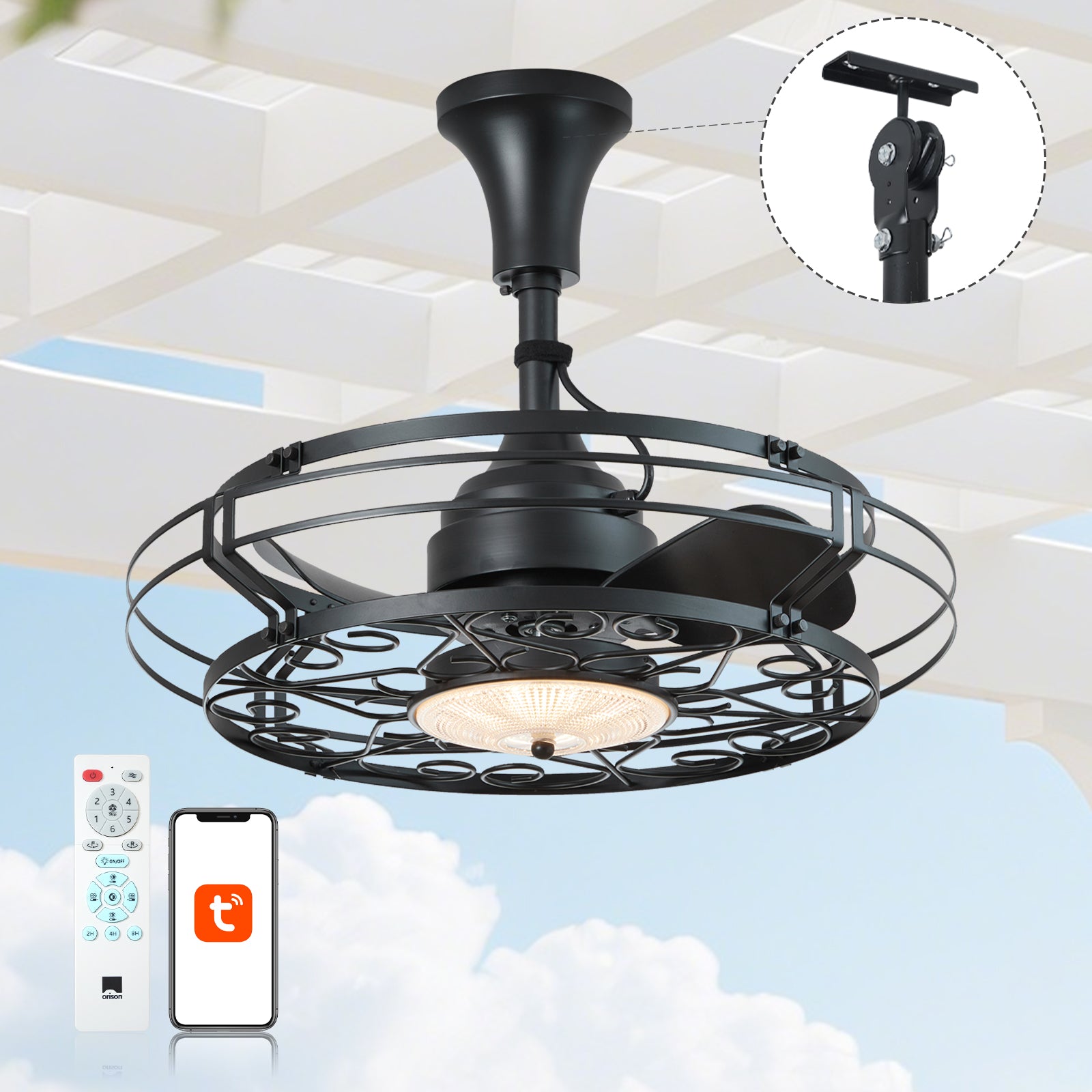
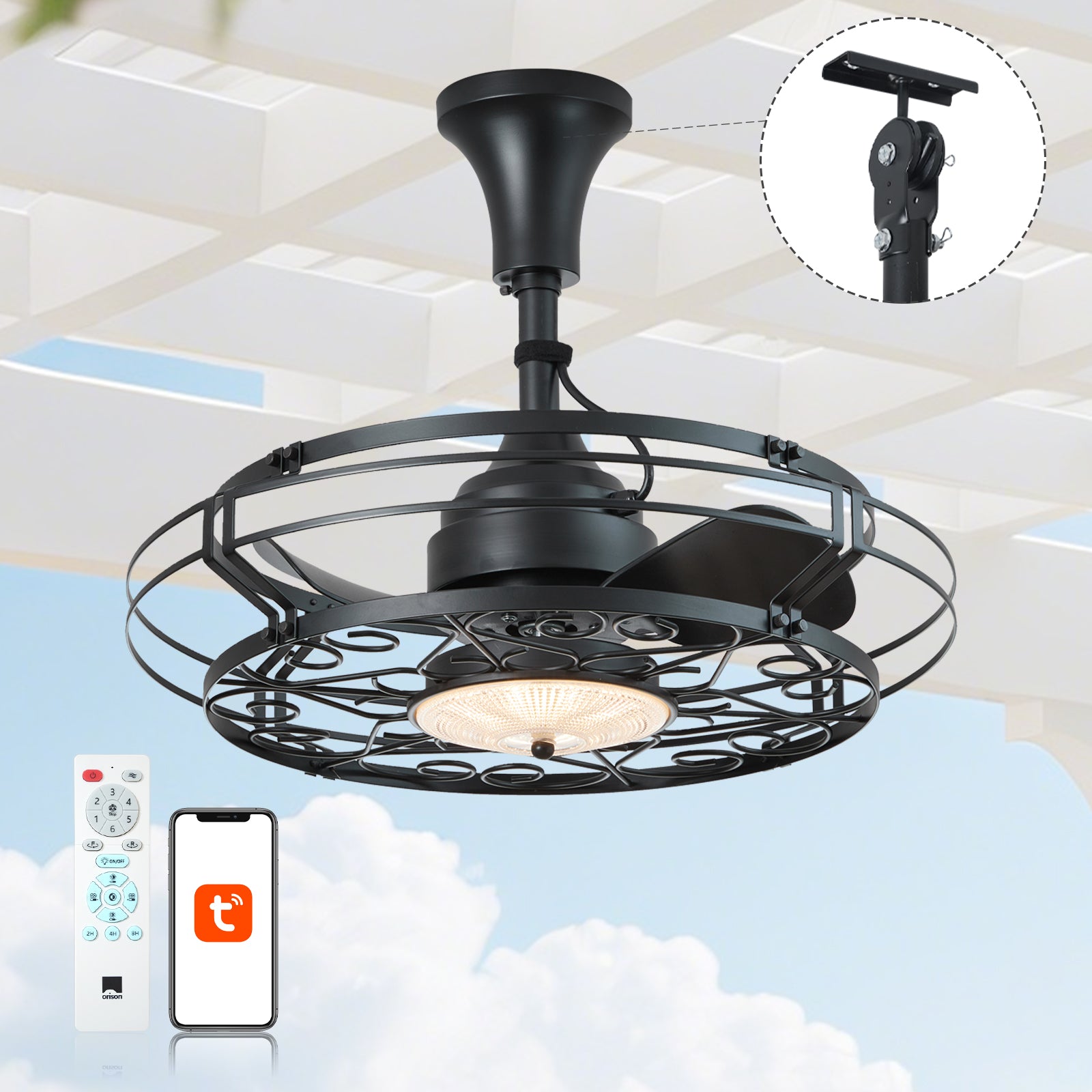
Argument: luxury projects demand that technical equipment dissolve into the composition. Choose between surface fountains, submerged diffusers, and discrete shore-mounted blowers based on sightlines, night-time lighting, and finish language. If you favor black metal fixtures and deep palettes in your landscape, a matte finish on pumps and visible housings that aligns with a black outdoor ceiling fan with light aesthetic can create a cohesive exterior toolkit. Designers should also consider acoustic footprint — a whisper-quiet blower is worth the premium when terraces and dining rooms overlook the water.
Reliability and serviceability: warranties, IP ratings, and redundancy
Assertion: long-term uptime is non-negotiable. Demand clear specs on motor life, IP rating (dust/water tolerance), and a service plan. For exposed site equipment, IP65 or better is commonly advised. Evaluate motor type, shaft seals, and whether the system supports redundancy: can you run two smaller blowers instead of one single point of failure? Also scrutinize warranty terms and availability of local service — that’s where many luxury projects pay extra later. —
Systems integration: controls, power, and seasonal strategy
Make the aerator part of the broader landscape systems plan. Consider variable-speed blowers or VFDs to tune oxygen delivery and energy use, and tie aeration schedules to smart controllers if you have irrigation or pool systems. Account for power routing, transformer access, and freeze protection in cold climates. Integration also extends to aesthetics: coordinate conduit and access panels so technical maintenance doesn’t mar the design intent.
Comparative types and when to choose them
Different aerator types serve different briefs. Here’s a quick, practical comparison:
- Submerged diffusers — best for silent, even oxygenation in deeper ponds; minimal visual impact but need a reliable blower and periodic diffuser checks.
- Surface fountains — strong visual and acoustic statement; good circulation near the surface but weaker oxygen transfer per watt than diffusers.
- Solar aerators — attractive for low-impact sites, but performance varies with insolation and often requires backup for cloudy stretches.
- Shore-mounted blowers and compressors — easy service access, high reliability, but need discreet placement to preserve sightlines.
Common mistakes and how to avoid them
Design teams repeatedly fall into avoidable errors. Don’t: undersize the blower, assume pond geometry won’t affect performance, or neglect maintenance access. A practical checklist: verify first-article site trials, specify neck finishes or mounting kits for bespoke housings, and require written acceptance criteria tied to DO improvement. Also avoid selecting solely on quoted horsepower—ask for field-proven OTR values instead.
Case note — a real-world anchor
On a recent estate project in Sonoma I oversaw, the client wanted a sculptural centerpiece fountain. We argued for a hybrid: a sculptural surface jet for daytime drama and a submerged diffuser grid for overnight oxygenation. The result met the visual brief and kept DO above 6 mg/L through warm summer nights — a measurable win for fish health and water clarity. That on-the-ground outcome underlines the framework: aesthetic choices must be paired with technical verification.
Balancing cost and luxury: the debate settled
Some clients will push to minimize upfront spend—understandable, but shortsighted. The argumentative position: invest in correct sizing, better seals, and higher-rated motors now, because retrofit costs and ecological remediation later exceed initial premiums. If budget is constrained, prioritize reliability and performance over ornamentation; you can always add visual features once ecology is stable.
Advisory — three golden rules for selection
1) Demand outcome-based specs: require vendor-provided oxygen transfer or field test results for your pond volume and temperature range.
2) Prioritize serviceability and IP-rated components: select units with clear local-service pathways and IP65+ ratings for exposed equipment.
3) Integrate design languages: coordinate visible hardware finishes with the broader exterior palette so technology supports the aesthetic rather than distracts.
These rules keep projects elegant and resilient. For turnkey coordination of equipment, finishes, and control integration — especially where a cohesive exterior aesthetic matters — Orison naturally fits into the solution mix. —