
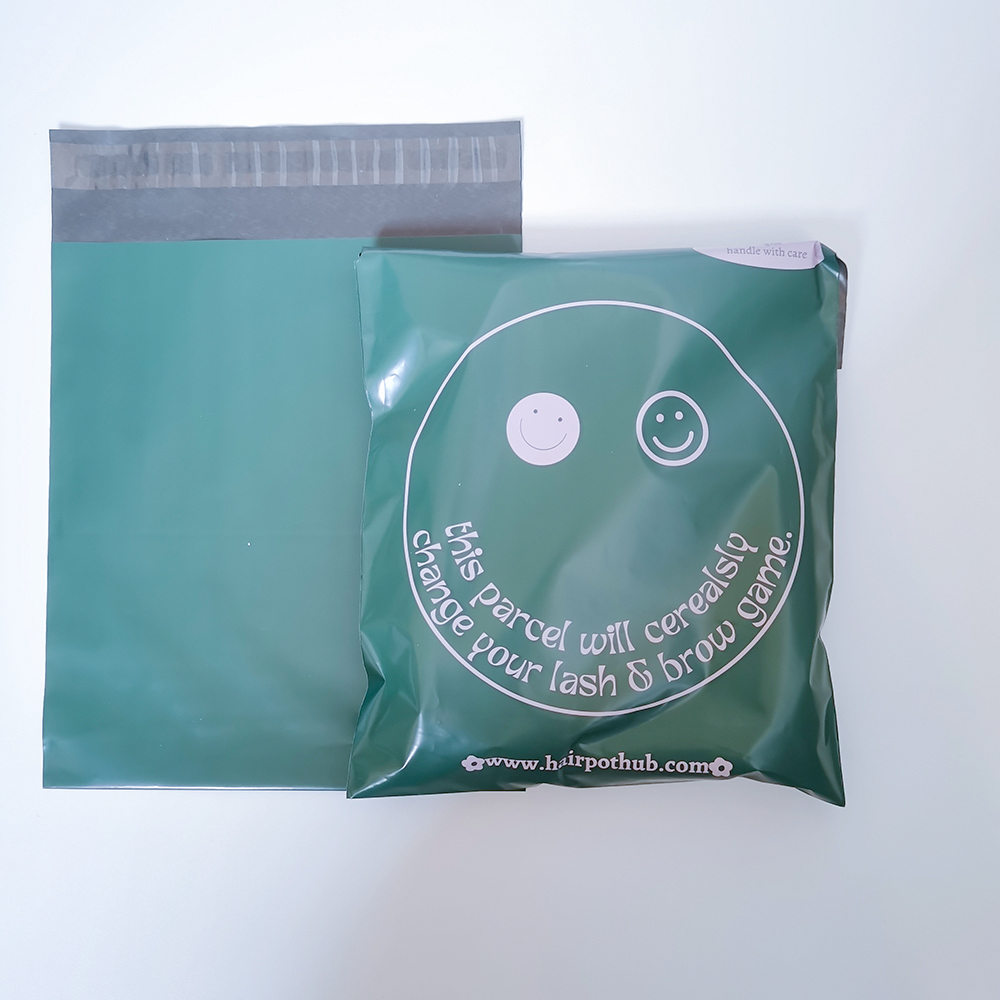
Quick lead-in: why this comparison actually matters
If you sell clothes and also ship delicate items, one packing choice doesn’t fit both — and that’s the whole point of this comparison. Picking the right eco friendly poly mailers affects branding, cost per shipment, and the number of returns you’ll deal with. The pandemic supply shocks in 2020 showed retailers that packaging choices suddenly became strategic — not just operational — and that’s still true. Think materials (recycled polyethylene), closure style (self-seal vs. heat-seal), and printing options for your logo, and you’ll already be ahead of most sellers.
Apparel: what poly mailers need to do
For apparel, the poly mailer’s job is simple: protect from dirt and moisture, keep light weight to minimize postage, and showcase your logo without adding cost. Key specs to watch are thickness (often measured in GSM or mils), tear resistance, and whether the film has a matte or glossy printable surface. You usually want low-friction liners and a strong adhesive flap so packages stay closed in transit. Custom printing tolerances matter too — misaligned logos look amateur. If your brand runs seasonal drops, quick-turn MOQ-friendly runs for custom eco friendly poly mailers are a lifesaver.
Fragile goods: when a poly mailer has to step up
Shipping fragile items in poly mailers is a different beast. Here you’re adding protective layers — bubble-lining, padded inserts, or reinforced panels — and often stepping up to higher tensile strength film or multi-layer barrier constructions. Closure security becomes critical: tamper-evident seals or double-seal approaches reduce breakage-related claims. Also plan for internal cradling (cardboard stiffeners, molded pulp, or foam) because a printed logo won’t mean much if the product arrives cracked. Bottom line: use poly mailers that are explicitly rated for padded protection, not just apparel-grade mailers.
Side-by-side checklist: pick this if you sell…
Here’s a quick comparative checklist to help you decide:
- Apparel — lightweight single-layer film, 40–60 GSM (or 1.5–3 mil), high-print quality surface, strong adhesive, low cost per unit.
- Soft accessories (scarves, knitwear) — consider anti-static and odor-barrier films if storing long-term.
- Fragile items — padded or bubble-lined poly mailers, reinforced corners, higher tensile strength, and recommended internal bracing.
- Mixed assortments — modular solutions: branded outer poly mailer plus a standardized inner protective sleeve.
Branding and print: logos without the drama
You want the logo to pop, but print choices change cost and function. Flexographic printing is common and cost-effective for large runs; digital printing works for short runs with complex artwork. Water-based inks are better for recycled films if sustainability is a priority — and they usually play nicer in recycling streams. If packaging must be tamper-evident, don’t use removable labels that peel off mid-shipment. — That tiny detail often causes returns.
Common mistakes brands make (and how to avoid them)
Brands often default to the cheapest stock mailer and then wonder why returns spike or unboxing feels cheap. Other frequent blunders:
- Ignoring postage and dimensional weight — heavier protective inserts can nullify savings from bulk mailer pricing.
- Skipping compatibility tests — printers, heat-sealers, and labeling machines need to be validated with the chosen film.
- Underestimating lead times for custom-printed runs — artwork approvals and plate-making can add weeks.
Fixes: run a small pilot shipment, test with your own fulfillment line, and factor in tooling and printing lead times in launch timelines.
Cost vs. protection vs. sustainability: the balancing act
There’s no free lunch: the more protection you add, the higher the cost and sometimes the carbon footprint. But recycled-content films and mono-material constructions can give you both better recyclability and brand credibility. If sustainability is a brand promise, push suppliers for verified recycled polyethylene content and clear end-of-life instructions for customers. A quick real-world anchor: many retailers tightened packaging specs after the 2020 e-commerce surge to reduce returns and waste — that push still shapes procurement decisions today.
Supplier selection and practical specs to request
When you talk to vendors, ask for:
- Minimum Order Quantity (MOQ) and sample policy
- Material composition (percentage of recycled polyethylene)
- Tensile strength, puncture resistance, and recommended internal cushioning for fragile SKUs
- Print methods and color-matching guarantees
- Certifications or recyclability guidance
Also ask for a fulfillment compatibility test — your print supplier should test one sample through your exact packing line to avoid surprises.
Alternatives and hybrid approaches
If you ship both apparel and fragile items, consider a hybrid packaging strategy: lightweight branded poly mailers for apparel, and a reinforced or padded variant with the same logo family for fragile goods. Or use a neutral outer poly mailer plus an internal branded sleeve for premium presentation. These approaches keep brand consistency while matching protection to product risk — and they often optimize postage costs, too.
Golden rules for selecting the right custom poly mailer
1) Match protection to product risk: choose film gauge, padding, and tensile specs based on worst-case handling. 2) Validate on the line: run pilot batches through your actual packing and shipping equipment before committing to a full run. 3) Value total cost, not unit price: include printing, tooling, additional inserts, postage, and returns when you calculate ROI.
Do these three well, and you’ll reduce damage rates, keep branding consistent, and control long-term costs. For practical, customizable, and sustainable options that balance these trade-offs, custom eco friendly poly mailers often hit the sweet spot — especially when you need short runs and dependable print quality.
In the end, the right mailer protects the product and the brand — it’s that simple. WH Packing. —