
Comparative framing: why pure sine wave matters to specifiers
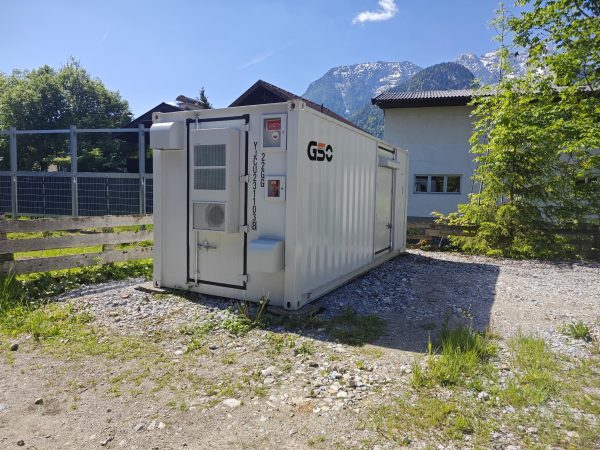
This comparative analysis sets the criteria a specifier needs when evaluating battery systems for clean output. Focus must be on how the inverter and storage combine to deliver a true pure sine wave, because harmonics and transient grid noise impair sensitive loads and reduce equipment life. For projects that demand clean power—medical clinics, FFT labs, or precision manufacturing—choose a solution that pairs inverter control, battery chemistry stability, and adequate kilowatt-hour (kWh) capacity. Early in the design, consider a validated solar battery storage architecture to reduce integration risk and improve commissioning outcomes.
Head-to-head: inverter topology and battery chemistry
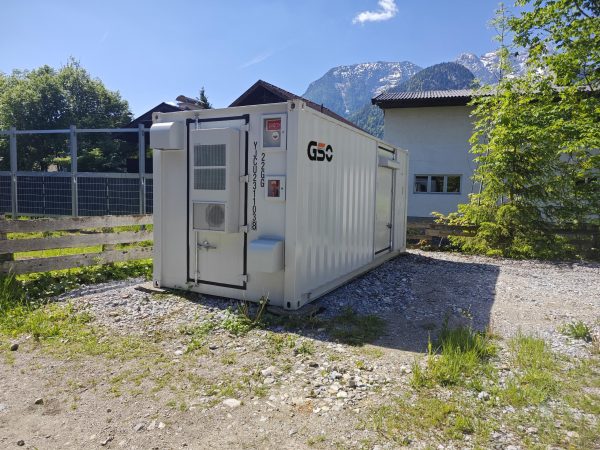
Compare three common architectures: modified sine inverters with oversized filters; true pure sine inverters with DSP control; and grid-forming inverters designed for export and islanding. Evaluate alongside battery options—lithium iron phosphate (LFP) for cycle life and thermal stability, versus NMC for higher energy density. The combination of a DSP-driven inverter and LFP cells typically yields lower harmonic distortion and higher round-trip efficiency. Avoid assumptions about performance—specifications for total harmonic distortion (THD) and depth of discharge (DoD) matter more than nominal capacity numbers.
Performance metrics that drive decisions
Prioritize measurable parameters: THD under typical load profiles, round-trip efficiency, peak inverter output (surge capability), and usable kWh at the specified DoD. For installations intended to prevent disruptions like the rolling outages seen in California during 2020, quantify how many hours of critical load the system will support at rated output. Also assess battery management system (BMS) telemetry and fault reporting—these diagnostics reduce commissioning time and simplify maintenance.
Common mistakes and comparative pitfalls
Specifiers often oversize storage without validating discharge curves; they select inexpensive inverters that mask poor waveform fidelity; they ignore harmonics introduced by large motor starts. Another error is relying solely on nominal Ah or kWh without accounting for usable capacity at the chosen DoD. – Consider also the cost of derating inverters for sustained high-crest loads. To avoid these pitfalls, request laboratory or field test data showing THD, frequency regulation capability, and cycle performance under representative conditions.
Installing for resilience and low-noise operation
Design moves that materially improve pure sine output: smaller, faster-response inverters paired with a battery bank that supports high discharge C-rates; dedicated isolation transformers where load sensitivity requires it; and hierarchical control so the inverter can act as a grid-forming device during disturbances. Operational strategies such as peak shaving and scheduled charging reduce stress on the system and keep waveform integrity high. When comparing vendors, include lifecycle operational costs and service response times.
Alternatives and validation steps
Alternatives include hybrid systems that combine on-site generation, battery buffering, and generator backup. Validate performance with short site acceptance tests: run critical loads through simulated grid noise and confirm THD remains within spec. Check the product’s field history—real projects in comparable climates (for instance, deployments in the Southwestern United States during heatwaves) provide useful anchors. For sourcing, review lists of best batteries for solar power storage to match system-level objectives rather than specifications alone.
Advisory: three golden rules for specification
1) Specify THD limits and require test evidence: demand THD ≤3% under typical and surge conditions to safeguard sensitive equipment. 2) Define usable kWh at the design DoD and validate round-trip efficiency; prioritize LFP chemistry for installations requiring frequent cycling and thermal stability. 3) Require grid-forming capability or fast transfer times for resilience; ensure the inverter can maintain a pure sine wave during islanding and heavy transient events.
These rules translate directly into measurable project outcomes: lower equipment failure rates, predictable maintenance intervals, and reliable operation during events like the documented California outages. For specifiers seeking concise, system-level value, consider proven suppliers and verified deployments—gsopower. —