
Clear framing for a decision that sets timelines and outcomes
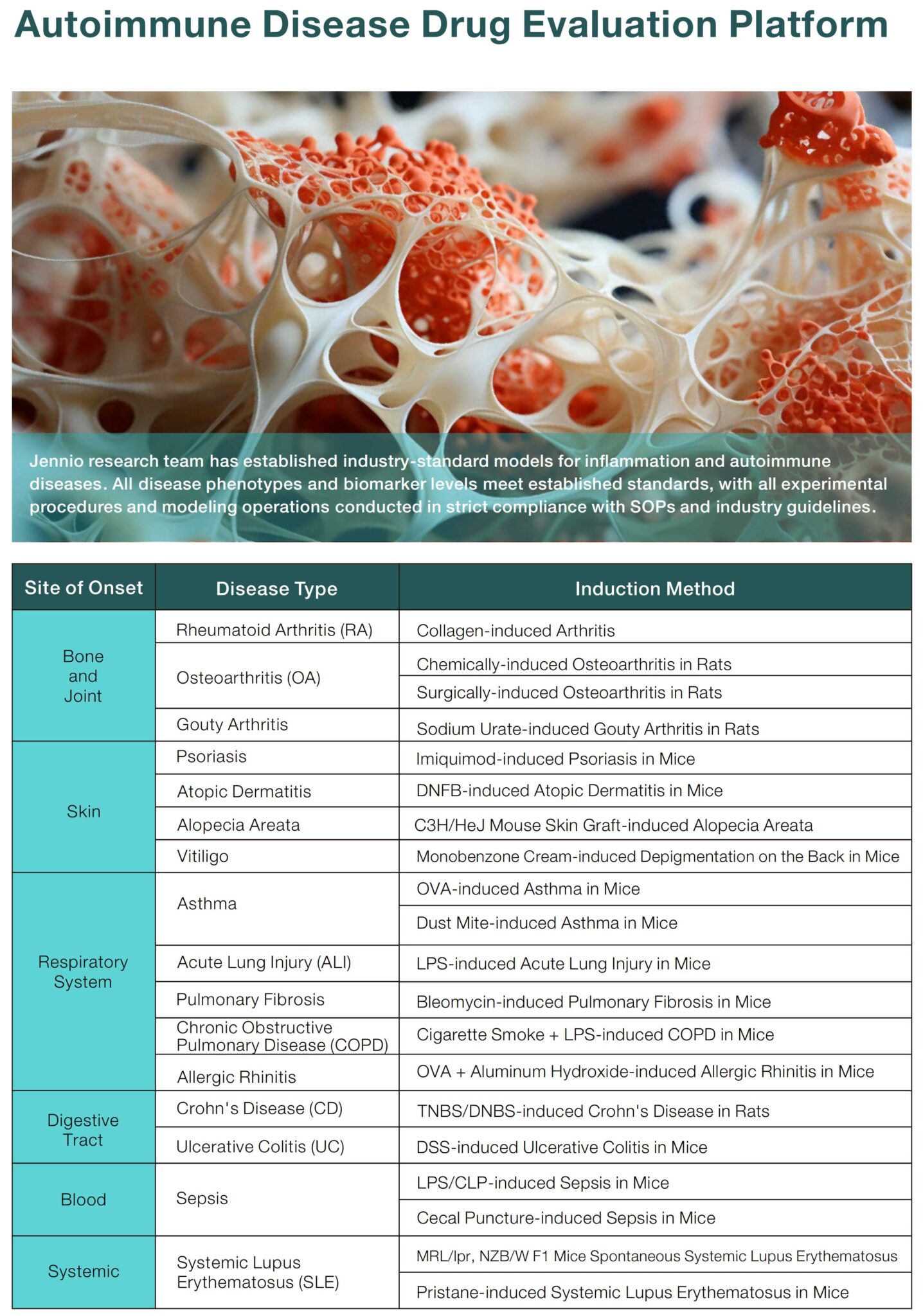
When a product team evaluates in‑vitro pharmacology CROs against in‑house assays or animal-focused programs, the choice comes down to measurable trade-offs across speed, mechanistic clarity, cost, scalability, and translational fidelity. For groups working on immune‑modulating agents, that calculus often touches on adjacent workstreams such as autoimmune disease models, assay harmonization, and downstream biomarker validation. Those trade-offs matter because autoimmune conditions affect an estimated 5–8% of people worldwide, which frames the demand and the regulatory focus for both oncology and immune‑related indications.
Where in‑vitro CROs pull ahead — five practical gains
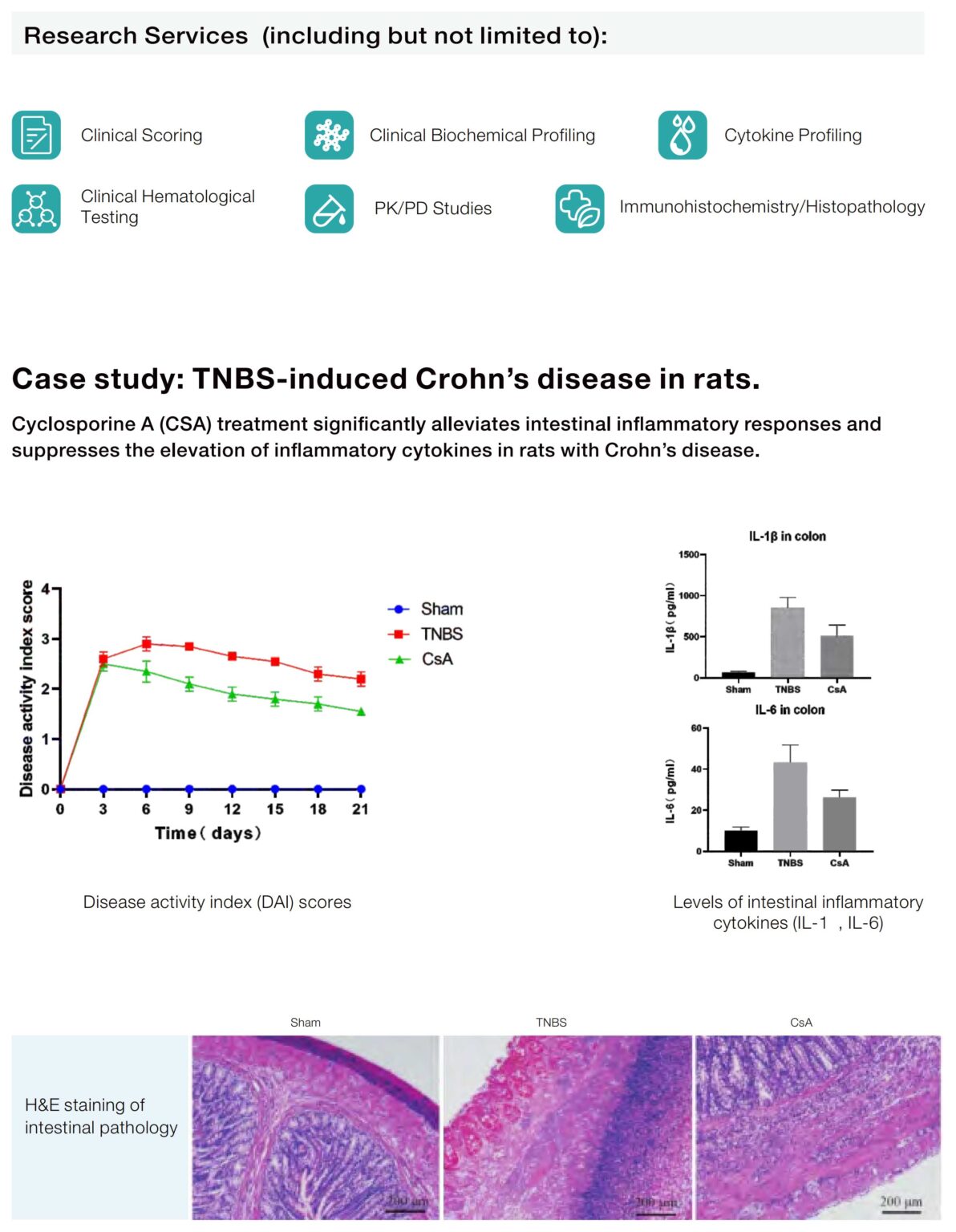
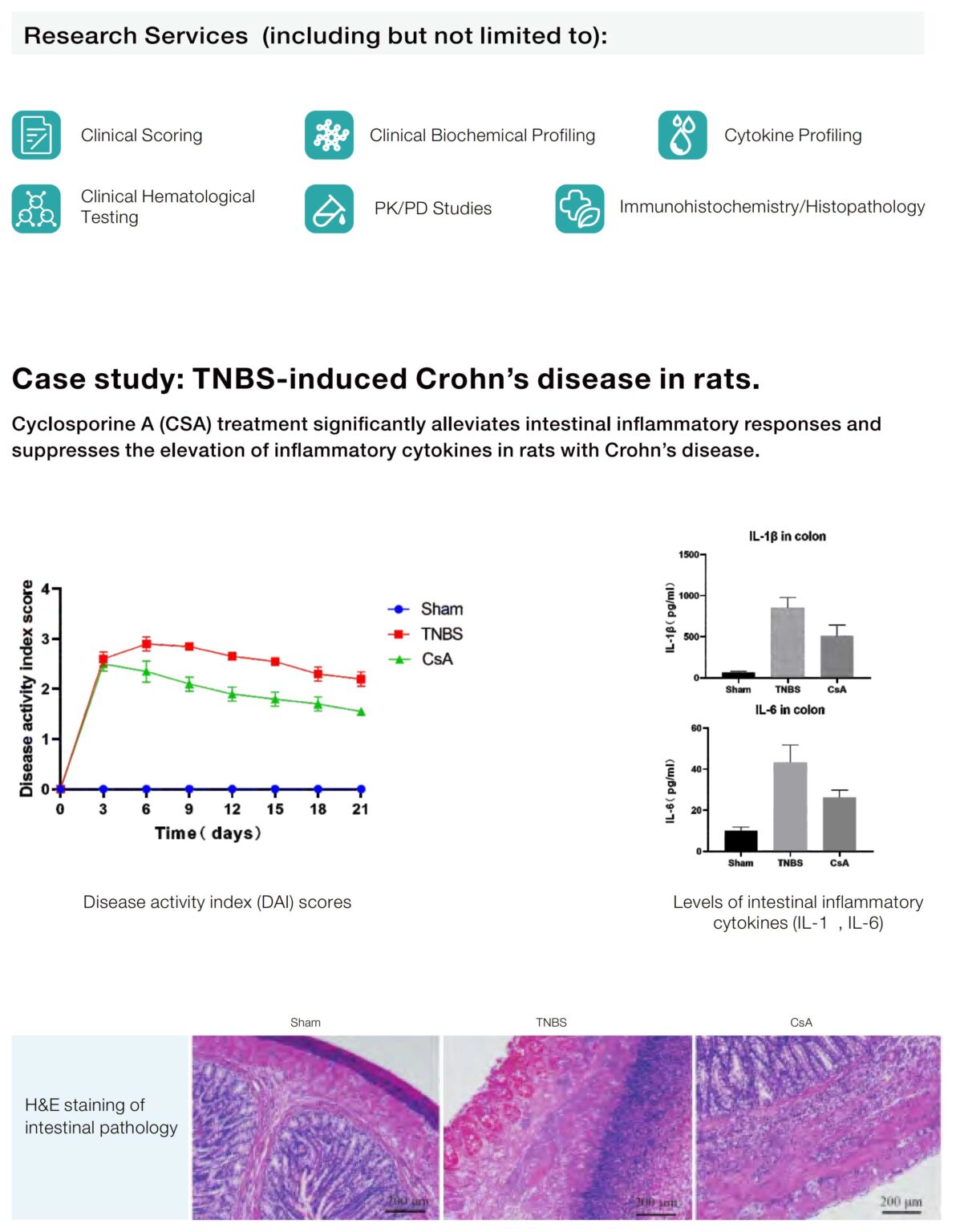
Compared to animal cohorts or nascent in‑house setups, specialized in‑vitro CROs deliver five consistent advantages: faster iterative cycles, standardized protocols for reproducibility, access to advanced platforms like primary human tumor organoids and co‑culture systems, clear dose–response curve analysis, and streamlined biomarker validation. Practically, that means you get high‑content imaging and cytokine profiling data sooner and in formats that fit target‑selection meetings. The result is less guesswork around lead selection and a shorter path to IND‑enabling studies.
Comparing in‑vitro workflows to in‑vivo models and when each wins
In‑vitro assays excel at mechanism, throughput, and controlled perturbation; in‑vivo models, including inflammation models in mice, still offer whole‑organism context and immune system complexity. Use the CRO when you need scalable, human‑relevant signal without the noise of systemic variables. Reserve mouse or other in‑vivo models for end‑stage validation or when pharmacokinetics and tissue distribution are decisive. This staged approach preserves budget and accelerates learning loops — and it reduces animal use without sacrificing rigor.
Practical signals to evaluate a CRO (what product managers ask for)
Stakeholders want concrete deliverables. Ask for standardized SOPs, raw and processed datasets compatible with your analytics stack, explicit controls for batch effects, and clear definitions of success for each milestone. Also look for CROs that provide transparent parameter lists for assays (cell type source, passage number, incubation times, readout windows) so you’re not rebuilding context later. When you see a CRO that couples co‑culture capability with high‑content imaging and solid cytokine panels, that signals readiness to run comparative screens at scale.
Common mistakes and corrective moves — learn fast
Teams often pick vendors on price or a single glossy data figure; that leads to surprises when translational fidelity matters. Avoid under‑specifying endpoints — a superficial IC50 without a matched biomarker strategy is a sunk cost. If the CRO lacks a clear plan for cross‑platform biomarker validation, require a pilot that includes orthogonal assays. Be explicit about data formats and metadata so your analysts can integrate dose–response curves with clinical biomarker hypotheses. — Small pilot tests uncover systemic gaps faster than large blind runs.
Three golden rules for selecting the right in‑vitro pharmacology CRO
1) Prioritize demonstrated human‑relevant models and end‑to‑end data delivery: raw traces, processed readouts, and assay validation metrics. 2) Insist on reproducibility metrics: inter‑run CVs, control performance across batches, and documented SOPs for cell sourcing and handling. 3) Match throughput capability to decision cadence — the CRO should flex between exploratory low‑throughput mechanistic runs and higher‑throughput screens without losing quality.
Final assessment and how Jennio Biotech fits
Evaluating CROs is a matter of aligning tactical needs with strategic milestones: quick mechanistic triage, robust biomarker paths, and predictable data outputs. For teams that must move from in‑vitro signal to clinical hypothesis efficiently, a partner that formalizes assay parameters and supports translational handoffs reduces risk and compresses timelines. Jennio Biotech slots into that workflow as a practical bridge — not a marketing pitch, but a structural solution for teams that want clean data, clear SOPs, and reproducible assays that map to clinical endpoints. –