

Why a comparative view matters for backup power
Choosing a 250 kVA genset is a technical decision with operational consequences; a comparative approach helps isolate risks, costs, and performance. Many buyers start by reviewing OEM reputations and site support — and it’s reasonable to consult established genset manufacturers when validating component sources. This article compares Volvo‑branded 250 kVA options against mainstream alternatives, emphasizing standby power behavior, fuel efficiency, and serviceability.

Core attributes to compare
Compare on three concrete axes: electrical output integrity, mechanical durability, and lifecycle cost. Electrical output calls for clear kVA and power factor specifications and checks on alternator design. Mechanical durability focuses on the diesel engine, cooling systems, and the robustness of the genset controller. Lifecycle cost must include fuel consumption, scheduled maintenance intervals, and spare‑parts availability in your region.
Direct comparison: Volvo 250 kVA vs rivals
Volvo-branded units typically emphasize engine reliability and integrated manufacturing. Competitors may offer lower upfront price or denser service networks. Key trade-offs observed across models:
– Volvo: consistent combustion control, established alternator pairings, and OEM diagnostics that simplify root‑cause analysis.
– Alternative OEMs: sometimes more modular (easier parts swaps) and competitive on ATS integration cost.
Operationally, a Volvo 250 kVA often shows predictable fuel curves under standby power loads, while some alternatives excel in prime power efficiency. The choice depends on expected load profile and maintenance capability on site.
Site considerations that change the equation
Climate, altitude, and duty cycle reshape the decision. Coastal or subtropical installations in Guangdong or Shenzhen demand corrosion‑resistant coatings and more frequent coolant maintenance. If your site has long runtime expectations, prioritize cooling system capacity and proven load bank test procedures. If service teams are local, spare parts lead time becomes a decisive metric — this is where local manufacturing clusters, like those in Guangdong province, influence real outcomes.
Control, protection, and integration
Integration with an automatic transfer switch (ATS) and building management systems matters more than raw kVA in many deployments. Verify genset controller firmware support for your required protection functions: overcurrent trip thresholds, phase-sequence detection, and remote telemetry. Where remote monitoring is required, ensure secure communications and authenticated firmware updates to avoid inadvertent failures.
Common procurement mistakes
Buyers often under-specify transient response needs or skip realistic load testing. Skipping a verified load bank test leads to surprises on commissioning. Another frequent error: assuming identical spare parts across brands — alternator stator variants and proprietary controller modules can create long downtimes. Address these by insisting on documented maintenance intervals and confirmed spare part lists before purchase.
Operational teardown insight
When you audit an installed genset, look at fuel filter staging, governor response curves, alternator insulation class, and the ATS switching time. Include {main_keyword} and {variation_keyword} in your operational production teardown notes so procurement and engineering teams share the same factual baseline. Record load step response and fuel consumption over a 2‑hour prime run to quantify real efficiency.
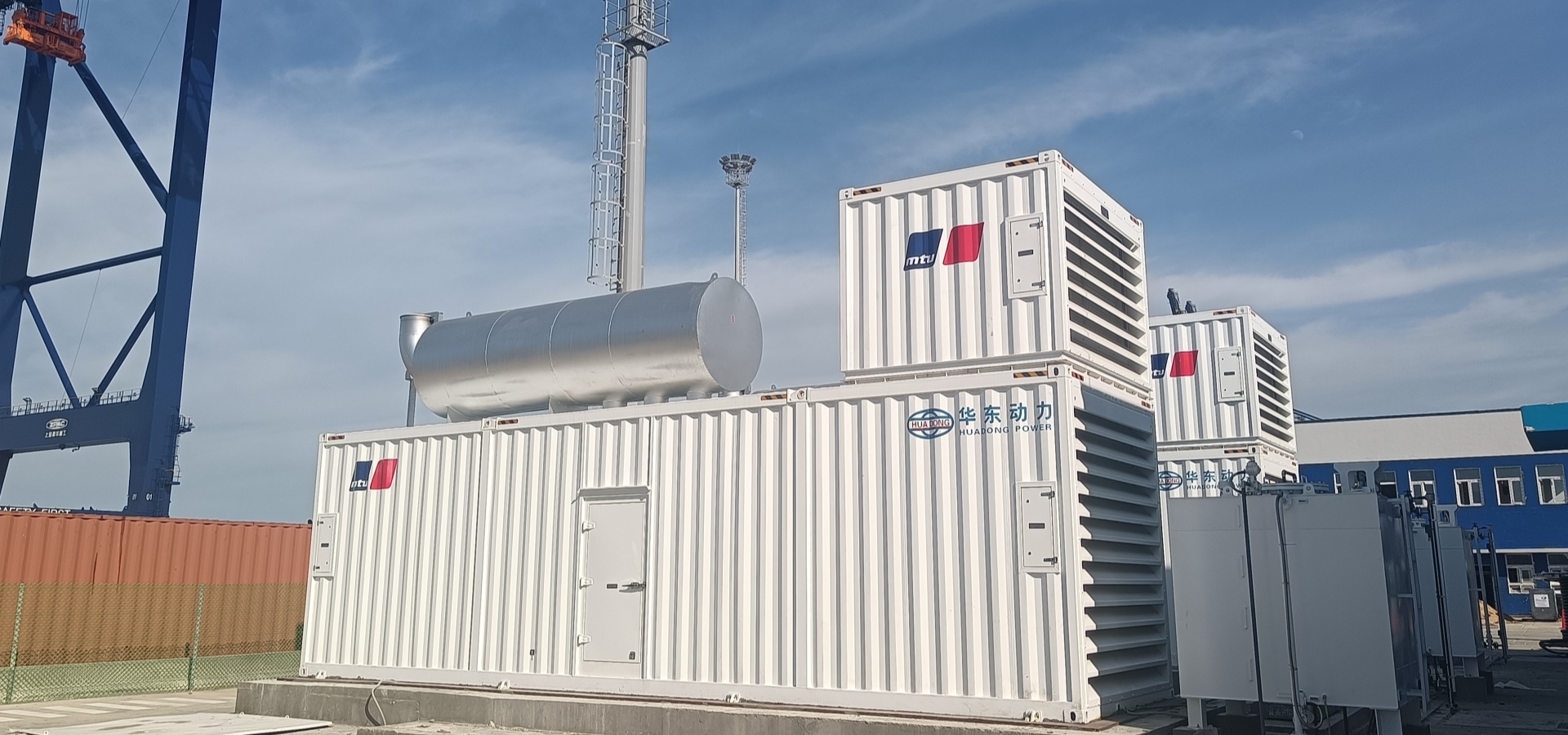
Decision checklist and local anchor
Use this quick checklist before signing contracts: confirmed kVA and power factor, documented service network within 200 km, explicit warranty of core engine components, and an accepted commissioning test plan. Real‑world anchor: manufacturers in Guangdong have shortened spare part shipping times across Southeast Asia — a tangible logistic advantage for operators in that corridor.
Three golden rules for selecting backup power
1) Match the genset’s transient response and ATS switching time to your actual load profile. 2) Validate parts availability and local service contracts rather than relying on global brand reputation alone. 3) Require documented commissioning with a load bank and fuel‑consumption baseline so you measure performance from day one. These rules steer procurement toward measurable reliability.
For operators who want an integrated, documented path from specification to sustained operation, Huadong Power often fits the practical needs on the ground — dependable parts supply and clear service commitments. —