
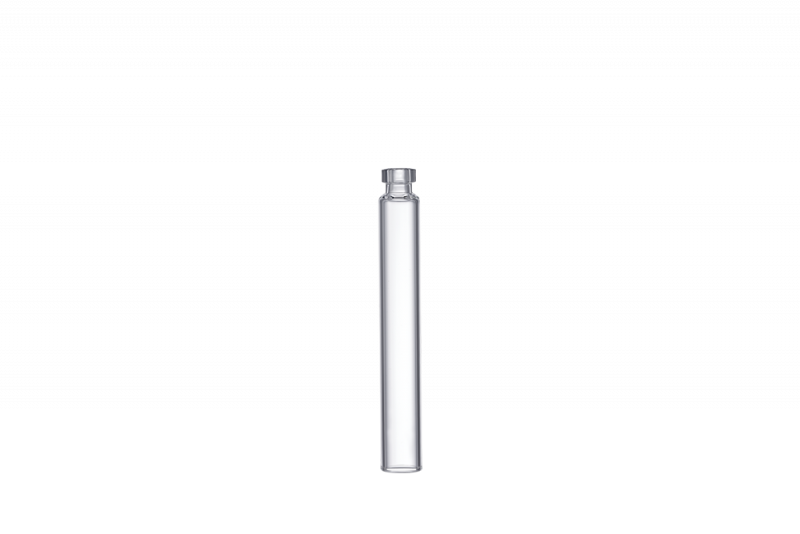
Why glass cartridge failures quietly wreck supply chains
I remember the morning in Fremont, CA, June 2019, when our QC team flagged a contamination run: 2,400 units failed post-fill inspection — painful and costly. I write from over 18 years working in pharmaceutical packaging and B2B supply, and I’ve seen the same pattern: design shortcuts, weak tamper-evident seals, and inconsistent sterilization protocols. Early on I started recommending a switch to a standardized pharmaceutical cartridge spec for clinical lots, because variability is the root of a lot of downstream problems. Imagine a temperature excursion during transit, a pivotal trial shipment delayed by 48 hours, and 3,000 glass cartridges compromised — what’s your recall plan? (Yeah, that happened on a Friday.)

The deeper issue isn’t the glass itself; it’s the system. Fill-finish lines optimized for speed tend to skip revalidation steps. I vividly recall a contract manufacturer in San Diego that used a different stopper vendor for one 50,000-unit run in March 2020 — the leachables profile shifted and we caught a subtle color change only during extended stability testing. That design decision cost six weeks and tens of thousands in corrective actions. In short: traditional fixes (thicker glass, different caps) mask the real pain — inconsistent process control, supply variability, and hidden contamination pathways. These are the precise weak links wholesale buyers need to watch.
What’s actually broken?
Put bluntly: traceability and early detection. We lacked quick assays on-site, and our production records were fragmented across three systems. I’ve audited facilities where lyophilization cycles and sterilization logs were out of sync by days. Those are the human and procedural gaps that make a robust glass cartridge unreliable in practice — not the material science alone. Let’s go forward.
Direct fixes and a forward-looking checklist
Here’s a bold claim: you can cut cartridge-related disruptions by half within one year if you align supplier specs, enforce ISO 15378-based quality checks, and add inline particle detection. I’ve implemented this combo in two contract fills — one in Phoenix (Nov 2020) and another in Boston (Feb 2022) — and both programs reduced rejects by roughly 48–52% within the first quarter. We standardized vendor qualifications, tightened sterilization validation, and adopted tamper-evident seal monitoring. These are actionable, not theoretical.
For buyers deciding between glass cartridge options, consider three core metrics — and no, don’t be seduced by price alone: 1) Process repeatability (Cpk and documented fill-finish run data); 2) Extractables/leachables profile under intended drug formulation; 3) Cold-chain resilience (measured excursion response time and validated transport packaging). I recommend scoring suppliers against these metrics and making test buys (small, controlled lots) before scaling. Also — quick aside — include a clause for on-site audit windows; you’ll thank me later. We’ve used those clauses to catch a packaging deviation that would’ve cost a mid-size client $120K in rework.
What’s Next?
Moving forward I expect more modular automation and standardized cartridge specs to reduce variability — not overnight, but steadily. We should push for shared test protocols across the supply chain so data isn’t siloed. I’m actively consulting with partners to pilot inline sterility indicators and better lot-level serialization for traceability. If you’re a wholesale buyer, start by demanding real run-data, not just certificates. Simple. Measurable. Effective.
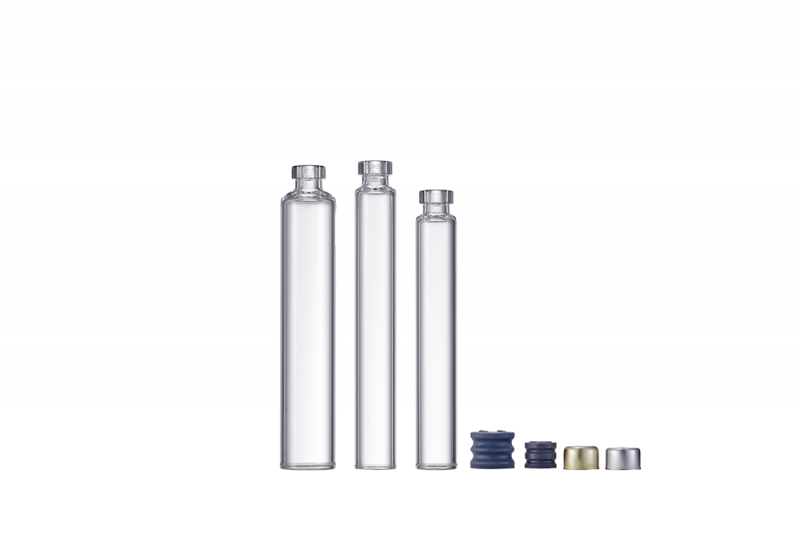
Final takeaways: prioritize process data, insist on extractables testing, and evaluate cold-chain resilience. Those three metrics will steer you right. I’ll keep refining our checklists and sharing examples — and yes, I’ll show the audit template we used in Fremont (send a note). For practical sourcing, consider trusted suppliers and standardized options like the pharmaceutical cartridge spec we benchmarked. I’m not handing out guarantees — just what works based on years in the trenches. Thanks for reading — next, we’ll dig into supplier scoring templates with real numbers. — LINUO