
Immediate problem: material stability vs. production demands
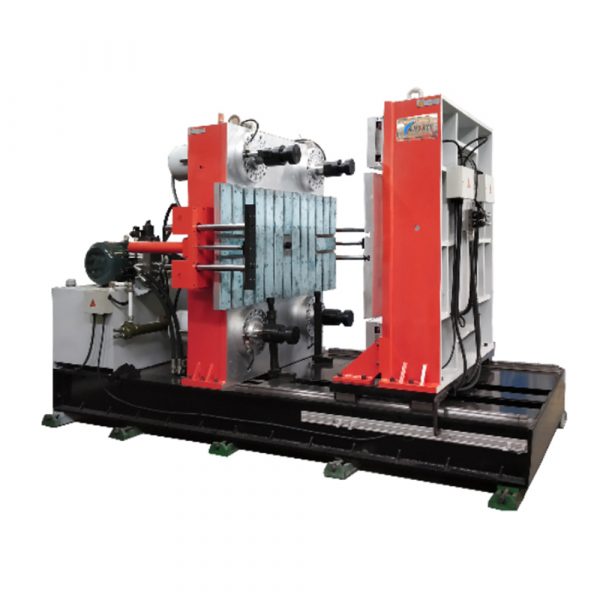
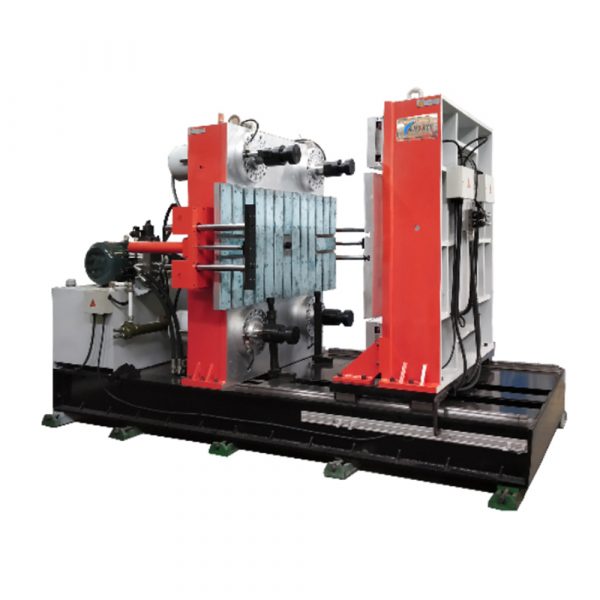
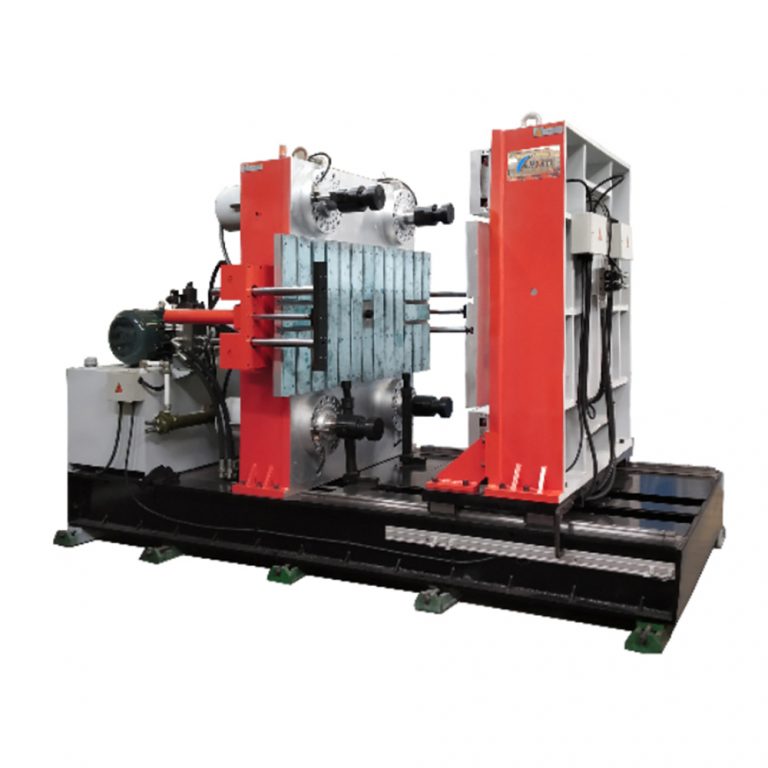
Manufacturers face a tight trade-off: higher throughput pushes liquid silicone rubber (LSR) and other elastomers closer to their Mooney viscosity and scorch safety limits, increasing scrap and shutdown risk. Facilities upgrading presses need practical tests before committing capital—this is why many engineers now bench their vertical designs against modern horizontal platforms like the horizontal rubber injection molding machine to compare cycle time, thermal control, and fault tolerance. Lessons from automotive plants in Detroit and Stuttgart show that even small shifts in melt temperature or shot size produce outsized downstream disruptions during ramp-up after the 2020 supply interruptions.
Why Mooney viscosity and scorch safety limits decide machine fit
Mooney viscosity tracks polymer flow under shear; scorch indicates premature cross-linking during residence. Both drive two hard constraints: the injection unit’s allowable melt temperature range and the acceptable residence time in hot runners or barrels. If a vertical press lacks fine control of mold temperature controller setpoints, scorch events spike. Likewise, clamping force misalignment can lead to flash or short shots when viscosity drifts. The technical takeaway: control bandwidth matters as much as nominal capacity.
What to evaluate in next-gen vertical systems
Design tests that stress material stability rather than just peak output. Run extended cycles at the upper bound of the Mooney viscosity range and monitor scorch onset with a simple elapsed-time log. Measure cycle time variance, peak injection pressure, and barrel residence distribution in the injection unit. Compare those metrics against a known horizontal benchmark—try a controlled cross-test between vertical prototypes and established horizontal injection molding platforms to separate design-limited behavior from process variability.
Common mistakes that generate false confidence
Teams often validate with short runs or idealized feedstock, then scale to full production and find scorch or crystallization at line rate. Another error is over-reliance on single-point clamp or temperature readings—distributed sensors are needed. Also, integrating new hot-runner designs without mapping residence times invites surprises. —Do the long runs; record the tails of the distribution, not just averages. These steps prevent late-stage retrofits that cost weeks and compress delivery schedules.
Material handling, maintenance, and human factors
Material conditioning and hopper handling are as important as machine selection. Dehydration, contamination, or inconsistent preheating change Mooney viscosity before the melt hits the injection unit. Maintenance intervals should reflect measured thermal creep and not just vendor recommendations—replace seals and check gate wear when cycle-to-cycle pressure variance exceeds control tolerances. Training operators on early scorch signatures reduces escalation time and avoids unnecessary mold pulls.
Three golden rules for selecting and validating a system
Use these three metrics to decide if a next-gen vertical system is fit for heavy manufacturing:
– Thermal control bandwidth: verify the mold temperature controller and barrel heating can maintain setpoints within ±1–2 °C under full-rate cycles; record overshoot and recovery times.
– Residence-time resilience: quantify the distribution of melt residence times through the hot runner and injection barrel; ensure the upper tail stays below scorch thresholds for your Mooney viscosity range.
– Process stability under load: run a 72–168 hour validation at target cycle rates and log cycle time variance, peak injection pressure, and defect rates; stability beats peak numbers.
These rules produce measurable acceptance criteria for procurement and reduce retrofit risk. Conclude acceptance only when data meet thresholds and operators can reproduce stable runs—this is the practical guardrail that separates optimism from readiness. HWAYI understands those thresholds and aligns system capability to shop-floor realities—short note: match tools to tests, not just specs.