
Introduction: A Shop Floor Morning
I was in a plant once where the welder’s hood fogged like the back of an old truck on a cold day. In that plant, automotive manufacturing welding fume extraction was supposed to keep the air clear, yet the weld booths still smelled and the welders still coughed — and the air monitors showed spike events that scared the safety team (we counted roughly 3–4 exceedances a month). So I asked: why are we still chasing fumes with band-aids? I write plain. This is a farmer’s take on tech: simple, honest, and with a plan. I’ve walked the line where ductwork meets the shop and watched HEPA filters choke, seen source capture arms ignored, and sat through budget meetings where safety wins lost to short-term cost. It’s not a lack of will. It’s a mix of legacy gear, patchwork layout, and blind spots in operation — plus a little pride that says “we’ve always done it this way.” We need clear fixes, not smoke and mirrors. Next I’ll dig into where classic systems fail and what that really costs the crew and the plant.
Part 2 — Where Classic Extraction Falls Short
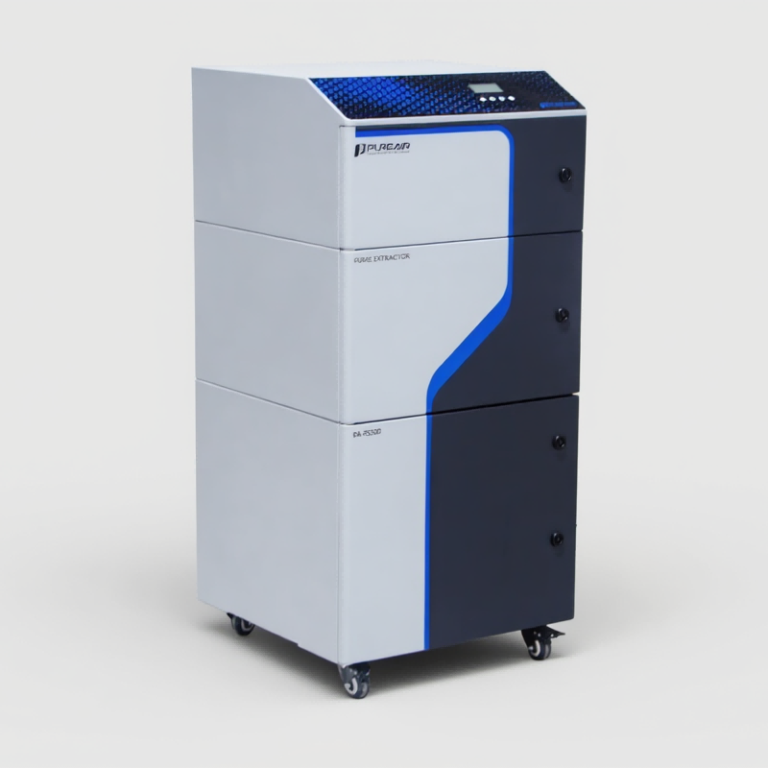
vehicle exhaust extraction systems were meant to cut emissions at the source. But in many plants they sit as theater props: connected wrong, sized wrong, or ignored in daily work flow. I’ve reviewed layouts where fans were overworked, filters were last on the maintenance list, and local exhaust ventilation arms sat folded because they slowed the job. The result: uneven capture, re-entrainment in the hall, and welders who work around the tools instead of with them. Look, it’s simpler than you think — fix the capture point and the rest gets easier. Key technical failures I see: poor hood placement, undersized fans, wrong filter media, and duct losses that choke performance. Add in inconsistent maintenance schedules and you get spikes in particulate and manganese levels. We measured particle counts and noticed that a 10% drop in capture efficiency doubles the crew’s exposure time during a shift. That kind of math bites later — regulatory citations, sick days, morale hits, higher turnover. — funny how that works, right?
So what really breaks down?
Usually it’s the human step. Systems work on paper; they fail in practice. Misused extraction arms, filters bypassed, and power converters that trip just when a spot weld starts. I’ve talked to shop leads who told me they “make do.” That phrase costs real money. I’m convinced: you need design that fits the work, and training that fits the people.
Part 3 — Principles and Practical Upgrades for the Road Ahead
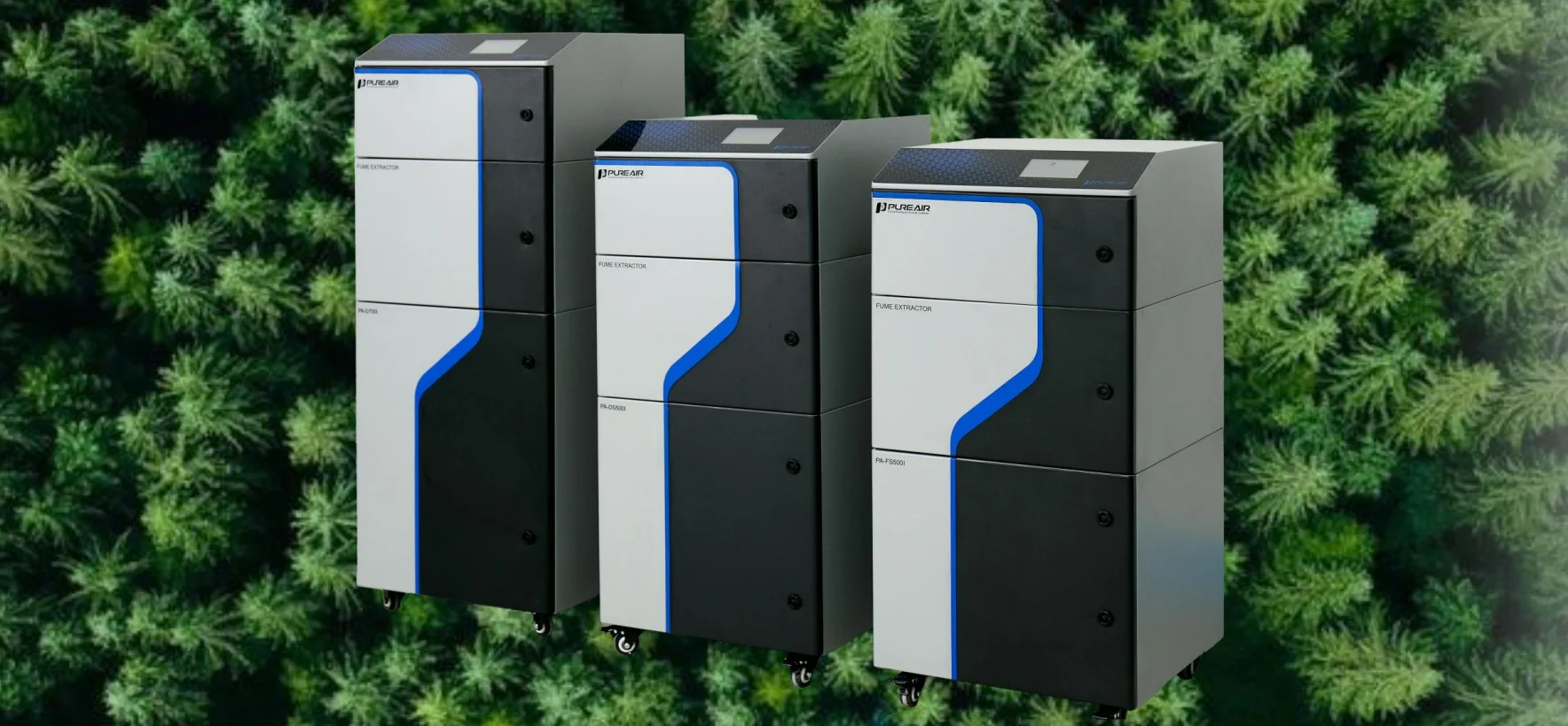
What I want us to do next is simple: marry good engineering to good operations. For new installs or upgrades, start with source capture. Then add sensor-based control, some edge computing nodes for local decisions, and variable-speed drives so fans don’t run flat out all day. Modern vehicle exhaust extraction systems can do that — they adapt, report, and save energy. I like systems that tell me what they’re doing. It makes audits easier and keeps welders breathing cleaner air. I’ve seen a small line cut exposure by half after swapping old static fans for variable drives and adding real-time airflow sensors. The change wasn’t flashy. It was steady: better capture, fewer filter swaps, and a quieter shop. — I won’t pretend it’s instant. You need buy-in and a plan. But the tech exists and it pays back in weeks to months.
What’s Next — Real Steps to Take
We should evaluate systems not by brand slogans, but by measured outcomes. Here are three metrics I use and recommend you track: 1) Capture efficiency at the weld (percent captured at source). 2) System uptime and filter differential pressure (practical maintenance signals). 3) Energy per cubic meter moved (operational cost and sustainability). Use these, and you’ll pick the right mix of local exhaust ventilation, HEPA or H13 filters, and control logic. I argue for simple dashboards on the shop floor — operators like clear signals. They respond. — we’ve seen it. In closing, pick solutions that solve the real job, not just the spec sheet. Measure before and after. Train people. And when you’re ready to explore solid, tested systems, check what brands like PURE-AIR offer. I’ve walked many plants through this. We can make the air clearer and the plant stronger — one weld at a time.