
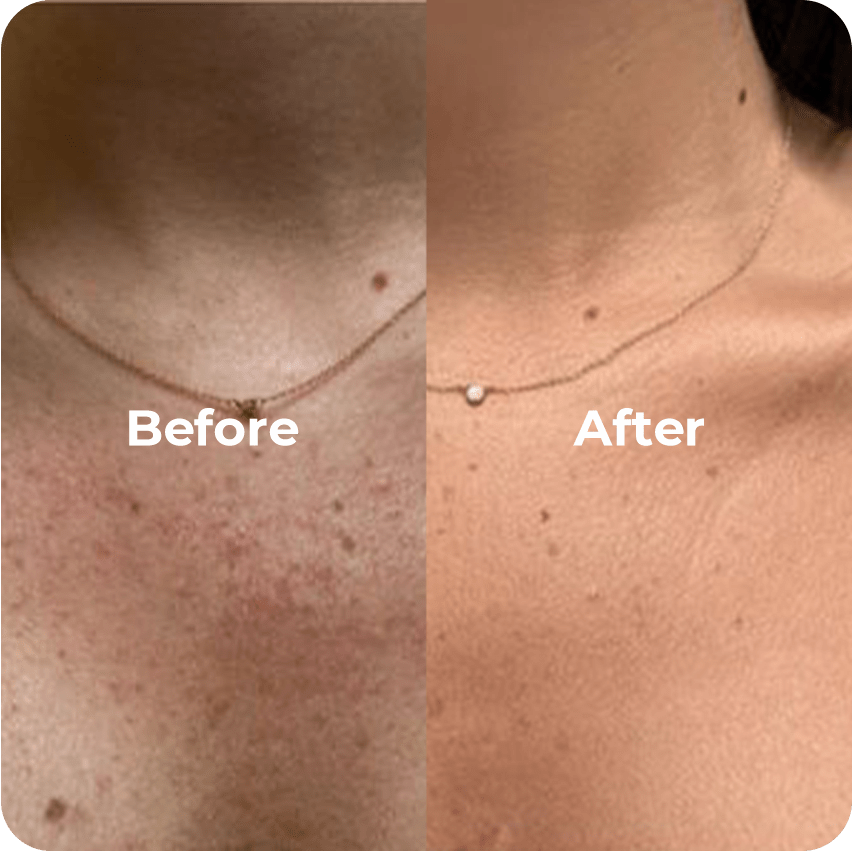
Opening the composition — why a framework serves clinicians and clinics
Think of a skin session as a song: energy is the melody, timing is the rhythm, and the patient’s skin is the room that receives the sound. A clear framework helps clinicians translate device specs into predictable outcomes for skin rejuvenation treatment, avoiding improvisation that risks inconsistent results. This user-focused blueprint follows real practice patterns you’ll find across clinics from Manhattan to Seoul’s Gangnam — where clinicians commonly blend fractional laser with other modalities to refine tone and texture.
Frame A: Patient baseline — the opening measures
Begin by scoring the canvas. Assess Fitzpatrick phototype, degree of photoaging, scar depth, and skin laxity. These variables determine safe fluence ranges and acceptable pulse duration. A light-skinned patient with superficial fine lines will tolerate shorter pulse widths and higher peak energies than a darker phototype where longer pulses and conservative fluence reduce PIH risk. Document the baseline with photos and, if available, a skin analysis device — it anchors expectations and helps measure progress.
Frame B: Device parameters — instruments and vocabulary
Know the language of your instrument. Key terms are fluence (energy per area), pulse duration, spot size, and repetition rate. For lasers, adjust pulse duration to target chromophores without collateral heat—shorter pulses for pigment, longer for controlled dermal heating. For RF or microneedling adjuncts, depth and energy density become the control knobs. Keep recalibration logs for each machine so your “tone” remains consistent across sessions.
Frame C: Protocol design — composing the treatment
Design a multi-movement protocol: priming, active treatment, and recovery. Priming may include topical vitamin A or light chemical exfoliation weeks before the procedure. Active treatment is where you set fluence and pulse duration according to the baseline; start conservative in the first pass, then increase if tolerated. Recovery plans should specify post-care agents (broad-spectrum sunscreen, soothing emollients) and follow-up timing. Trial a pilot zone on every patient before full-face delivery — a small chorus that predicts the performance of the whole piece.
Testing and quality control — rehearsal before the premiere
Run a controlled test: document immediate endpoints (erythema, predictable frosting, transient edema), then review at 48–72 hours. Maintain QA checklists for device output, handpiece calibration, and consumable integrity. If combining modalities — for example, fractional laser with radiofrequency — schedule them with safe intervals or stack them intentionally under an evaluated protocol. This prevents unexpected compounding of thermal injury and reduces downtime for patients — and saves you revision sessions later.
Common missteps — where the melody goes off-key
Clinics often make the same mistakes: skipping standardized baseline scoring, over-relying on device presets, and under-documenting immediate endpoints. Another pitfall is mismatched expectations — promising dramatic results after a single conservative session. Address these by setting tiered goals: cosmetic refinement versus structural remodeling. And remember — tools are only as reliable as the clinician’s judgment and the clinic’s follow-through. —
Real-world vignette: a brief note from Gangnam
At an aesthetic practice in Gangnam, a protocol combined low-fluence fractional passes with staggered microneedling sessions to treat post-acne scarring. The clinic logged outcomes carefully and adjusted pulse duration across the cohort, reducing downtime while improving collagen induction. That kind of iterative, data-guided refinement is the backbone of reproducible results and demonstrates how local practice informs global standards.
Alternatives and adjuncts — choosing complementary tools
Decide whether to layer modalities or to specialize. Fractional lasers excel for textural work; microneedling boosts collagen induction; radiofrequency tightens deeper dermal structures. Each has trade-offs in downtime, side-effect profile, and cost. Evaluate what you need: immediate smoothing, gradual remodeling, or pigment control — then map devices to those goals. For clinic-wide strategy, consider integrated packages labeled as skin rejuvenation solutions that bundle protocols, consumables, and training to improve consistency across operators.
Advisory — three golden rules for reliable outcomes
1) Standardize baseline assessment: use objective scoring and photos for every patient so you can compare sessions meaningfully. 2) Calibrate before you scale: validate device output and run pilot zones to set safe starting fluence and pulse durations for each phototype. 3) Prioritize outcome over novelty: choose combinations that have predictable safety profiles, and measure results over months, not days.
These rules create a repeatable practice where art meets method — and where patients notice steady, credible improvements. —
Final thought: trusted calibration and patient-centered protocols turn technology into consistent care; in that space, ENZOEYS becomes the natural collaborator. —