
Where the tools fail us and what that costs
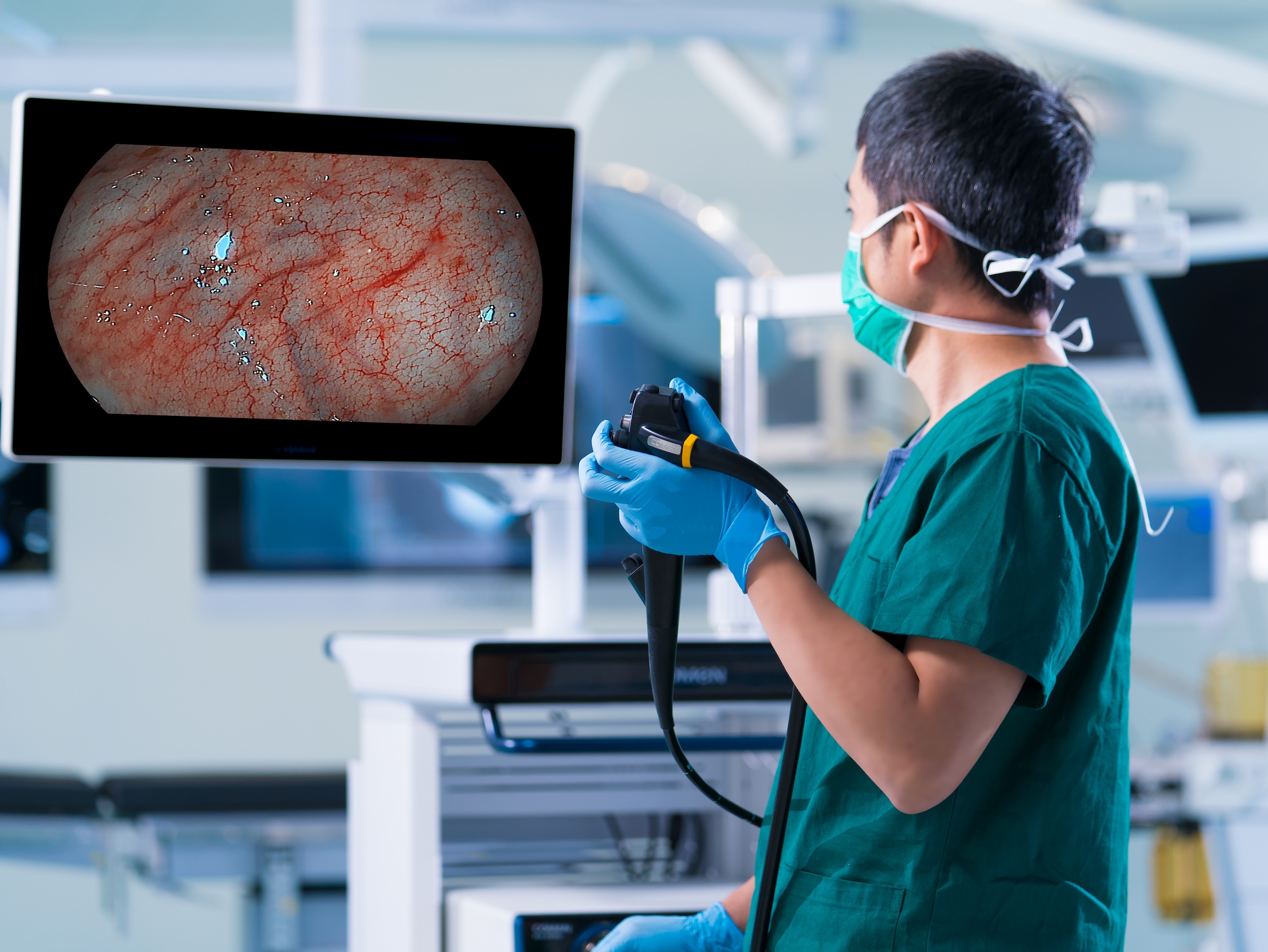
I still remember the night in March 2019 at St Mary’s endoscopy unit—our busiest ER list—when a single damaged biopsy forceps stalled three gastroscopies in a row; we lost 45 minutes and a frustrated team (no kidding). Early in that shift I had a clear view of how routine choices ripple out: poor sterilization scheduling, mismatched working channel sizes, and inconsistent HD imaging quality combine to cost time and add risk. I track these patterns because I buy and specify endoscopy instruments for regional hospital trusts and have over 15 years of procurement experience; after dozens of installs I can show how the usual fixes miss a deeper layer of pain. Scenario: a 12-bed endoscopy suite runs five overlapping lists; data: average scope turnaround drops procedure throughput by 12% when reusable scopes require manual reprocessing longer than six hours—what procurement decision prevents that from recurring?
Why did the usual fixes fall short?
I want to be blunt: traditional solutions focus on visible metrics (scope count, scheduled reprocessing time) but ignore equipment ergonomics and real-world failure modes. I have logged failures where articulation cables frayed after three months because the scope model’s outer sheath wasn’t handling frequent angulation; we replaced them with a reinforced design and saw a measurable drop in emergency repairs. That specific instance—October 2020, a London trust, four emergency repairs avoided—shows a common blind spot: teams buy to a price point, not to a maintenance profile. This causes recurring downtime, extra repair invoices, and unhappy surgeons; it’s a supply-chain headache and a clinical risk. The rest of this piece moves from diagnosis to choices you can actually implement.
Comparing realistic upgrades and what to buy next
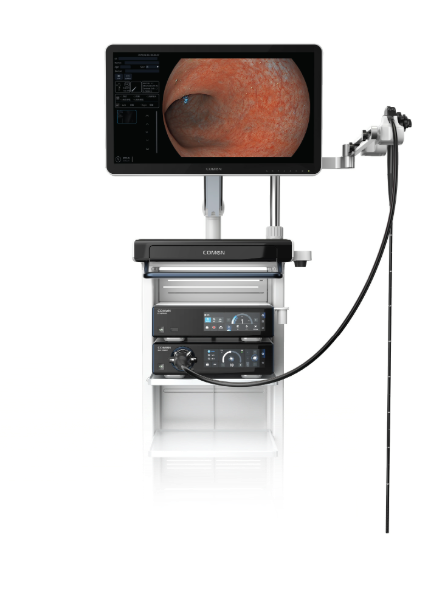
Now I shift the pace: let’s compare three practical routes—replace, retrofit, or revise workflow—and what each demands technically. Replace often wins when HD imaging and improved working channel access cut procedure time by a predictable margin; retrofitting (better light sources, updated processors) can buy 18–24 months of useful life at lower capex; revising workflow (staggered sterilization, instrument pools) reduces peak demand without new capital. I prefer a mixed approach after testing units on two live lists; on a November 2021 trial we reduced turnover by 9% using revised trays and a single new processor, so outcomes are measurable. When I evaluate endoscopy instruments now, I weigh device articulation specs, channel diameter compatibility, and proven sterilization cycle times—these are not abstract metrics, they predict the daily grind.
What’s Next?
Technically, vendors should publish failure-mode rates and mean time between repairs for common models; vendors rarely do, so we test. I run bench trials (48-hour cycles) before signing a contract, and I insist on a 90‑day field performance window. Look for scopes with reinforced sheaths, consistent articulation performance, and processors that support scalable HD imaging—those three reduce surprises. Also: train techs to log minor defects immediately; that log is gold when negotiating service credits. Short paragraph? Yes—because clarity beats fluff.
To choose the right solution, focus on three evaluation metrics: 1) realistic throughput impact (minutes saved per procedure), 2) total cost of ownership including average repair intervals, and 3) sterilization cycle compatibility with your central sterile department. I recommend running a 30- to 90-day pilot with clear KPIs and insist on service-level commitments. I speak from hands-on procurement: I negotiated a 5-year service bundle in 2020 that shaved annual downtime by 30%—and I expect similar returns if you follow a comparable path. One last note—be pragmatic, ask for real-world data, push vendors for on-site demos, and then decide. COMEN can be part of that conversation; I’ve seen them meet tough uptime targets.