
Introduction — a barn-side story, some numbers, and a question
I once stood in a half-lit broiler house at dawn, watching birds cluster under a single bulb like it was the last diner on a cold highway. The light looked wrong — harsh in some spots, dim in others (and the team swore they’d checked the timers). Broiler lighting affects growth, welfare, feed conversion — you name it — and yet many farms still run on patchwork setups. Recent data shows inconsistent light cycles can shift feed conversion ratio by several points and add days to market age. So I ask: how did routine lighting become such a messy, costly problem? — and what do we actually do about it next?
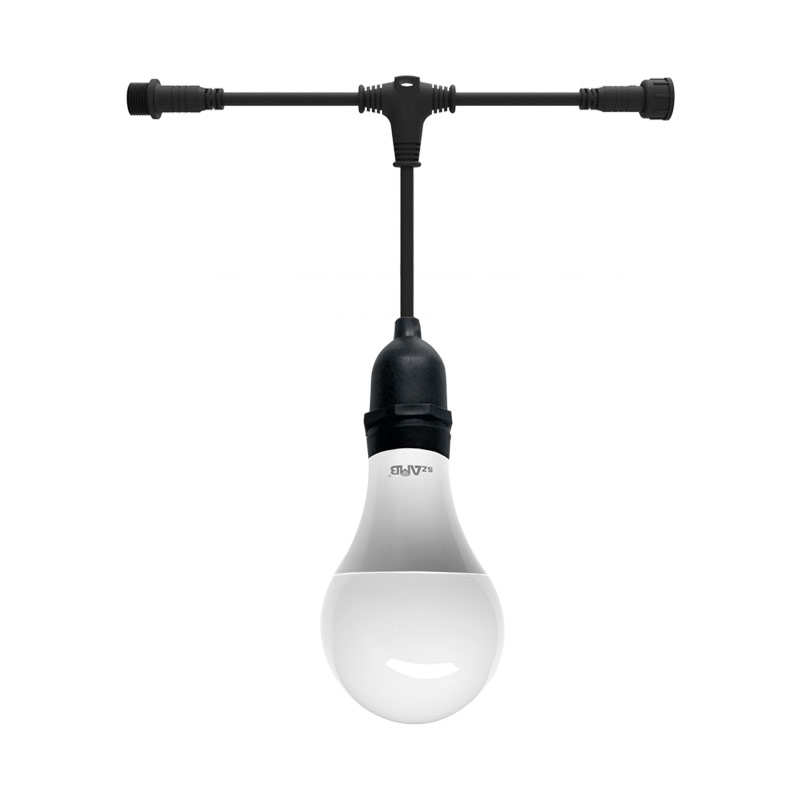
I’ll be blunt. I’ve seen too many houses retrofitted with cheap LEDs, timers slapped on without testing, and managers told to “let the birds tell you” when they’re actually telling you nothing at all. We need to stop guessing. In the next section I’ll dig into why the common fixes fail and where the blind spots are, then move on to practical principles that actually improve outcomes. Stick with me — this gets useful fast.
Why current broiler chicken lighting programs miss the mark
Let’s strip it down technically. Most farms swap into LEDs and call it a day. That change helps — lower heat, longer bulb life — but it doesn’t solve uneven lux levels, poor dimming control, or wrong photoperiod strategies. I’m talking about real components: LED drivers that can’t handle fine dimming, dimming protocols that clash with timers, power converters that trip under load, and no feedback loop to tell you if the system is actually delivering the intended light schedule. These are engineering failures more than bird behavior problems.
What’s the hidden pain?
The deeper issue isn’t the bulb. It’s the program. Managers install a schedule based on a handbook or a vendor brochure — not on measured barn conditions. That leads to unintended dark pockets and over-lit roosts, stressing birds and skewing circadian rhythms. Add in poor maintenance and a lack of monitoring, and you’ve got systems that drift out of spec without anyone noticing. Look, it’s simpler than you think: if your dimming protocols and sensors aren’t matched, the photoperiod your controller thinks it’s running is not what the birds experience.

From my experience on different farms, the result shows up as uneven uniformity, feed conversion swings, and higher first-week mortality in bad patches. It’s not dramatic at first — but these inefficiencies stack. I’ve watched producers invest in edge computing nodes and fancy controllers that never got tuned. — funny how that works, right? The bottom line: tech without matching design and quality components (LED drivers, power converters, lux meters) just moves the problem around.
Principles for next-gen broiler lighting and how to evaluate options
Now let’s get forward-looking. I favor explaining core principles so you can judge solutions yourself. First: match control systems to the hardware. Second: measure real in-barn lux and spectral distribution, not just controller output. Third: plan for maintainability — easy access, replaceable LED drivers, and clear diagnostics. These are the building blocks of effective broiler chicken lighting programs that actually move performance metrics.
What’s next — in practice?
Here’s how I’d compare approaches. Option A: bolt-on LEDs with basic timers. Cheap, quick — but high risk of uneven lux and limited dimming. Option B: integrated systems with sensors, proper LED drivers, and smart controls. Higher upfront cost, but far better for uniformity, photoperiod accuracy, and long-term savings. Option C: full telemetry with edge computing nodes doing local adjustments and cloud analytics. Best data, best control, but demands good maintenance discipline and cybersecurity sense. I prefer Option B for most operations — solid ROI without overcomplicating things, though larger integrators may benefit from Option C.
Before you pick, measure outcomes. I recommend three evaluation metrics: 1) uniformity ratio (min/max lux across the house), 2) photoperiod accuracy (what the birds actually see vs. what your controller logs), and 3) return on investment over a 3–5 year window (including maintenance). These metrics keep the conversation practical and measurable. We’ve learned that small changes in uniformity and photoperiod can move feed conversion and mortality numbers — so measure, don’t assume. If you want a partner that understands the hardware and the bird side, I’d point you to solutions that balance LED drivers, dimming protocols, and real-world sensor data. In our work with producers, that’s the sweet spot for lasting gains.
Wrap-up: I’m not selling a miracle. I’m saying be practical — test your barns, match parts to control logic, and judge by uniformity, accuracy, and ROI. That’s how you stop wasting time on band-aids. If you want a sensible starting point or to see examples, check out szAMB. I’ve walked these barns with producers; the fixes are hands-on, measurable, and worth doing right.