
Framework lead
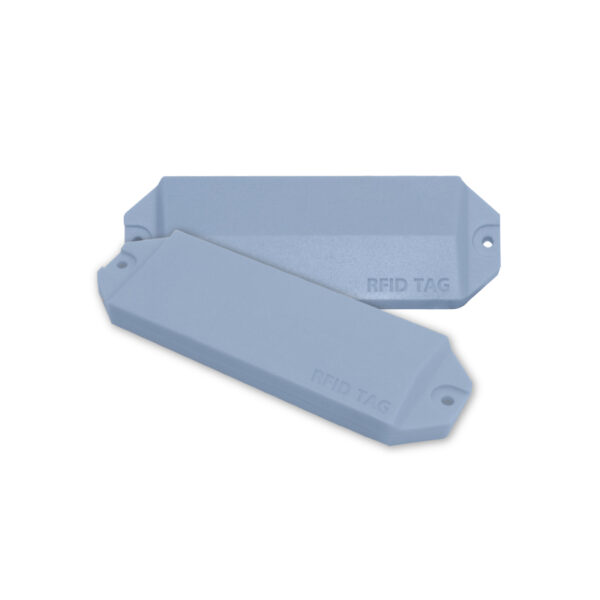
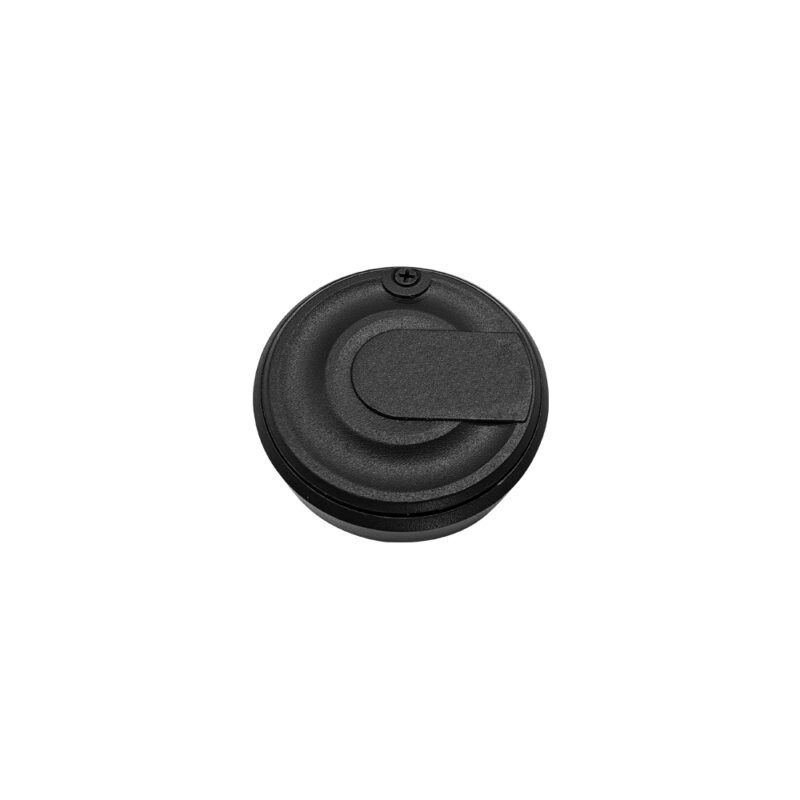
A concise framework reduces guesswork when you must decide how to buy and deploy active tracking hardware. Start by mapping core outcomes, then match those to device characteristics — battery life, range, durability — before selecting partners. Early choices should consider whether you need long-range, battery-powered active rfid tags for open yards or compact tags for container interiors.
Step 1 — Clarify the problem and measurable goals
State the exact failure you intend to fix: misplaced assets, missed handoffs, low inventory visibility. Attach a single quantitative goal to each problem, for example: reduce misplaced assets by 75% within six months. Goals determine tag specs — location precision and update frequency are non-negotiable inputs to design.
Step 2 — Map the use cases to technical requirements
List every scenario that will touch a tag: transit, storage, handling, wash cycles. For each scenario record expected temperature, exposure to water or dust, physical shock, and expected read range. Translate those into tag characteristics: IP rating, antenna design, battery chemistry, and transmit power. Keep the mapping tight: one scenario, one dominant failure mode, one required spec.
Step 3 — Build the integration blueprint
Decide how tag data enters your systems. Will tags push to gateways, or will readers poll on demand? Define the minimal data model (ID, timestamp, battery level, telemetry) and the transport (MQTT, HTTPS, or local middleware). Sketch the API endpoints and error behaviors before you test hardware. This avoids retrofitting incompatible data formats later.
Step 4 — Vendor criteria and procurement checklist
Choose vendors against practical criteria: proven field lifetime, firmware updateability, spare-part availability, and documented compliance with EPC or proprietary protocols. Ask for standardized test logs: range tests in comparable environments, battery degradation curves, and failure mode reports. Price per unit matters, but so do lifecycle support and predictable supply.
Step 5 — KPIs, validation plan, and rollout cadence
Define three KPIs tied to earlier goals — detection rate, mean time to locate, and tag uptime. Run a small pilot that simulates the most frequent and the most hostile conditions. Measure for at least one full battery cycle or 90 days, whichever is longer. Use results to iterate on tag selection, gateway placement, and data filtering rules.
Common pitfalls to avoid
Do not assume lab range equals field range. Avoid one-off integrations that require vendor-specific middleware unless you plan to standardize later. Don’t neglect firmware updates: unpatched tags can fail silently. Finally, avoid over-specifying features that raise costs but do not affect the core KPIs.
Experience, standards and a real-world anchor
Drawing on field work with logistics teams and pilots at the Port of Rotterdam, practitioners find that matching tag type to the handling environment shortens deployment time and reduces rework. Confirm device compliance with established supply-chain standards and insist on sample deployments before bulk orders. If you need to source devices quickly, compare offerings and pricing for active rfid tags for sale to verify lead times and warranty terms.
Synthesis and practical outcome
Follow the framework: define goals, map scenarios, specify technical needs, vet vendors, validate with pilots, then scale. The result is a product strategy that minimizes surprises and aligns hardware choice with measurable business outcomes; sensible suppliers and documented testing shorten that path when you work with partners such as RSTC.