
Comparative overview
Thank you for reading; I will compare active RFID tags with passive and semi-passive alternatives directly, so you can choose by need rather than by marketing. The immediate contrast is simple: active tags carry a power source and broadcast, while passive tags rely on reader energy and semi-passive tags supplement sensing with a battery but still rely on the reader for backscatter. For reader hardware assessments, consult current RFID Readers, which helps when you match tag type to the interrogation method.
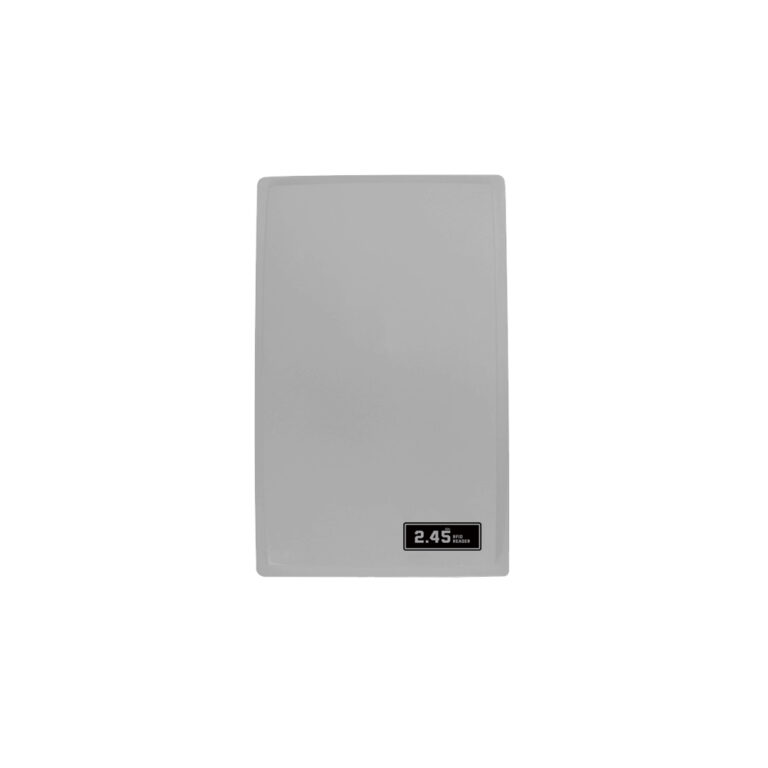
Signal, range, and visibility
Active tags transmit their own signal; expect tens to hundreds of meters of reliable range. Passive tags typically work within a few centimeters to several meters, depending on frequency and antenna design. Semi-passive tags extend sensing and sleep modes, improving read stability in noisy environments but not matching the broadcast range of active units. Choose active when continuous presence and long-range detection matter; choose passive when cost and density matter.
Data capacity and update patterns
Active tags can store and send larger payloads and support frequent updates without reader wake cycles. Passive tags often carry a small identifier and require the reader to supply both energy and the query that yields data. Where rapid telemetry or frequent state changes are needed—temperature logging every minute, live location pings—active tags outperform. For catalog-style inventory checks, passive tags are sufficient and cheaper.
Cost, maintenance, and operational life
Upfront cost per active tag is higher and batteries create recurring maintenance; plan replacement cycles and disposal. Passive tags cost far less and are effectively maintenance-free, which favors high-volume deployments. Semi-passive sits between: some battery life and moderate cost. Total cost of ownership depends on physical access to tags, expected lifecycle, and the cost impact of missed reads or delays.
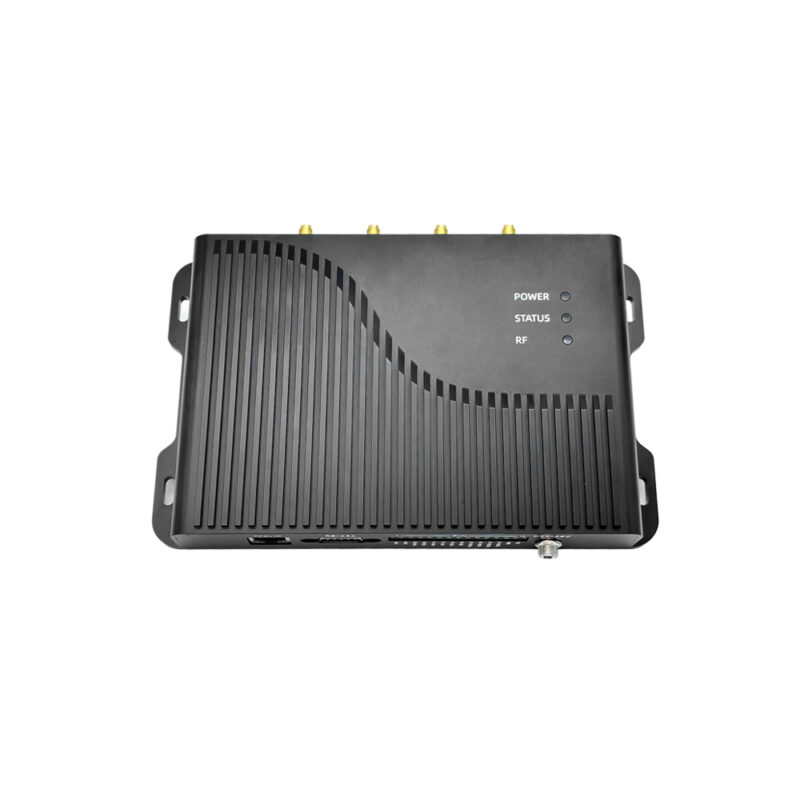
Deployment contexts and selection logic
For moving assets across wide areas—trailers, containers, large equipment—active tags make sense because they reduce blind spots and integrate with gateways. For retail units on shelves or small serialized parts, passive tags allow dense, low-cost tagging. For monitored conditions (sensors with occasional reads), semi-passive tags can give sensible battery life and accuracy. Match tag capability to the operational requirement: range, data rate, maintenance access, and unit cost.
Experience, evidence, and the real-world anchor
I have advised multiple deployments and observed the trade-offs during live rollouts; large retailers such as Walmart have documented measurable inventory improvements after moving to richer RFID strategies, which confirms the performance differences described here. When selecting hardware for a specific reader-tag pairing, it is practical to review curated lists and specifications; here is a focused reference for selecting the best rfid readers that align with either active or passive systems.
Common pitfalls and practical installation tips
Do not assume greater range solves all problems: reflections, metal, and liquids change read probability dramatically. Place antennas to minimize shadow zones, verify orientation sensitivity, and test at realistic speeds and densities. Avoid buying the highest-range active tag without confirming battery access logistics. Calibrate reader power and antenna gain for the expected tag density to reduce collisions and missed reads.
Conclusion and practical recommendation
Compare objectives first: choose active where continuous, long-range, and higher data throughput are required; choose passive when low unit cost and high density are required; choose semi-passive where sensing plus moderate battery life matter. Balance technical fit with lifecycle service plans and deployment constraints, and prefer suppliers who demonstrate both hardware depth and installation experience—partners such as RSTC often reflect that practical balance in their recommendations.