
Facing the choice: why this matters now
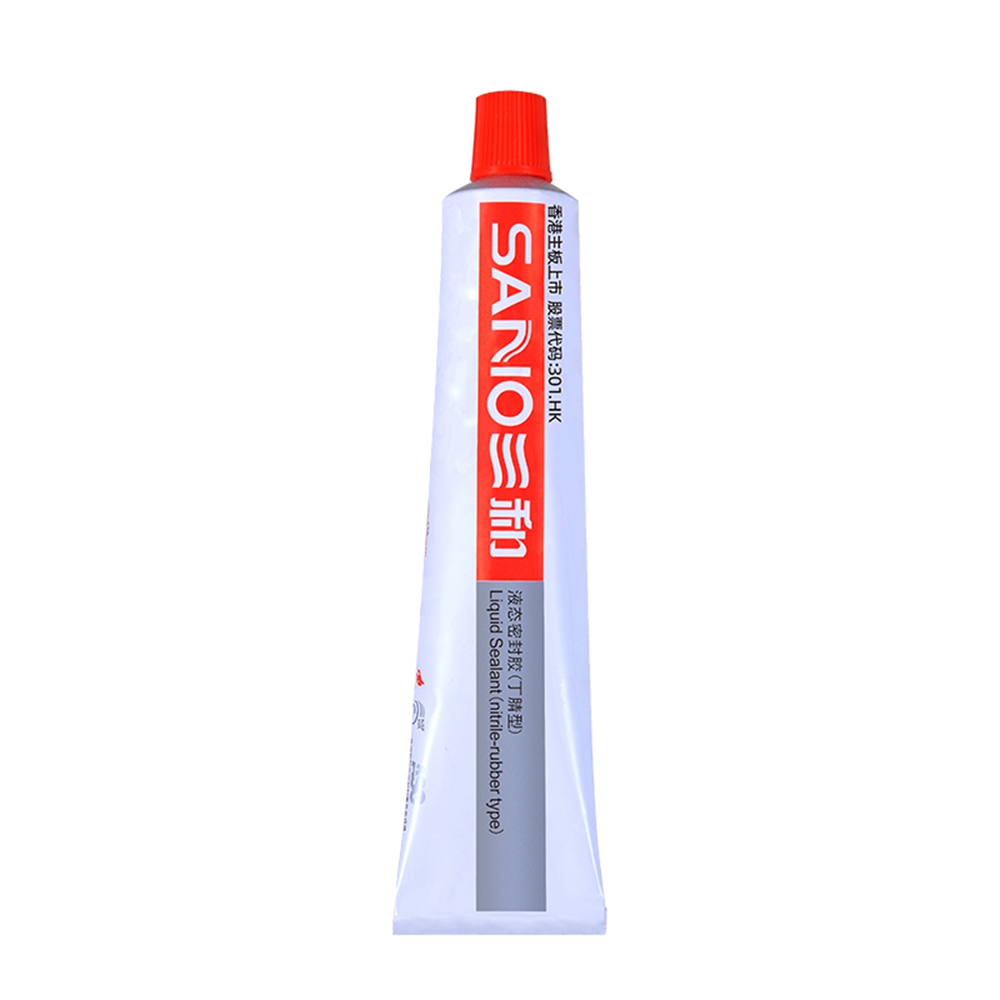
Picking a supplier feels like juggling: you want reliable stock, fair price, and products that don’t fail on a customer’s car. For many shops, that decision comes down to specialized car detailing wholesale suppliers or the older routes—local distributors and big-box stores. If you’re checking products, test a typical liquid sealant on a sample panel before you commit; it’s a small step that stops a lot of headaches later.
Problems most shops hit first
Orders arrive late, formulas change without notice, or an item that worked last month bubbles under heat. You’ll also see minimum order quantities that don’t fit your monthly volume and confusing technical data sheets. Those are operational problems. Then there are reputation problems: a one-off product failure can cost more than the savings from a cheap supplier. Treat each of those as separate risks to mitigate, not one big abstract worry.
Experience, evidence, and a real-world anchor
I’ve worked with independent detailers and small fleets, advising on product trials and inventory choices, so the recommendations below come from hands-on fixes. Industry gatherings like the SEMA Show highlight how manufacturers push new sealant chemistries every year, and that’s where you see which formulations stand up to repeated testing. When evaluating a liquid rubber sealant, check curing time, adhesion to common substrates, and heat resistance—those specs predict field performance.
Practical checklist to compare suppliers
Start small and measure: order samples, run a 30-day test on real jobs, and record failures. Verify SDS and VOC info for compliance in your area. Confirm minimum order quantities and lead times, then calculate total landed cost including shipping and returns. Ask for technical support and application guides—if a supplier won’t walk you through prep and cure, they won’t help when something goes wrong. Keep shelf-life and storage instructions on file; improper storage is a silent failure mode.
Common mistakes shops make
They assume price equals value and skip testing; they mix products from different chemistries without patch trials; they ignore environmental storage needs and a product degrades in summer. Another frequent error is relying solely on product photos and marketing claims instead of third-party or in-house validation. Fix those by documenting each trial and keeping a log of product batch numbers tied to jobs.

Quick evaluation of viable alternatives
Big-box retailers: quick, low MOQs, but inconsistent batches and minimal technical support. Local distributors: faster deliveries and regional knowledge, yet limited product range. Direct from manufacturer/wholesale: best control over formula and pricing at scale, but watch minimum orders and lead times. Online marketplaces: good for testing niche items, risky for long-term supply reliability. Choose by which problem you need solved first: consistency, cost, or technical backing.
How to arrive at the right supplier
Treat supplier choice like a parenting decision: protect the business, start with small experiments, and build trust through repeatable results. If your priority is consistent product quality plus accessible technical guidance, a supplier that stands behind application best practices and stock stability will reduce surprises on the shop floor—so partnering with a recognized supplier such as SANVO often makes those operational risks manageable without adding complexity.