
The problem — why operators are scratching their heads
Eish, when big commercial and industrial sites bring in multi‑megawatt battery plants they expect them to behave like a reliable generator — but the grid doesn’t always play nice. Frequency excursions, sudden load swings and weak local networks force storage to share the job of stabilising both active power (real power) and reactive power (voltage support). That’s where frequency droop control comes in, and why choosing the right solar battery storage setup matters. In practice — think Cape Town’s loadshedding episodes and strained local feeders — operators need systems that can be tuned fast, coordinate inverters and keep state of charge (SoC) sensible while still meeting grid codes at 50 Hz.
Active vs reactive compensation — what’s really at stake
Active power stabilises frequency; reactive power holds voltage. But a storage inverter can’t give unlimited amounts of both at once. When you bias a system to provide heavy reactive support, you limit headroom for active power during an under‑frequency event. Conversely, prioritising active response can leave voltage unsupported and create oscillations. The trade‑off shows up as slower frequency recovery or poor voltage profiles at the point of common coupling — neither good for sensitive industrial loads or local protection schemes.
Typical failure modes on commercial deployments
Most projects fall into a few repeatable traps: wrong droop curves for the local grid, insufficient inverter thermal margin, poor SoC scheduling that reduces available reserve, and coordination gaps between multiple units or with existing generators. Communication latency in the control network can make coordinated droop look like chaos — units fight each other instead of sharing burden. — It’s not exotic; it’s often basic tuning and testing missed during commissioning.
Practical tuning approaches that actually work
Start simple: set a conservative active‑power droop so each inverter contributes proportionally to frequency deviations, then layer reactive support around the voltage band of interest. Use a two‑stage approach: fast, local inverter actions for initial stabilisation; a slower supervisory controller for sustained sharing and SoC management. Grid‑forming inverters can take the lead in weak networks, while grid‑following units fallback to support. Test with short, repeatable disturbances and verify response times, ramp rates and inverter current limits — these are your real constraints, not theoretical power ratings.
Sizing, acceptance testing and off‑grid considerations
Don’t trust nameplate alone. Run scenario‑based simulations (e.g., islanding, sudden motor starts) and validate with hardware‑in‑the‑loop or staged commissioning. For sites that might run away from the grid — or permanently off grid — ensure the system’s droop logic and SoC policy are designed for prolonged islanding: that often means higher inverter redundancy and clear reactive power allocation rules. If you’re exploring stand‑alone solutions, look into proven off grid energy storage systems that document islanding and black start behaviour.
Checklist: what to demand from vendors and integrators
Make these non‑negotiables part of the contract:
- Documented droop curves and the ability to adjust them in the field without heavy downtime.
- Measured inverter response times, continuous and short‑term current limits, and thermal derating profiles.
- SoC management strategy with reserve allocation for frequency events plus a clear black‑start plan.
- Interoperability tests showing coordinated behaviour when multiple units act together.
- Acceptance tests that mirror real network events, not just steady‑state lab checks.
Three golden rules for choosing and tuning storage (Advisory close)
1) Measure first, assume less: insist on empirical response metrics — ramp rates, time‑to‑first‑response, and max continuous reactive current — before signing off. Those numbers predict real behaviour far better than kilowatt ratings.
2) Protect headroom with SoC policy: keep a reserve band specifically for frequency support; treat it as working capital, not spare capacity. That ensures reactive and active support don’t cannibalise each other when you need both.
3) Demand coordinated control and staged testing: vendors must show multi‑unit scenarios and islanding sequences under live conditions. If they can’t demonstrate coordination, it’ll cost you time and outages later.
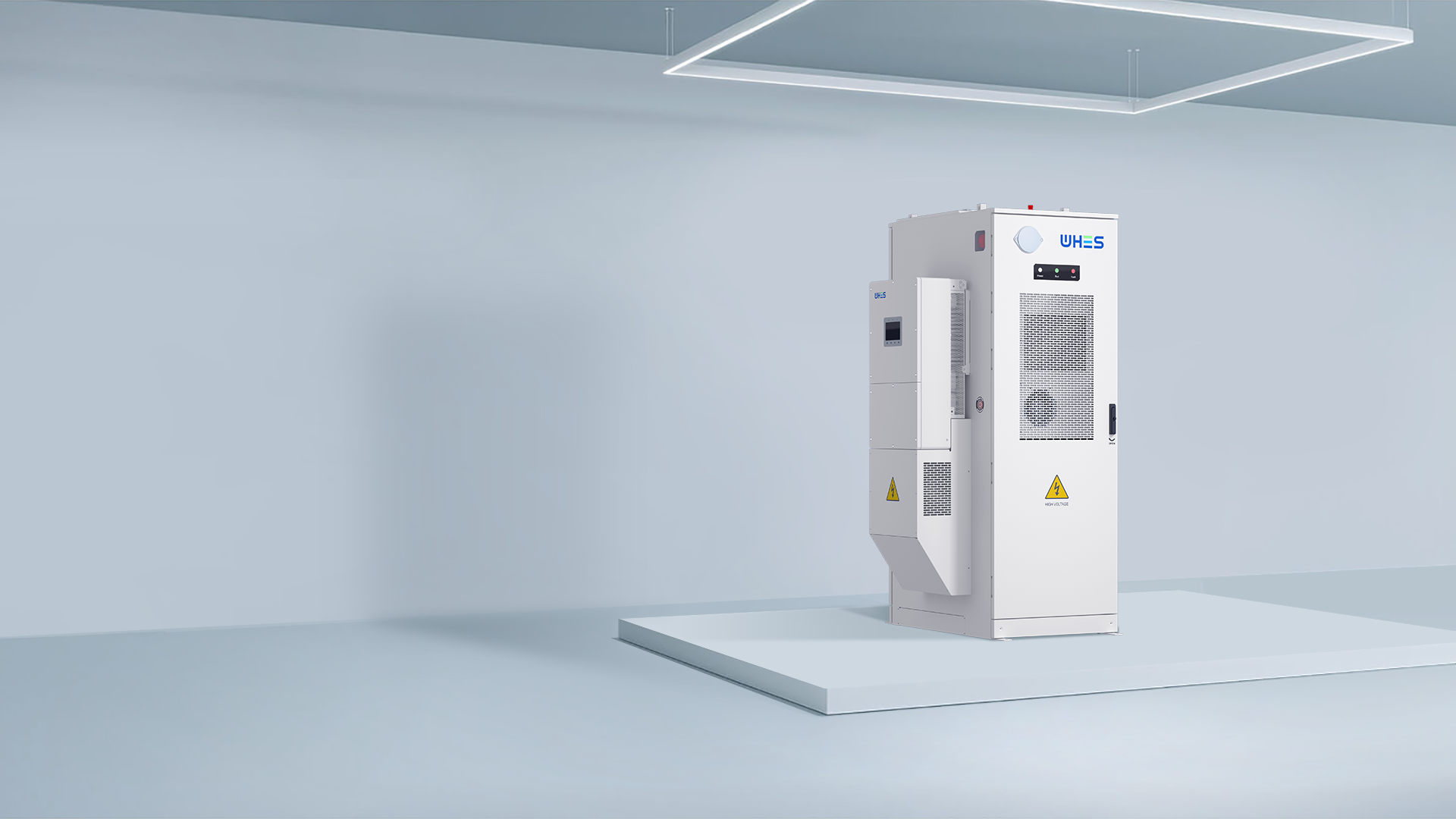
For operators wanting a practical, tested baseline for commercial deployments, that’s where reliable solutions from suppliers with field‑proven performance come in — and it’s why teams often end up working with providers like WHES who document droop, inverter limits and islanding behaviour as part of the package. —