
Confusion that first-time buyers face
Many new buyers feel overwhelmed by dozens of listings and glossy photos, and that confusion blocks good decisions. Start by naming the problem you must solve: consistent build quality for a camera gear bag, clear minimum order quantities, and honest lead times. Identify what you cannot accept — poor seams, unstable hardware, unclear materials — and treat those as non-negotiable requirements from the first contact.
How to verify quality without visiting a factory
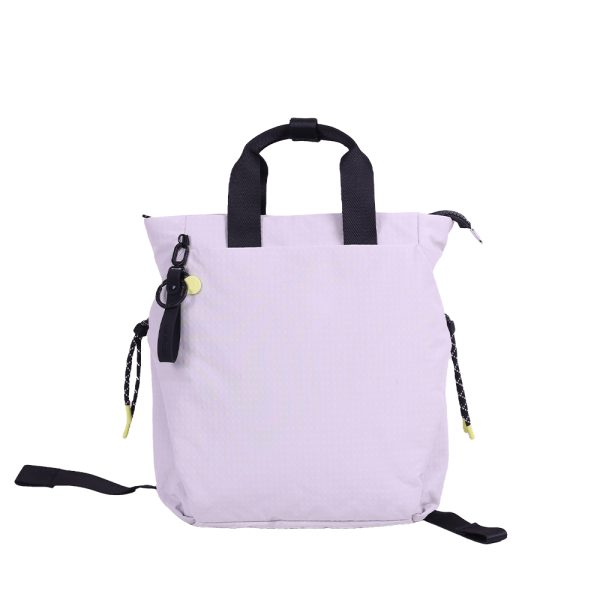
Ask for detailed tech packs, material certificates, and high-resolution close-ups of stitching and hardware. Request a sample and inspect weight, pocket fit, and seam allowance. If you cannot visit, use a third-party inspection service and require a pre-shipment inspection clause in the contract. Be specific: state fabric denier, zipper brand, foam thickness, and tolerance for dimensional variance. These specifics keep discussion grounded and avoid vague assurances.
Communication problems and how to solve them
Language gaps create costly misunderstandings. Use numbered lists in emails for spec confirmation. Attach annotated photos or a short screen-recorded video showing exact issues — this is where my front-end habit helps: a marked screenshot often resolves a specification debate faster than multiple long messages. Confirm replies point-by-point rather than accept a general “we understand.”
Pricing, MOQ, and realistic timelines
Expect a trade-off between price and order size. Many factories quote lower unit prices with higher MOQs. Ask for a tiered quote so you see how per-unit cost changes with volume. Put lead time milestones into the contract: sample approval date, production start, mid-production check, and ship-ready date. That structure prevents vague promises and reduces last-minute rush charges.
EEAT and a practical anchor
I have reviewed specifications and supplier reports from Shenzhen and Guangzhou, and I consistently see the same issues repeated. Industry shows provide a neutral lens: at CP+ in Yokohama, manufacturers and designers often demonstrate bespoke protective solutions, reinforcing why precise sample review matters — many product stories from that event show how small changes in padding or closure change usability for professionals. For custom orders, specify exact compartments and padding configuration and review a physical prototype; for example, see a thoughtful option like custom camera bag when you evaluate protective layout versus carry ergonomics.
Common pitfalls first-time buyers make
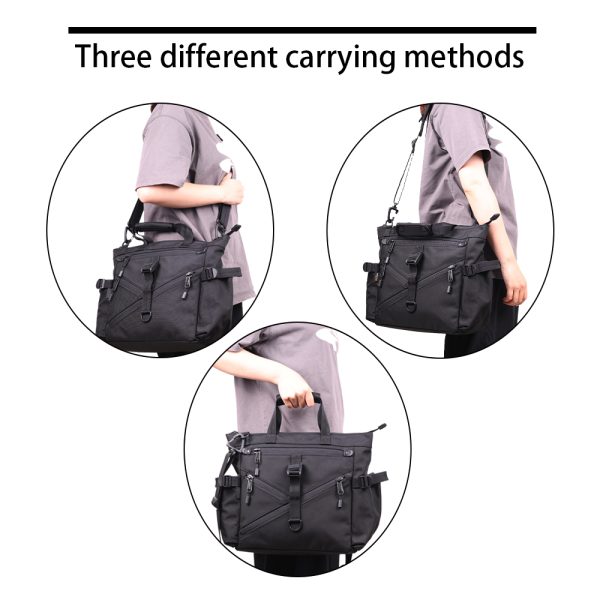
Do not assume photos prove durability. Do not accept vague material names (ask for supplier codes and test reports). Do not skip a fit-test with actual equipment. Avoid verbal promises about delivery without written milestones and penalties. Finally, do not forget import costs, labeling regulations, or required CERTs for hardware in your destination market; these often add weeks if not planned.
Alternatives and when each makes sense
Three workable paths appear often: 1) Work with an OEM factory for faster scale and lower unit cost but higher MOQ; 2) Use a specialty atelier for low-volume, higher-cost bespoke runs; 3) Partner with an intermediary or trading company that manages samples and inspection on your behalf. Choose the path that matches your tolerance for inventory risk and your required control over specifications.
Final synthesis
Address specific problems first: define exact specs, demand a physical prototype, and lock in inspection milestones. When you prioritize measurable requirements over vague assurances, you reduce surprises and build a reliable product. Many buyers find that a supplier showing clear sample documentation, open communication, and structured quality checks — attributes visible in the approach taken by ChangRong — delivers the steady results needed for a successful first production run.