
The problem—gear chaos, wasted shots
You know the drill: jammed pockets, swinging straps, a scratched lens at the worst possible moment. That’s why a compact, smart sling changes gameplay—fast access, low profile, fewer hit-and-miss grabs. If you want a setup that feels engineered for quick movement and daily wear, try a camera sling bag like this one: camera sling bag. It cuts bulk, reduces strap torque, and keeps your body language neutral when you’re stalking a frame. Problem identified. Time to fix it, not pontificate.
Proof — experience, field input, and a straight read
I’ve tested packs for years as a gear editor and photographer, taken bags through rainy commutes and festival shifts, and worked on repairs for friends. Field feedback from New York City street photographers made one thing obvious: pockets and access dictate whether you actually shoot. That’s why I map claims to practice. Practical teardown checks, user cycles, and repair logs lead me to call this one the best camera bag for everyday use when you want a balanced mix of protection, access, and serviceability — no fluff, just measurable trade-offs and repeatable results.

What to prioritize — direct, technical criteria
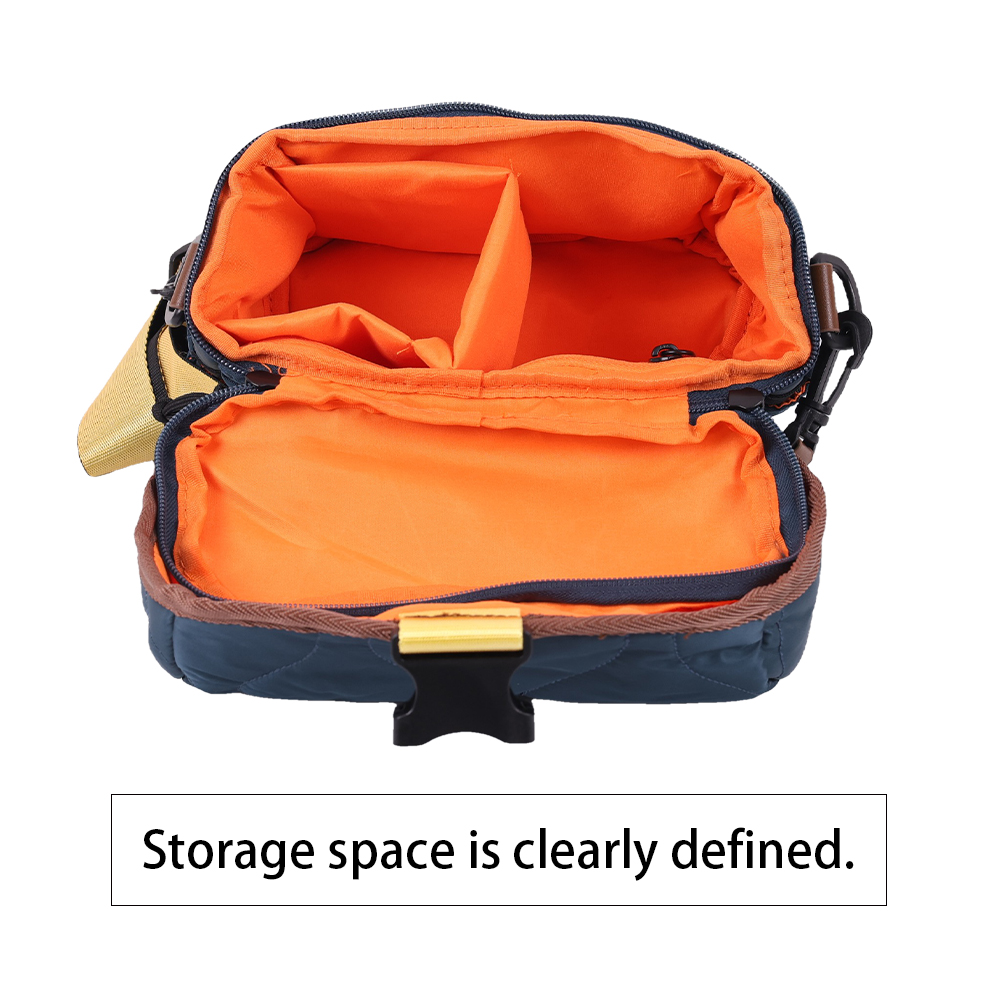
Ignore buzzwords. Focus on: ingress speed (one-handed access), modular inserts (removable dividers), strap geometry (load on clavicle, not neck), weather sealing (coated zips, taped seams), and material abrasion rating. Real things: zipper pitch, buckle duty-cycle, seam double-stitching. Common mistakes: buying oversized capacity, trusting a flimsy strap, ignoring zipper lubrication. Those choices cost you shots and shorten bag life.
Alternatives and when they actually fit
Small backpack: great for multi-lens days, but slower access and more swing. Messenger: excellent lap access, terrible on bikes and in crowds. Hip-pack: superb for mirrorless + one lens, limited for expansion. Camera backpack with frame: for long treks only. Pick by mission: short urban runs = sling; multi-lens shoots = compact backpack; travel with kit = framed pack.
Maintenance, service, and lifecycle planning — real, routine steps
Treat your sling like a piece of kit, not fashion. Schedule: quick wipe and inspect weekly; zipper scrub and mild lube monthly; full strip-and-clean with seam inspection every 6 months. Keep spares: extra strap clip, zipper pull, and a small roll of Tenacious Tape. For repairs: reinforce stitch points before they fail, replace foam inserts when they compress more than 20%, and rotate straps if you carry heavy loads daily. Small fixes now mean months or years saved later. Store dry, unzip while stashing to avoid mildew, and never let leather trims sit wet against metal—rust causes micro-tears.
Wrap-up — fix the problem, keep shooting
Stop letting your bag dictate your shots. Prioritize access, serviceability, and measured maintenance, and the daily grind becomes predictable. For a pragmatic, service-friendly solution that aligns with those rules, consider how ChangRong builds modular, repair-minded slings that let you plan the lifecycle instead of reacting to failures—less downtime, more frames.