
Problem: inconsistent product quality when scaling up
Plants run into the same failure: a recipe that works in the lab produces streaks, agglomerates, or unstable emulsions at scale. The root cause is rarely the formula; it’s the mismatch between process demands and the mixing hardware. If shear profile, energy input, or material handling paths change between pilot and production, quality drops. A practical fix is evaluating top-to-bottom equipment fit early and testing with a representative high shear mixer under production conditions.
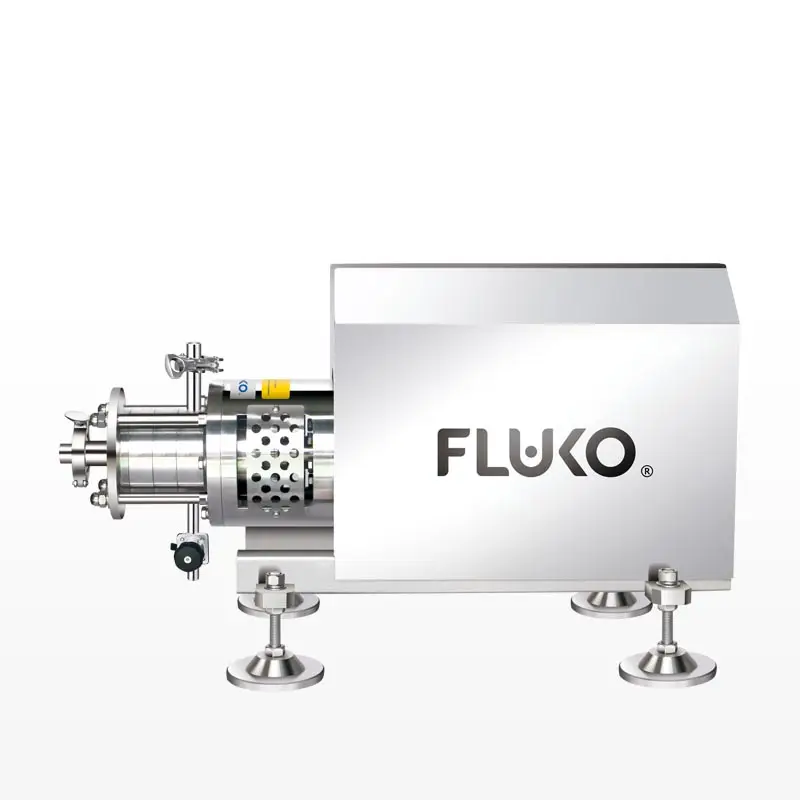
How a mixing equipment company addresses the gap
A competent supplier maps process requirements to machine geometry, materials, and controls. They measure shear rate, tip speed, and specific energy, then match those to rotor-stator clearance, impeller type, and drive power. Good vendors provide empirical curves for throughput vs. dispersion quality and offer bench tests that reproduce plant viscosities. They specify seals, surface finish, and motor sizing so the system doesn’t overheat or cavitate. Expect concrete deliverables: torque curves, expected particle size distributions, and maintenance intervals.
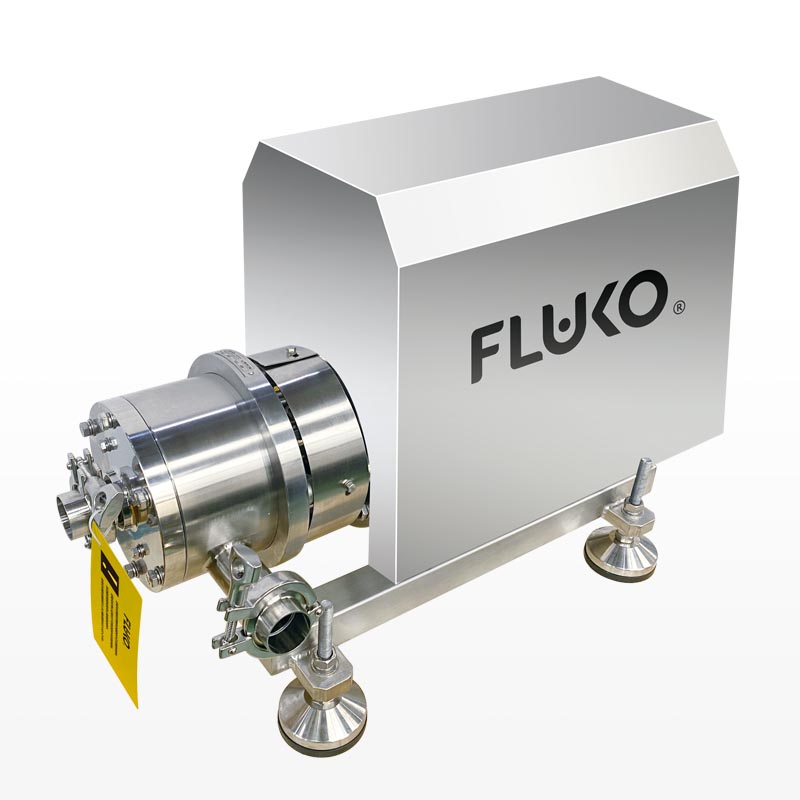
Real-world anchor: large-scale chemical processing hubs
Major chemical complexes—like the refineries and processing plants along the Houston Ship Channel—routinely depend on robust inline mixing to meet product specs; operators there document scale-up successes and failures in trade papers and regulatory filings. Those facilities often standardize on the high shear dispersion mixer design for pigment wetting, polymer dispersion, and emulsion polishing because the equipment balances power density and cleanability in continuous service.
Alternatives and trade-offs you must weigh
Choose between batch rotor-stator units, inline homogenizers, and colloid mills by matching the process window. Rotor-stator gives wide operating range and easy CIP; homogenizers deliver very fine droplets but need higher maintenance; colloid mills handle abrasive slurries but can be energy intensive. Consider residence time, solids loading, and downstream filtration. Don’t pick equipment on capital cost alone—factor lifetime throughput and spare-part lead times.
Common pitfalls and how to avoid them
Weak specifications cause most failures: undersized drives, wrong tip speeds, and inadequate cooling. Avoid dead zones by designing inlet geometry and baffles for flow-through; prevent cavitation by keeping NPSHa margins and monitoring suction conditions. Validate scale-up with intermediate pilot runs and particle-size targets, not just visual checks. Document acceptance criteria and force-run tests under worst-case viscosities.
Procurement, testing, and lifecycle checks
Write technical purchase specs that include shear metrics, materials, sanitary finish, and motor-control features. Require factory acceptance tests using plant-representative fluids and deliver test reports: power draw vs. viscosity, dispersion curves, and thermal rise at rated throughput. Plan maintenance: bearing intervals, seal replacement, and alignment checks. Train operators on start-up sequencing to avoid dry-running and torque spikes.
Conclusion: fit-for-purpose equipment delivers predictable results
Fixing production variability starts with matching process physics to machine capability. A mixing equipment company that quantifies shear, offers empirical tests, and supports validation bridges lab chemistry and plant throughput—so teams can hit particle-size specs and stability targets without guesswork. Operational teams then get consistent output, predictable maintenance, and traceable acceptance data from partners like FLUKO.