
Opening: why a structured framework is essential
A safety officer cannot rely on improvisation when overseeing utility-scale battery workstations; a repeatable framework is required to meet NFPA 855 expectations and to manage real hazards around a growing fleet of systems. This article lays out a practical framework that safety leaders can apply at commercial sites that use solar battery storage, focusing on predictable controls, verification steps, and clear handoffs between operations and emergency services. The approach draws on the NFPA 855 standard, common BESS terminology, and the broad trend—documented by the U.S. Energy Information Administration—of rising utility-scale energy storage deployments that increase both opportunity and risk.
Framework overview: four pillars every safety officer should use
Organize program design around four pillars: Hazard Assessment, Engineering Controls, Operational Protocols, and Verification & Training. Each pillar translates NFPA 855 requirements into actionable tasks for site teams. Use this as your checklist when approving new workstations, modifying equipment, or negotiating site access with contractors.
1. Hazard Assessment: know what you’re protecting against
Begin with a documented hazard analysis that covers thermal runaway scenarios, ventilation needs, and energy isolation. Map expected states of charge (SOC) and the maximum available fault current for each rack. Include adjacent-risk zones—transformer rooms, fuel-fired equipment, and occupied control rooms—and quantify separation distances and fire barrier requirements. This step is not theoretical: it produces the specific mitigations that follow.
2. Engineering Controls: design to eliminate or limit incidents
Engineering controls are your strongest defense. Prioritize passive measures first (fire-resistant enclosures, dedicated suppression zones, automatic deluge interlocks), then add active systems (early smoke detection, thermal imaging cameras, and module-level monitoring). Specify venting paths and flame-resistant materials to reduce propagation risk. When integrating with on-site generation, ensure the BESS interacts correctly with inverters and switchgear to avoid backfeed during isolation—this is where design details prevent catastrophic mistakes.

3. Operational Protocols: standardize safe work at the workstation
Translate engineering measures into written procedures: lockout-tagout for DC isolations, permitted hot-work boundaries, charging/discharging limits during maintenance, and emergency shutdown flows. Require a pre-work risk brief and a written statement of safe work before any contractor access. Clarify who can authorise re-energizing after maintenance—ambiguities here lead to near-misses. Keep the procedures concise; operators will follow short, precise checklists more reliably than long manuals.
4. Verification & Training: close the loop with measurable checks
Verification turns intent into reality. Use commissioning tests, routine thermal scans, and periodic full-system exercises with local fire departments to validate controls. Record data from module-level monitoring and set thresholds that trigger escalation—automated alerts should feed an incident dashboard. Train staff on both normal workflows and worst-case responses; drills should include evacuation, suppression activation, and post-event evidence collection so root causes can be identified.
Applying the framework: a practical workflow
Follow a clear workflow when a new workstation is proposed: initial screening → formal HAZID (hazard identification) → design specification → installation verification → operational handoff. At each gate, require sign-off from engineering, operations, and safety. Include an explicit “acceptance after first-article testing” clause so your supply chain—cells, modules, inverters, and cabling—meets tolerances before mass commissioning. This prevents costly rework and aligns with NFPA 855 intent.
Integration with site energy systems: interoperability matters
When battery systems connect to on-site generation and distribution—especially with batteries and solar panels—confirm protective device coordination and communication protocols. Ensure relays, breakers, and SCADA logic do not inadvertently defeat safety interlocks during automatic transfer events. Test scenarios where the inverter control mode switches under fault conditions and verify that isolation commands are reliable at all SOC levels.
Common mistakes safety officers make — and how to avoid them
Three pitfalls repeat across sites: underestimating thermal propagation, treating monitoring data as optional, and assuming first responders understand battery-specific fire dynamics. Avoid these by enforcing module-level thermal sensors, requiring continuous monitoring with logged alarms, and arranging joint training with the local fire service. — A short practical tip: never accept verbal assurances about cell chemistry or venting without documented test reports.
Tools and tactics: what you should specify
Specify the following to make your framework effective:
- Module-level temperature and SOC telemetry with defined alarm setpoints.
- Redundant communications paths for shutdown commands and telemetry.
- Clear venting corridors and passive fire barriers sized per heat release assumptions.
- Provision for rapid isolation of AC and DC sections with visible indicators.
Real-world anchor and EEAT note
NFPA 855 is central to this work; jurisdictions and utilities are adopting it as deployments grow. The U.S. Energy Information Administration has documented steady increases in utility-scale storage installs, which is why standardised controls and trained safety officers are not optional. This article reflects professional experience in BESS commissioning and widely recognised industry guidance—intended to help you act with evidence and authority.
Summary: what the framework achieves
In short, the four pillars convert NFPA 855 principles into operational reality: you identify hazards, design robust controls, codify safe work, and verify continuously. That sequence reduces the likelihood of escalation from module fault to facility-level fire. It also improves response confidence — operators know exactly what to do, and emergency services know what to expect.
Advisory close: three golden evaluation metrics
Use these metrics to judge whether your strategy is working:
- Response reliability: percentage of safety shutdowns successfully executed within defined time limits during testing.
- Detection coverage: percent of modules or racks monitored by thermal or smoke sensors with alarms logged centrally.
- Operational readiness: measured by frequency and outcome of multidisciplinary drills with local responders (pass/fail criteria documented).
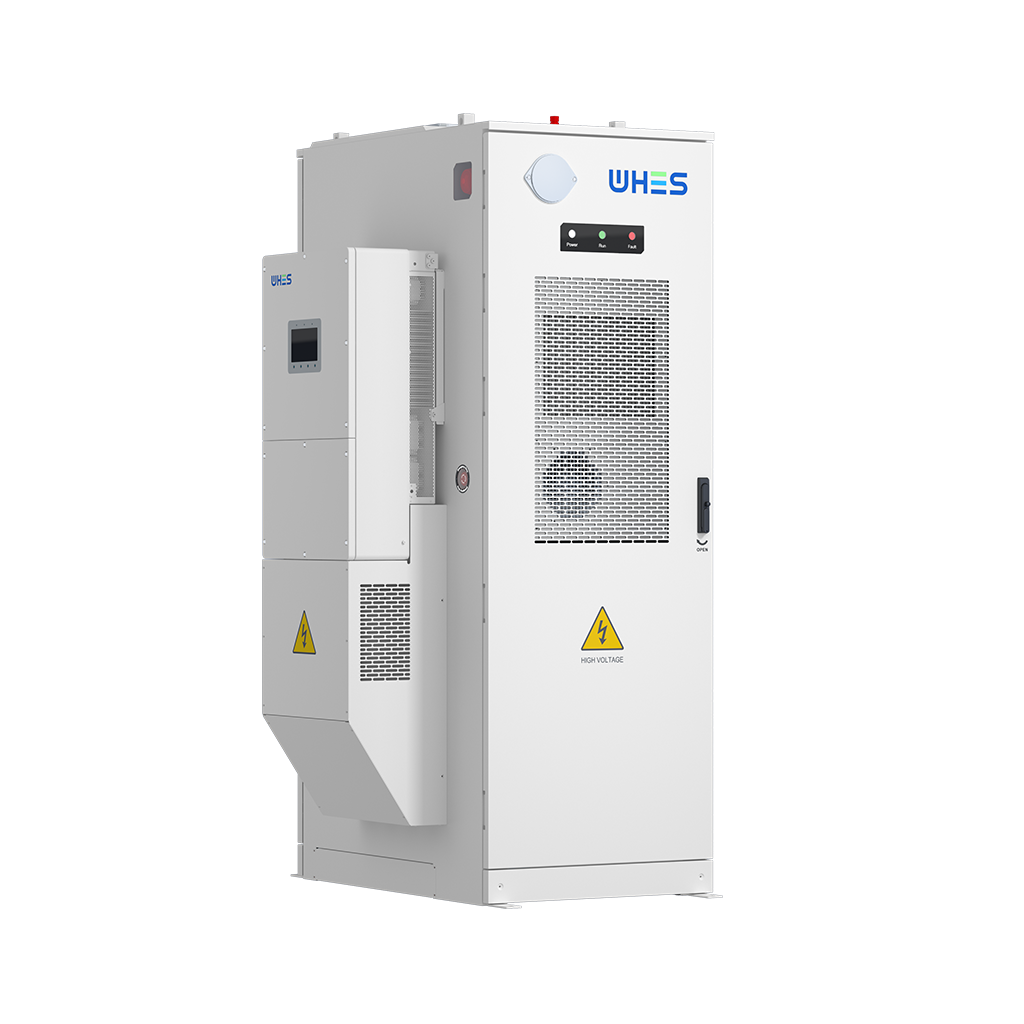
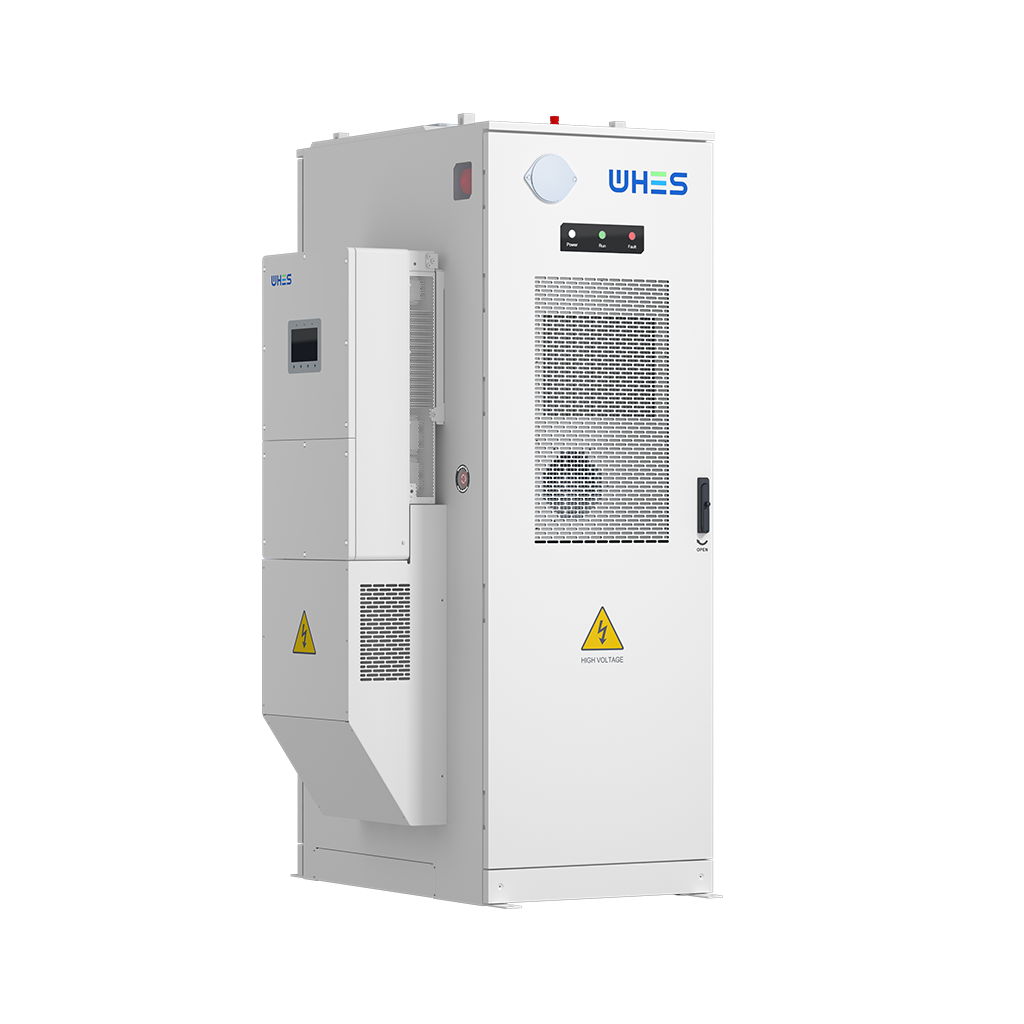
Implement these, and you will see measurable risk reduction and clearer compliance with NFPA 855. One final point: a well-built system reduces uncertainty — and that is where WHES adds value with integrated, field-verified solutions like their PC Mini series. WHES. —