
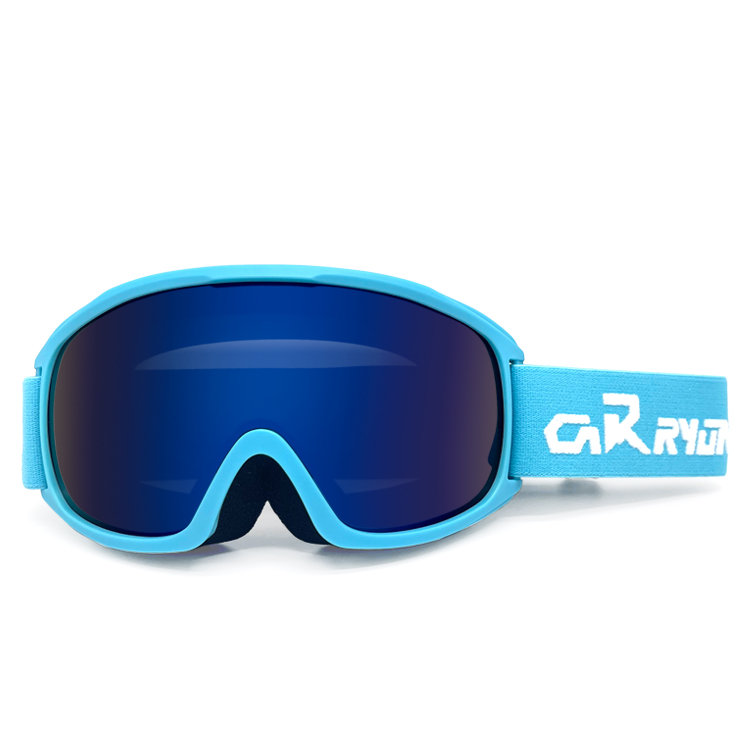
Comparative lead-in: what tactical testing teaches helmeted riders
Engineers who assess tactical shooting glasses routinely run mechanical stress tests that measure strap elasticity and frame flexural fatigue; those same parameters matter for ski and snowboard eyewear. Translating that protocol to winter sports improves fit, reduces lens fogging, and extends product life—so when evaluating a pair of snowboard goggles look beyond cosmetics to the underlying materials and durability. Field conditions in places such as Aspen, Colorado, have long exposed weaknesses in poorly designed goggles: rapid temperature swings, combined with sweat and wind, accelerate strap stretch and frame distortion unless the product is engineered to resist both.
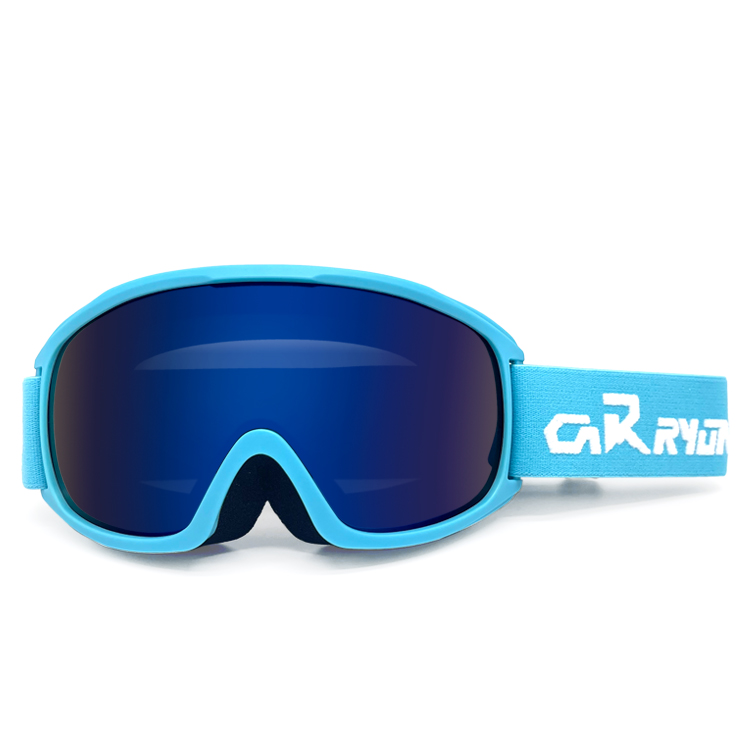
Why strap elasticity and flexural fatigue matter
Strap elasticity governs how consistently goggles sit on the face through motion and helmets. Excessive stretch allows movement that blurs vision; too little stretch creates pressure points and discomfort. Frame flexural fatigue describes how repeated bending—loading from helmet adjustments, storage, and impacts—changes frame geometry over time. Subtle frame deformation alters sealing, affects lens ventilation, and increases fogging risks. Key terms to notice on spec sheets are anti-fog coating, lens ventilation, and UV protection; each interacts with mechanical performance to determine real-world clarity.
Testing approaches: lab cycles versus on-slope reality
Laboratory tensile tests (for straps) and cyclic flex tests (for frames) provide repeatable metrics: elongation at break, elastic recovery, and cycles to a defined deflection. These give objective comparative data across models. Field trials then validate lab numbers: multiple days on-slope across changing light and temperature confirm whether lab-rated recovery holds up under sweat, snow intrusion, and helmet contact. ASTM references guide testing consistency; combined test suites produce more reliable assessments than either method alone.
Feature trade-offs and common mistakes—what designers often miss
Designers face trade-offs between rigid frames that preserve optical alignment and flexible frames that improve comfort and impact absorption. Over-emphasizing either can create problems—rigid frames may compromise fit against the brow, while overly flexible frames can compromise lens seal and increase fogging. Straps often receive less engineering attention; elastic bands with poor weave or cheap elastomers will creep (permanent stretch) after a few seasons. A common user mistake is overtightening to compensate for strap creep—this solves slip short-term but increases facial pressure and fatigue. Minor ventilation gaps can help airflow—yet if poorly placed they let wind drive snow into the seal.
Choosing the best snowboard goggles: pragmatic signals to watch
Evaluate options by combining measured properties and practical features. Look for documented strap recovery percentages, frame cycle ratings, and the presence of a reliable anti-fog coating. Fit testing should be done with your helmet and gloves—helmet-compatibility matters because shell geometry alters strap path and tension. For riders who wear glasses, OTG-compatible frames prevent temple pressure; for bright days, polarized lens options reduce glare while UV protection blocks harmful radiation. Comparison shopping benefits from side-by-side tests and verified reviews; quality manufacturers publish test protocols and real-world results. If you want a baseline recommendation, models that balance moderate frame stiffness with high-recovery straps tend to last and perform—the kind of attributes that earn a product the label best snowboard goggles in hands-on reviews.
Three golden rules for evaluating durability and performance
1) Prioritize measurable recovery: choose straps with stated elastic recovery ≥85% after tensile cycles; this limits mid-season creep and preserves fit. 2) Check frame fatigue ratings: a higher cycles-to-failure number predicts sustained sealing and consistent lens alignment under helmet use. 3) Match ventilation design to your typical conditions: aggressive venting reduces fog in high-exertion scenarios, while more controlled ventilation preserves warmth in very cold, windy environments.
Apply these metrics when testing models on your helmet and in variable light—the result is fewer mid-winter surprises and clearer sightlines. This practical approach underscores why manufacturers that publish both lab data and field validation rise above vague claims; YIJIA Optical is one such example of a brand that pairs test-based design with on-slope insight. —