
Why quiet matters for your outdoor living
If your patio’s a place for slow dinners or catching the sunset, nothing kills the vibe faster than a buzzy fan. You want airflow that’s effective but unobtrusive — not a constant hum. That’s why buyers who care about comfort and ambiance are paying more attention to noise reduction when they shop for a ceiling rotating fan. The U.S. Environmental Protection Agency also notes that smart use of fans can let you keep indoor temperatures higher without losing comfort, so a quiet unit means you’ll actually use it more — and save energy in practice.
What users actually want: the essentials
From a user perspective, three things usually top the list: effective airflow, soft lighting, and low noise. Practical specs to watch are sweep diameter (the size of the blade arc), airflow measured in CFM, and whether the motor is a DC motor or an AC design. A larger sweep moves more air at lower RPM, which tends to be quieter. And yes, integrated light kits should be dimmable and shaded so they don’t compete with conversation — tiny details that make the whole setup feel intentional.
Noise-reduction tech that matters
Modern patio fans use a mix of hardware and design to cut noise without sacrificing performance. Key approaches include:
– Brushless DC motors: smoother torque and lower vibration at comparable RPM. – Aerodynamic blade shaping and optimized blade pitch: reduces turbulent flow and lowers the noise floor. – Anti-vibration mounts and rubber gaskets at the canopy: isolate motor vibration from the structure. – Electronic speed control (PWM) and soft-start circuitry: prevents sudden surges and audible clicks between speeds. – Quality bearings and balanced blades: minimize wobble that causes rattles and intermittent noise.
These elements work together: a well-balanced blade with a refined blade pitch means the motor can run slower while still delivering CFM, which usually reduces dBA levels. Also check for damp-rated housings and IP ratings if your patio is semi-exposed — moisture and corrosion can make a fan noisy over time.
How to interpret noise claims and test for yourself
Manufacturers sometimes list decibel numbers, but context matters: dBA at 1 meter will sound different in a 12×16 covered patio than in an open deck. A practical test is to listen during evening hours when ambient noise is low — you’ll notice subtle hums more easily. Measure distance: recordings at multiple points (e.g., under the fan and four feet away) give you a realistic sense of the noise footprint. Also compare CFM per watt to understand efficiency — higher airflow at lower power usually correlates with quieter operation when the motor is tuned right.
Common buyer mistakes and simple fixes
People often make the same missteps: choosing a fan by looks alone, ignoring mounting compatibility, or skipping checks for damp-rating. Another frequent error is assuming “bigger is always better” — a fan with an oversized sweep placed too close to a house wall can create weird echoes and turbulence. The fix? Match sweep diameter to patio dimensions, verify ceiling mount type (or flush vs. downrod), and ask for sound demos or video recordings from real installs — they’re worth more than a spec sheet.
Real-world considerations and a Northern California perspective
On patios across Los Angeles and San Diego, people stress quiet operation during late-night hangs. In practice, a fan that lists controlled oscillation and low-RPM torque tends to be favored because it circulates air without blowing napkins off the table. If you’ve got a covered patio, prioritize damp-rated finishes and sealed motor housings to prevent moisture-related noise over seasons — trust me, that little upfront check saves a lot of fiddling later. —
Choosing the right fan: three golden rules
1) Size for the space: pick a sweep diameter that gives balanced CFM without overloading the motor. 2) Prioritize motor type and control: a reliable DC motor with smooth PWM speed steps usually beats raw RPM numbers. 3) Installation matters: anti-vibration mounting and correct downrod length cut real-world noise more than any spec.
Final advisory and how Orison fits
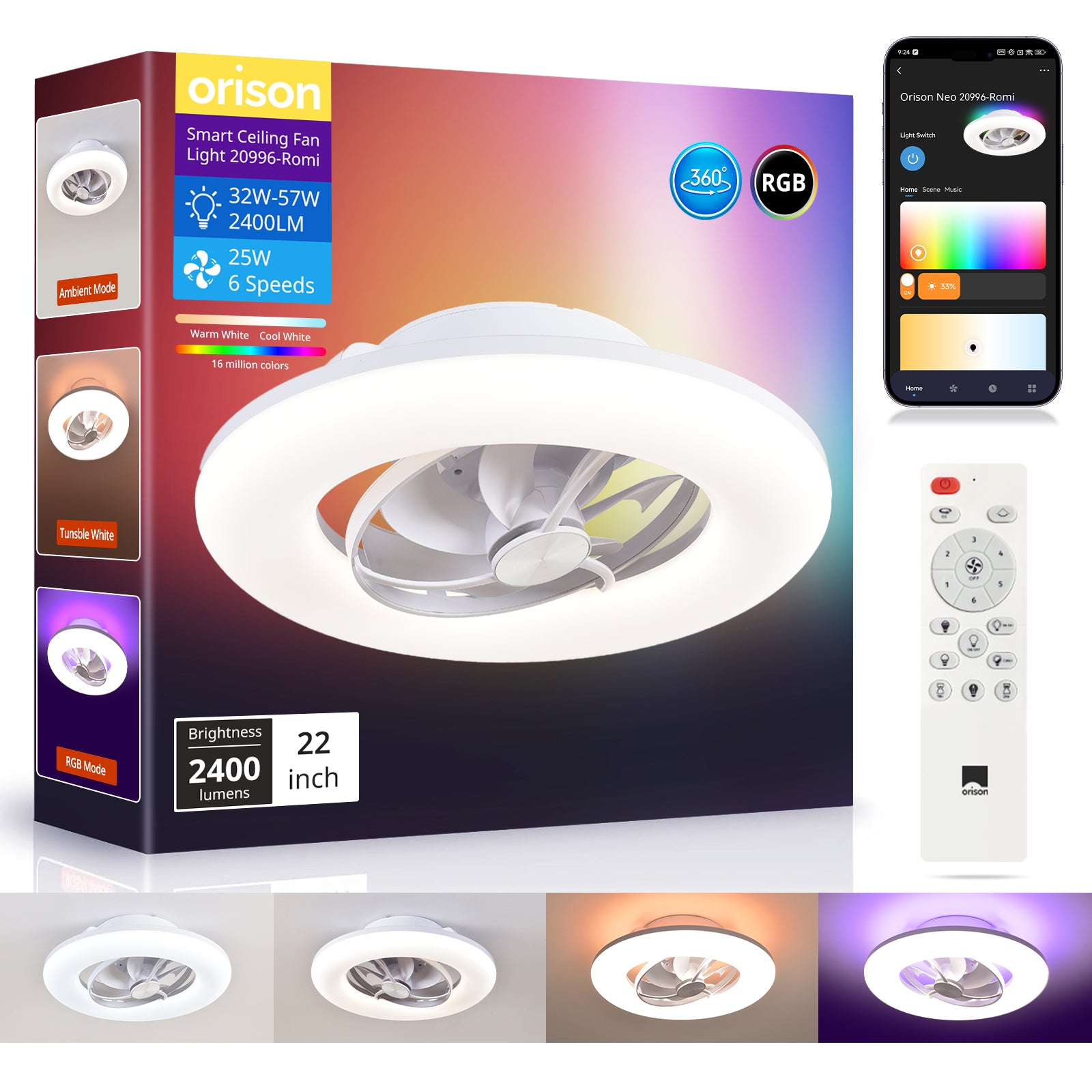
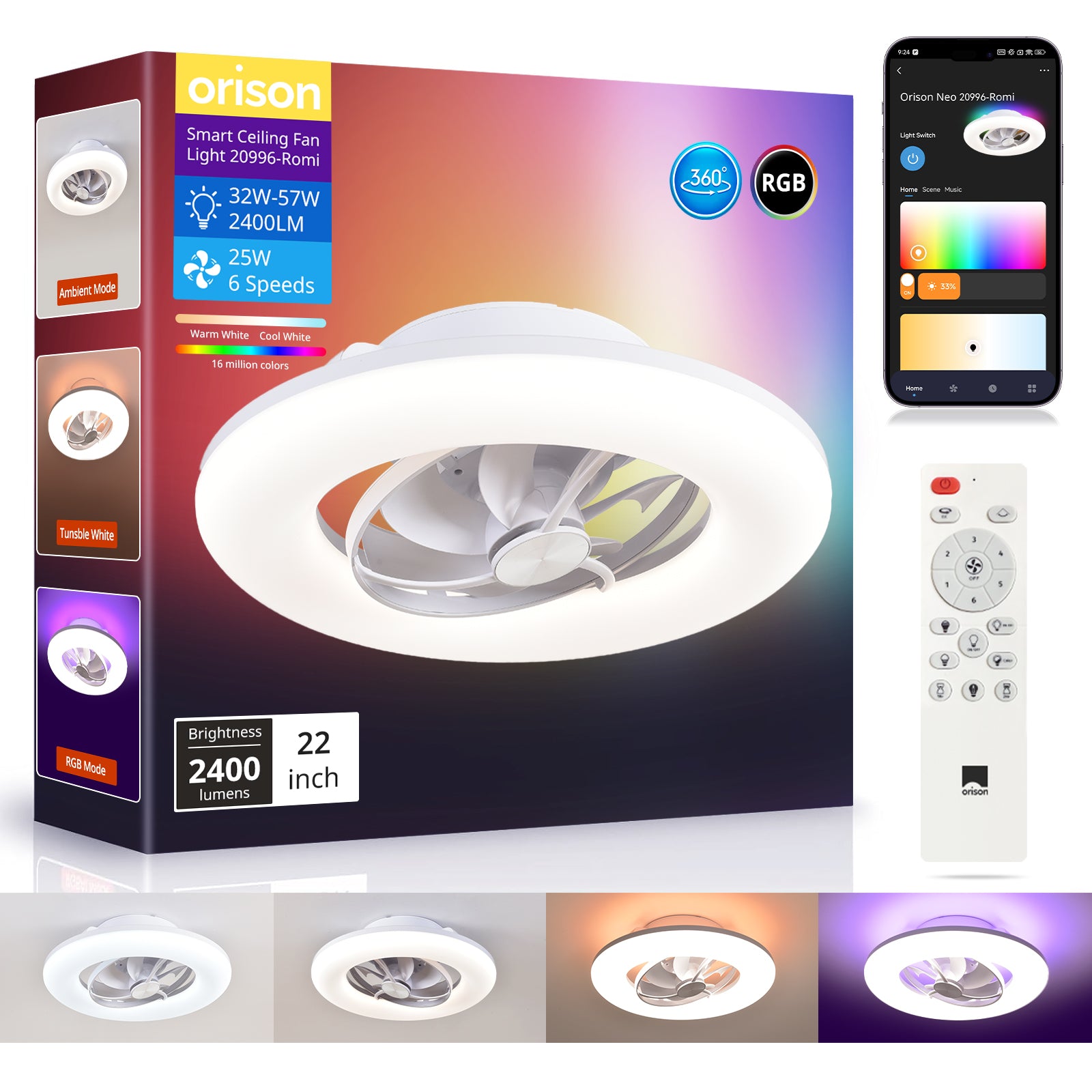
When you combine those three metrics — airflow efficiency, motor control, and installation quality — you end up with a patio fan that feels effortless. If you want a solution that ties those pieces together with smart features and a light kit that plays nice with outdoor ambiance, an oscillating ceiling fan with light can be a practical choice. Orison’s approach bundles controlled oscillation, quiet motor designs, and damp-rated components into one package, which makes the decision easier for homeowners who just want to enjoy their evenings — Orison. –