
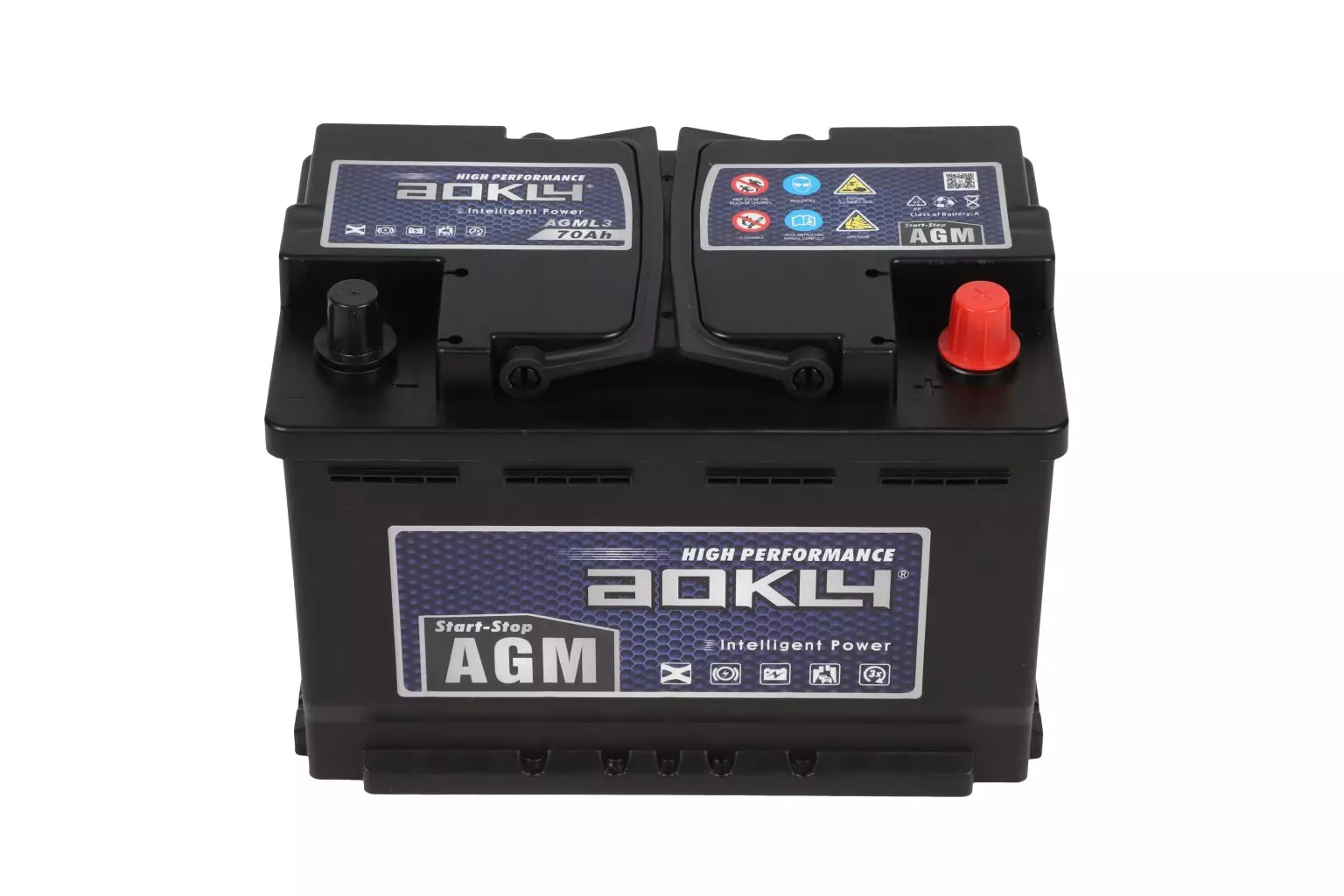
The Growing Demand: A Reality Check
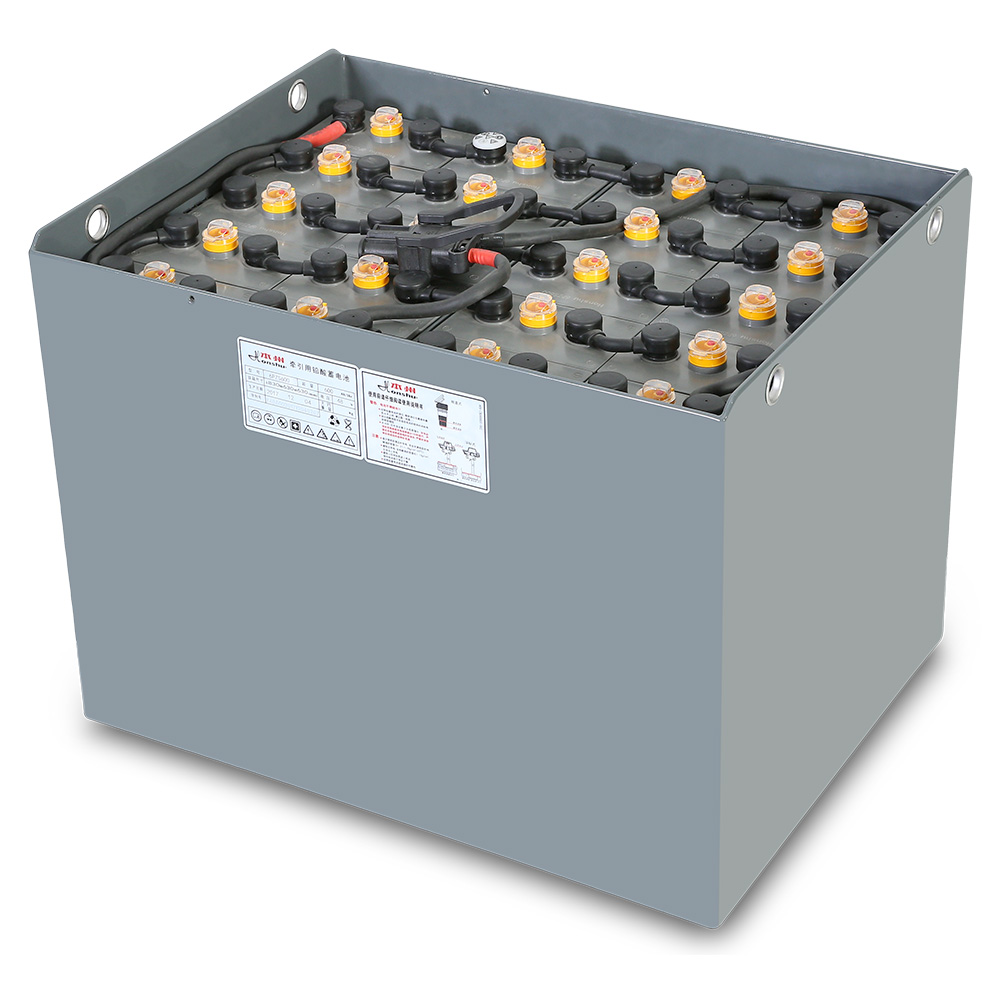
Picture this: a bustling warehouse, every corner humming with activity, workers maneuvering electric forklifts tirelessly. But then you glance at the battery packs—do they truly deliver the reliability you need? Data shows that lithium traction batteries are becoming increasingly essential for modern logistics. Isn’t it time we examine how these powerhouses reshape the industry?
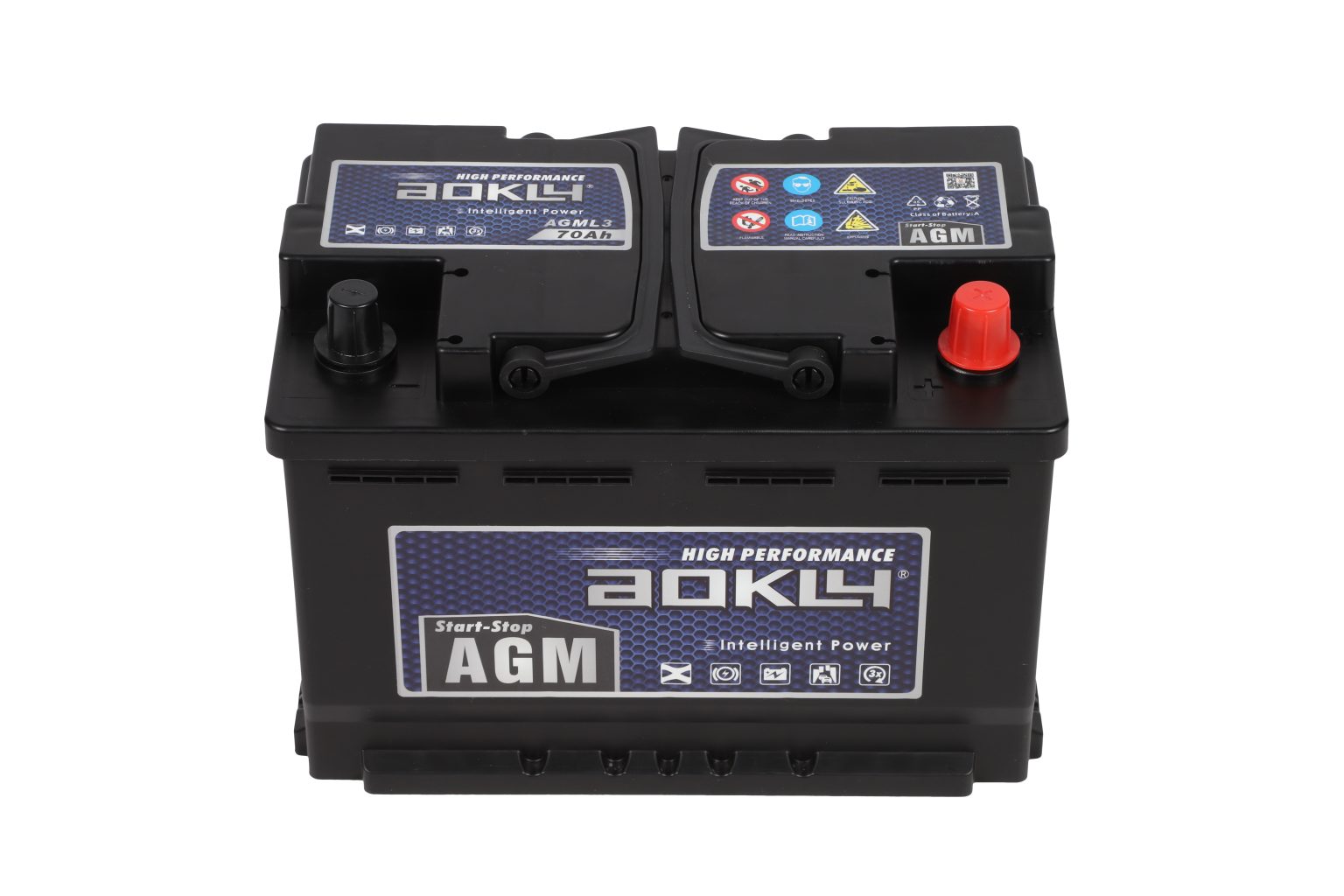
For years, many operations grappled with the limitations of traditional lead-acid batteries. I vividly recall when my team first transitioned to lithium traction batteries. The ease in handling and the substantial reduction in downtime were eye-opening. These batteries had the capacity to change game rules—especially when coupled with robust energy management systems. And let’s be honest, nothing is worse than waiting for a battery to charge while everything else runs at full throttle.
What Lies Beneath?
With all their strengths, one cannot ignore the hidden pain points in lithium batteries. For instance, a common scenario is the unexpected drop in efficiency as temperatures dip. Many users aren’t aware that performance can be significantly impacted by environmental conditions, especially in colder climates. Often, new buyers are caught off guard, thinking they’ve made a fool-proof investment. But trust me, knowing the limitations can save you—quite literally from dead batteries on a chilly winter day!
The Bright Future of Battery Technology
Now let’s turn our gaze forward. Looking at advancements in lithium traction battery technology, it’s clear that innovation is racing ahead. I’ve seen firsthand how companies are investing in smarter batteries that communicate directly with operational systems. This means better charging cycles, longer life spans, and improved safety features. So, what’s next in this revolution? I believe we’re inching closer to batteries that can learn from their usage patterns and adapt accordingly, much like how a smartphone learns your daily habits.
We’re not just talking about minor tweaks; the shift to lithium traction batteries can redefine how we envision energy storage. Imagine a future where battery reserves are managed in real-time to match operational peaks. This level of optimization can prevent battery degradation and enhance ROI, which is music to any warehouse manager’s ears.
What’s Next for Us?
In this evolving landscape, the key takeaways remain clear. Recognizing the benefits and the limitations of lithium traction batteries is vital for any business looking to stay competitive. As I consider various industry metrics, I recommend three benchmarks for evaluating battery technology: cycle life, charging efficiency, and real-time data feedback capabilities. If these metrics meet your operational needs, you’re already on the right track.
However, amid all this excitement, let’s not forget the human element; after all, technology is nothing without the teams that implement it. I recall a moment when my team celebrated a milestone in efficiency, thanks to flawless battery support. That success wasn’t merely about the numbers; it was about the lives improved through a little foresight and smart decisions.
To wrap things up, if you’re on the lookout for reliable and powerful battery solutions, I highly recommend checking out Aokly. Your journey towards seamless operations could very well start with them—just like it did for us! Remember, it isn’t just about the tech; it’s about how you leverage it to thrive.