
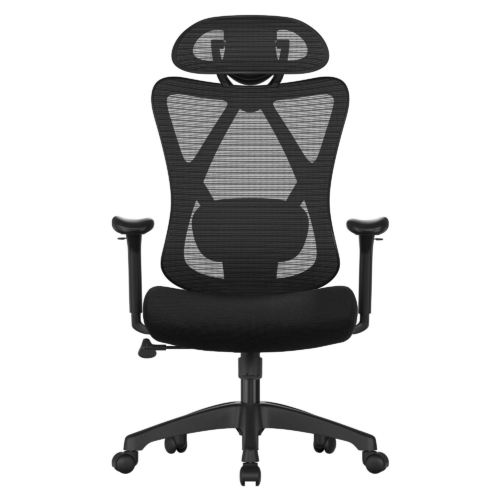
Why Smart Buyers Compare More Than Price
Monday morning. Your team opens a shipment, and three chairs wobble before lunch. The office chair manufacturer sent what matched the spec sheet—but not the real use case. Last quarter, facilities flagged a 27% uptick in seat-pan returns within nine months, mostly from failed gas lift cylinders and noisy casters. So ask yourself: are you comparing what matters, or what’s easy to see?
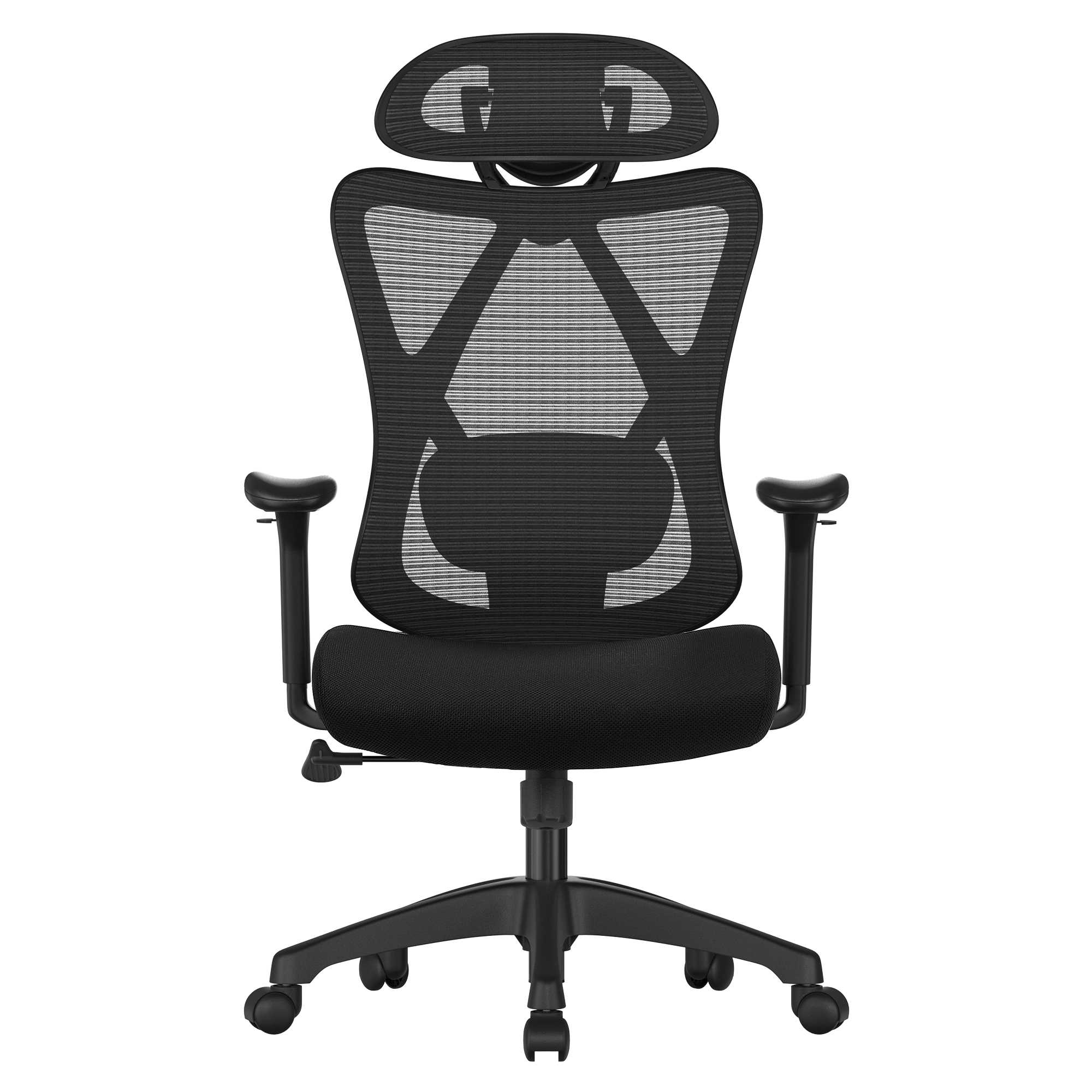
Here’s the twist: quick wins hide slow losses—funny how that works, right? Price per unit looks clean, but downtime, warranty loops, and mismatched ergonomics creep in. The fix takes a shift in mindset. Think lifecycle, not launch; think measured performance, not glossy claims. We’ll map the gaps, weigh the trade-offs, and set clear checks you can run before your next order—so your chairs work as hard as your team.
Where Traditional Buying Falls Short in Wholesale Decisions
What are the hidden costs you don’t see?
Most buyers start with volume and a quick quote for office chair wholesale. Look, it’s simpler than you think: pallets fit, cartons stack, and the spreadsheet smiles. Yet common pain points sit under the surface. Mixed batches lead to inconsistent tilt tension across SKUs. Mesh density varies by mold and mill lot, so breathability shifts over time. Color drift between production runs breaks brand uniformity. And when the gas lift cylinder grade isn’t pinned to a BIFMA test report, early sag shows up in clusters. Those are not line items on the quote—but they show up on your support tickets.
Legacy buying also confuses spec with outcome. A “steel base” says little about the gauge, finish, or salt-spray rating. “PU leather” can mean five different abrasion scores. Without torque specs on arm fasteners, you get loosened joints after two moves. Then the operational tax lands: slow RMA cycles, missing spare parts kits, and no swap-friendly design. If the supplier skips lot traceability, you can’t isolate a bad batch fast. Traditional bids focus on FOB price and container fill rates; resilient programs include injection molding variance controls, tilt lock durability cycles, and cold-cure foam density checks. The difference shows up six months later—and yes, it matters.
The Next Wave: Tech Principles That De-Risk Your Sourcing
What’s Next
To move past those gaps, compare by systems, not slogans. New lines use QR-based traceability tied to torque tools at each station, so every arm, caster, and backrest has a history. Vision systems catch stitching drift and mesh sag in real time. Digital lot cards link gas lift cylinder grades to specific BIFMA cycle data, not general claims. Robotic welding tightens base tolerances; automated foam pour tracks density by time stamp. When you review office chair supplies, ask how they validate tilt mechanisms under cyclic load and how they lock in caster hardness across batches. This is not overkill; it is how you avoid silent failures and costly replacements.
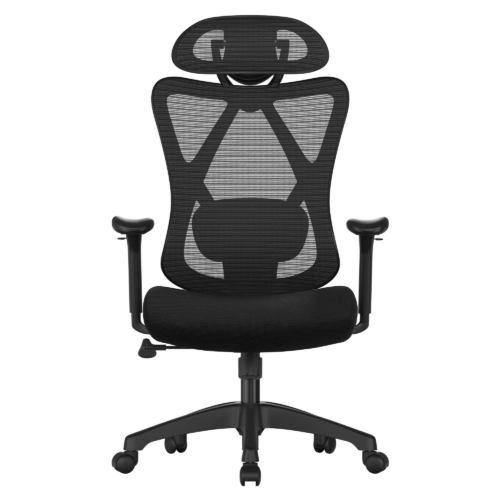
Sustainability is shifting from talk to tooling. Resin blends now include recycled nylon with controlled moisture content for consistent injection molding flow. 3D-knit backrests reduce cut loss and improve fit, while keeping tensile strength tight. Predictive QA flags outliers using simple control charts—no edge computing nodes needed. And modular platforms make field repairs faster, which cuts waste and downtime. Compare suppliers on their failure mode effects analysis, not just their color card. Does their lab run salt-spray, drop, and squeak/creak tests? Do they publish torque specs and fastener grades? Small details, big wins—funny how that works, right?
Let’s keep it practical and forward-looking. Here are three metrics to weigh before your next buy: 1) Lifecycle score: verified BIFMA cycles for seat, tilt, and arm, plus a spare-parts SLA in days, not weeks. 2) Variance control: Cpk or similar process capability on foam density, mesh elongation, and caster hardness. 3) Total ownership math: assembly minutes, swap-friendly design, and a 12‑month RMA rate with lot traceability. Measure these, and the noise around price gets quiet. You’ll get fewer returns, less wobble, and better morale. When the chairs help people focus, the work shows up. That’s the point. SONGMICS HOME B2B