
Which assumptions can distort a Pcs Module decision? Start with supplier questions for early research
Early research can make a pcs module decision look simpler than it is. A system integrator may see a familiar product label, assume a standard application, and move directly to a shortlist. A stronger approach starts with questions. What operating context must the supplier address? What does the page actually state? Which requirements belong to the project rather than to the product category?
Clarify the decision before comparing suppliers
Define the decision in project terms before reviewing model names. Record the intended application, the role of the conversion equipment, the installation environment, and the interfaces that must be discussed later. The official page places PCS modules in commercial and industrial energy storage work and describes their use by system integrators. That gives useful scope, but it does not turn every possible project requirement into a confirmed product attribute.
Separate three levels of information in your notes. The first is page evidence, such as an application statement or a named operating capability. The second is a project requirement, such as a planned operating mode or integration boundary. The third is an assumption that still needs a supplier response. This separation prevents a broad product description from being treated as a complete technical specification.
Build a concise comparison framework
A practical framework should compare evidence, not marketing impressions. Start with the question each supplier must answer. Then record the exact wording that supports the answer, the project requirement it relates to, and the point that remains unresolved. Keep application scope visible beside each note. A statement about commercial and industrial energy storage should not automatically be extended to a different system context.
For an early supplier screen, ask about operating conditions, control expectations, system boundaries, and the information needed for integration planning. Do not assume that two suppliers use the same meaning for terms such as modular, scalable, intelligent, or efficient. Those words can help identify topics for discussion, but they are not substitutes for a requirement-by-requirement response.
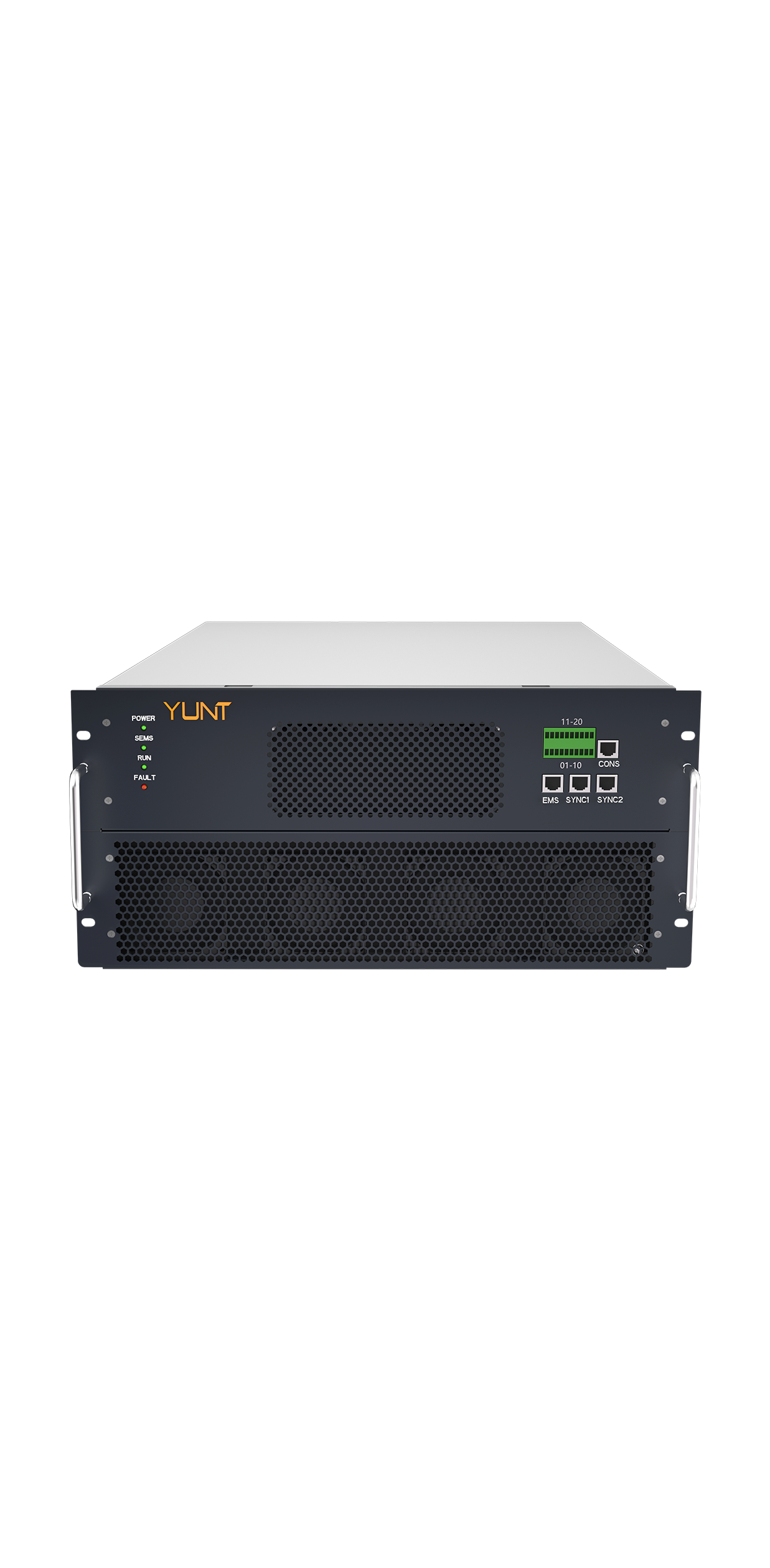
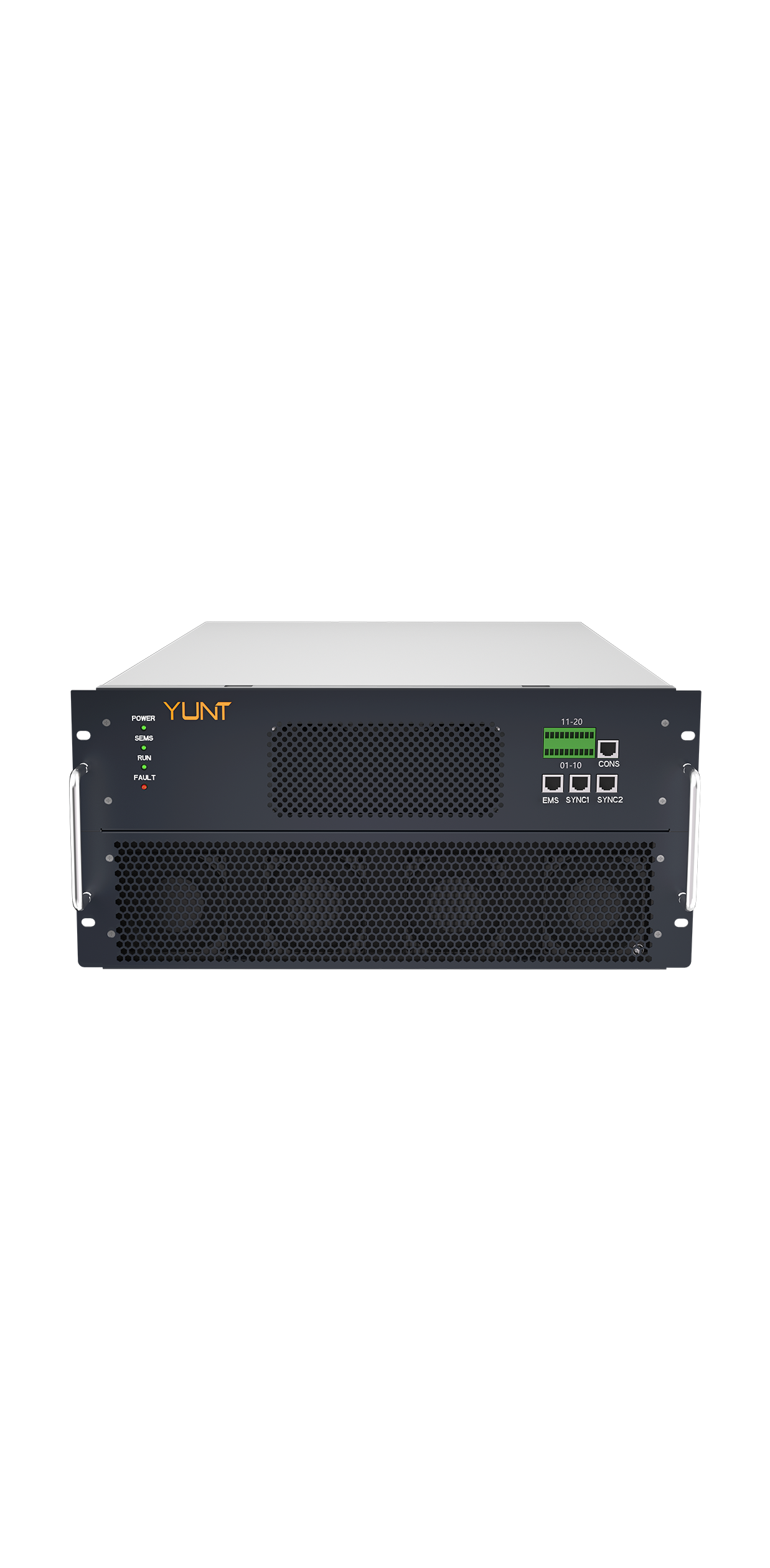
A useful example comes from the official page for the Mars Series PCS modules. It states that these modules are engineered for complex grid conditions and demanding operating scenarios, and that the solution supports HVRT/LVRT, black-start capability, and off-grid parallel operation for weak-grid environments. This is a bounded example of what a bidirectional power module supplier may present as an application capability. It should be used only for the stated Mars Series PCS module scope; it does not establish performance or suitability beyond that scope.
Use supplier questions to expose hidden assumptions
Turn each assumption into a direct question. Instead of writing “suitable for the site,” ask which operating scenario the supplier is addressing. Instead of writing “integrates with the system,” identify the interface, control responsibility, and required information. Instead of treating a product family description as proof of fit, ask which specific model or configuration applies to the intended project.
- Check whether the supplier evidence identifies the relevant commercial or industrial energy storage context.
- Record named operating capabilities separately from broad product descriptions.
- Limit each conclusion to the product and application scope stated by the supplier.
- Keep company statements about energy storage power conversion technologies separate from project-specific requirements.
This method also improves comparison quality. One supplier may describe a product through applications, while another may emphasize control functions or system architecture. The headings will differ, but the decision record can remain consistent. Capture the supplier’s wording, then map it to the same project question. Mark unsupported conclusions as open items rather than filling the gap with a plausible assumption.
- Does the supplier statement identify the relevant commercial or industrial energy storage context?
- Does the evidence name the operating capability being considered, rather than relying on a broad adjective?
- Is the conclusion limited to the product series, application, and operating scope actually described?
- Can the unresolved question be carried into the next procurement discussion without changing its meaning?
Avoid unsupported conclusions
Early research often fails when a true statement is expanded beyond its boundary. A supplier may describe research and development in energy storage power conversion technologies, or refer to C&I PCS modules and microgrid solutions. Those statements can help establish the subject of the discussion. They do not, by themselves, confirm a certification, a site outcome, a safety rating, a delivery commitment, or compatibility with a particular system.
Keep those distinctions in the comparison record. Use “stated on the page,” “required by the project,” and “open supplier question” as separate fields. This simple structure makes review easier for engineering, procurement, and project management teams. It also reduces the chance that a preliminary interpretation will appear later as an approved requirement.
Carry the requirements into procurement
Once the questions are organized, turn them into a focused sourcing brief. Include the intended application, the operating scenarios under review, the interfaces that require discussion, and the evidence boundaries for every conclusion. Ask suppliers to respond against the same structure. A concise brief is more useful than a long list of unranked features because it shows which answers affect the decision.
Before issuing that brief, review every strong adjective and every implied promise. Replace “best,” “fully compatible,” or “proven” with a precise question unless the project record contains direct support. Keep the Mars Series example tied to its stated scope, and do not use it as a general claim about every PCS module. This discipline gives the team a traceable path from research to procurement.
The goal is not to eliminate uncertainty at the first stage. It is to make uncertainty visible and actionable. A careful comparison connects the intended use and space with supplier questions, while keeping page-listed details separate from assumptions. For a supplier record centered on energy storage power conversion technologies and C&I PCS modules, YUNT can be included as one clearly identified source whose statements are assessed within their stated scope.