
Problem first: what’s breaking in real operations
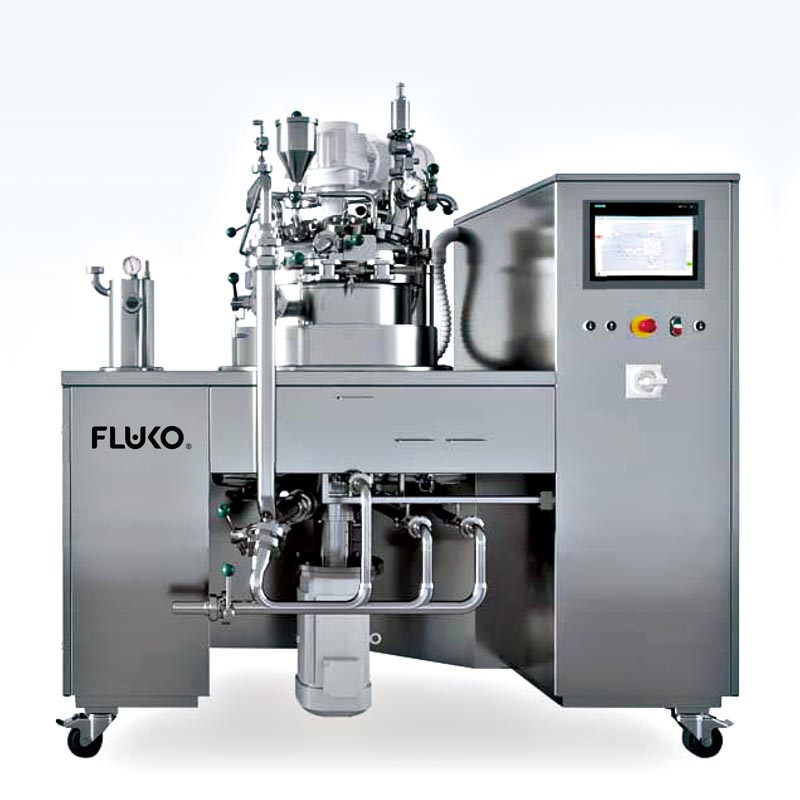
Everybody says specs look fine on paper, but your batches keep topping up solids or delaminating, and procurement is breathing down your neck — sound familiar? The core fault is usually mismatch: a machine sized for lab runs, mounted badly, or delivered with poor sanitary joins. If you’re switching from batch blenders to an inline high shear mixer, don’t treat it like another pump; it demands attention to shear profile, inlet geometry, and maintenance access. Small oversight there, big headache later.
Decide by outcome, not by label
Start with what the mixer must do: disperse 90% of particles below X microns, reduce viscosity by Y%, or sustain sterile runs between CIP cycles. Ask manufacturers for measured performance curves, not glossy claims. Look for test data on materials similar to yours — oil-in-water, slurries with 30% solids, or pigment pastes — and demand repeat runs. If they can’t reproduce a condition close to yours, move on; prototypes are where most surprises show.
Key technical checkpoints
Materials of construction: 316L stainless for pharma or cosmetic contact, EHEDG-friendly finishes if you need hygienic cleaning. Seal and bearing choices: cartridge seals with flushing for sticky media, mechanical seals for sterile lines. Motor coupling and torque margins: get 20–30% spare torque above peak draw. Impeller geometry and rotor-stator tolerance determine energy density — ask for shear maps or power per volume metrics. Don’t accept vague claims like “high turbulence”; ask for numbers.
Testing, compliance, and traceability
Certifications matter when audits come. GMP-friendly documentation, material certificates (EN 10204 3.1 where required), and welding records shorten approval times. Watch for FAT and SAT offerings: on-site factory acceptance tests with your recipe avoid surprises. If the vendor gives CAD models of the installed unit and a maintenance plan, you’ll save commissioning days. Keep the language technical and demand data logs during qualification runs.
Service, spares and scale-up realities
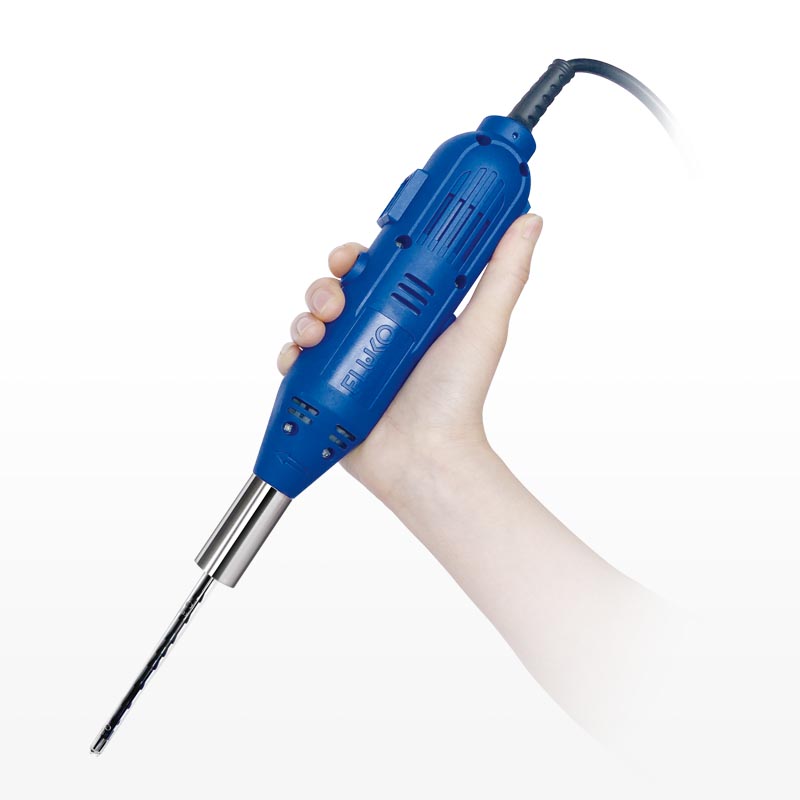
Local support beats remote promises. Spare rotor-stator sets, readily available motor sizes, and predictable lead times matter more than a low initial price. Ask about field engineers near your region, callout SLA, and whether replacement parts are interchangeable across series. For scale-up, insist on geometric and energy-scaling rationale: a 10x volume should not change shear regime. If their scale-up answer is “we’ve done it”, ask them for documented case evidence.
Common mistakes teams keep repeating
Choosing by sticker price, ignoring installation vibration paths, and skipping mock-up runs are the classic blunders. Others: underspecified heating/cooling jackets, wrong instrument ports, and no plan for abrasive wear. Don’t outsource risk: review maintenance steps yourself with the vendor and map spare parts to mean time between failures — simple arithmetic that many forget until downtime hits.
Experience, evidence and a real-world anchor
I’ve seen these issues during qualification rounds for production lines in Basel, Switzerland — major pharma hubs where regulators and buyers expect reproducible scale-up and cleanability. That’s why I insist on documented pilot runs and third-party test reports before purchase; those records prove the machine will behave in a regulated environment. If you want a practical reference to compare machine layouts and shear performance, look for vendors who publish validated trials on an inline shear mixer and who will show you the raw run data.
How to evaluate suppliers without getting fooled
Run a simple checklist: 1) ask for a demo with your product, 2) check material and welding traceability, 3) verify service footprint and spare lead times, 4) confirm FAT/SAT protocol and deliverables, 5) get a written scale-up method. If any vendor dodges a single item, treat that as a red flag. Small print often hides compatibility issues — insist on clarity.
Final word
Pick the maker who answers with data, sends test runs you can inspect, and matches service to your operating tempo — someone you’d trust to drop a machine into a live line and not hold up production. That practical assurance is what separates good suppliers from risky ones, and the straightforward option for reliable results is the team behind FLUKO.