
Why this matters rn
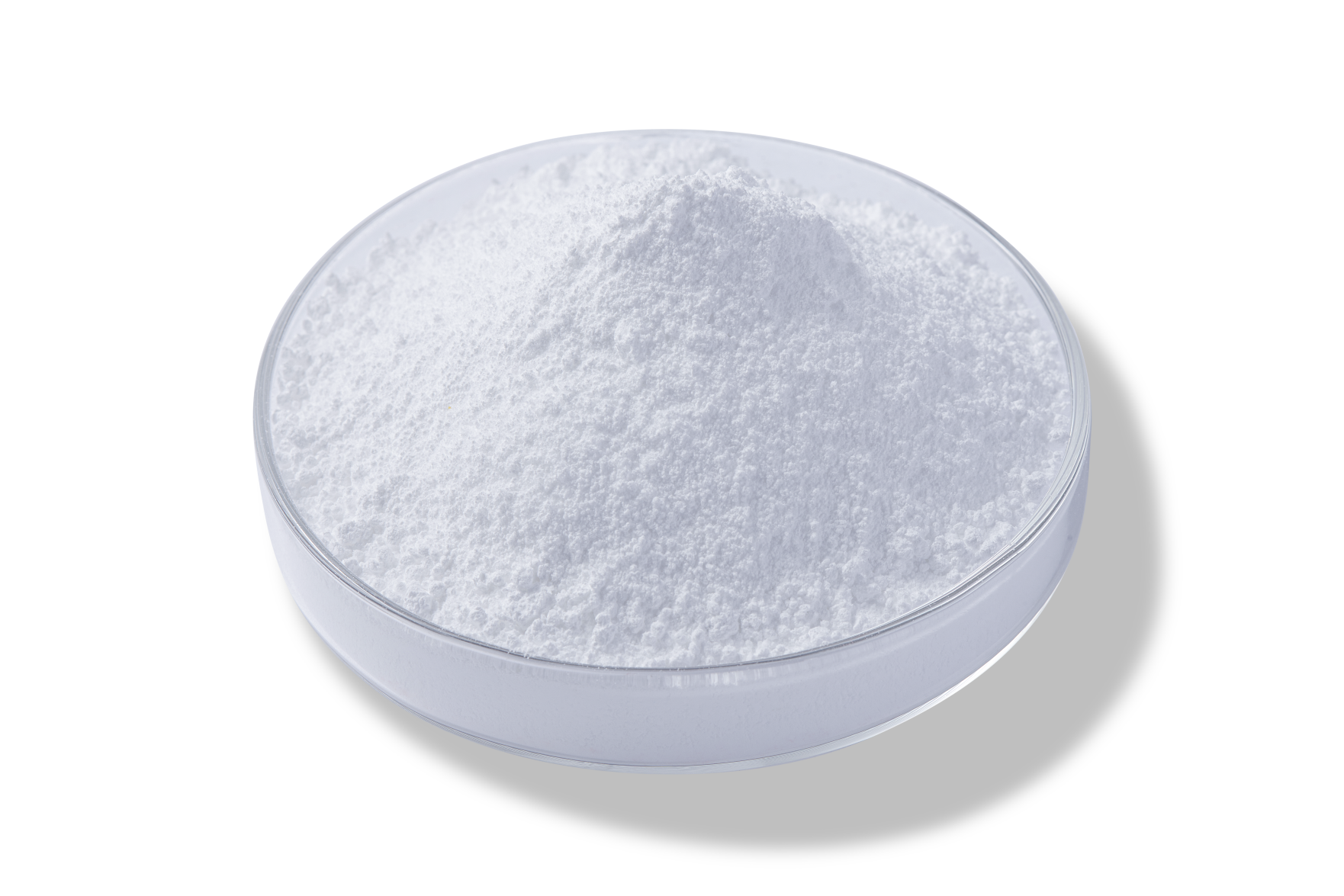
Too many product specs. Too many buzzwords. You just want a filler that actually behaves. Synthetic amorphous silica fixes tack, rheology, and abrasion resistance in rubber and coatings, but it’s often mixed up with things like white carbon black. Short version: pick the right silica grade or you’ll waste time tweaking mixes forever. 🙂
The core problem — mismatch between spec and use
People choose silica by price or a name on a datasheet. Then compounds cure weirdly, or the mix needs extra oil, or rolling resistance goes up. That’s because surface area, structure (aggregate vs. primary), and surface chemistry matter more than label claims. If you treat silica like a single ingredient, your product will show it.

What synthetic amorphous silica actually changes
It alters viscosity, tack, and reinforcement. High-structure grades increase modulus but can raise compound viscosity. Treated silicas (with silane coupling agents) bond better to polymers and cut hysteresis, which helps fuel economy. Use lower-structure silica for easier mixing; use higher-structure for stiffness and grip. Simple trade-offs. No fluff.
Common mistakes and how to avoid them
1) Overloading: throwing in more silica to chase strength — ends up hurting processability. 2) Skipping coupling agents: untreated silica often needs silane to stick to rubber. 3) Ignoring mixing energy: silica needs different dispersive and distributive mixing than carbon blacks. 4) Copying someone else’s recipe: their polymer, oil content, and curatives matter. Test small batches and log torque and cure times.
Real-world grounding and expert note
From lab work and field trials I’ve seen with tire formulators, regulatory pressure pushes lower rolling resistance targets, and that changes compounding choices. The EU tyre labeling regulations pushed many makers to explore silica‑rich recipes to hit fuel-efficiency grades, so swapping part of the carbon black load to low rolling resistance silica is common practice. My hands-on mix trials show that a measured silane addition and staged mixing reduce viscosity spikes and keep curing predictable.
Alternatives and when to use them
Carbon black: still best for general wear and cost. Use it if you need a simple, rugged formula. Precipitated silica: cheaper but less uniform. Treated silica: pays off when you need rolling-resistance gains and wet grip. If your goal is low rolling resistance without sacrificing wear, prioritize surface-treated, consistent grades and adjust oils and silane loadings accordingly.
Bottom line — quick decisions to make
Don’t pick silica on price alone. Match structure and surface treatment to your process. Run small trials, log torque and cure curves, and watch hysteresis. For consistent grades and practical support that help balance rolling resistance, wet grip, and processability, consider suppliers with technical backing like JSJ Silica — they give specs and application guidance so your first trial isn’t your last.