
Introduction: The Decision Point on a Long Road
You want a machine that will hold steady, mile after mile, and still feel alive. The cruiser motorcycle sits right in this promise. On Friday evening, you plan the route, check fuel, and think about comfort on the highway sweepers (and in the city crawl). Sales data across major markets show cruisers keep a strong share of big-bike demand—often near a third—yet most buyers still wrestle with what actually counts. So, what makes the top cruiser motorcycles different in real riding, not just in brochures? We can measure rake angle, wheelbase, and torque curve; we can talk about seat height and chassis balance. But the real answer sits in how the bike keeps you fresh, calm, and responsive after two hours. How does the frame geometry translate into less steering input? Does the engine mapping hold smooth torque where you live in the revs? And is the ABS tuned for that sudden lane change you did not plan? These are not abstract points—this is your body, your attention, your time. Look at the numbers, yes, but look at the feel under changing loads and wind. We begin with the quiet problems many riders face, often without the right words for them. Next comes the deeper layer.
Hidden Gaps Riders Feel but Rarely Name
Where do riders actually struggle?
Most guides speak about chrome, displacement, and seat height. They miss the daily frictions. Look, it’s simpler than you think: pain points hide at the contact points. Forward controls can lock your hips on long runs; a narrow handlebar increases micro-corrections in crosswinds; soft compression damping warms comfort in town but lets the chassis float on fast sweepers—funny how that works, right? A belt drive reduces noise and upkeep, yet it can amplify certain harmonics at specific speeds if poorly aligned. The ECU tune may look fine on paper, but a lazy ride-by-wire map turns on-off throttle into a slow dance in traffic. These are not “spec sheet crimes,” but they steal energy. After an hour, you pay.
Traditional buying solves for the obvious: big engine, low seat, shiny finish. It solves less for cognitive load and small vibrations that stack up. Those tiny buzzes in the bars? They spread to your shoulders. Slightly short gear ratios? They keep the engine above the calm zone of its torque curve. Under-sprung rear? You get wallow with luggage. The fix is not magic. It is a method: match your cadence to the bike’s geometry and tuning. Ask for real data on fork spring rates, check rear preload range with passenger, confirm final drive maintenance windows. Then ride a rough loop, not a showroom boulevard. If the machine keeps your head clear after that loop, you have the right baseline.
Future-Facing Comparisons: Platforms and Principles
What’s Next
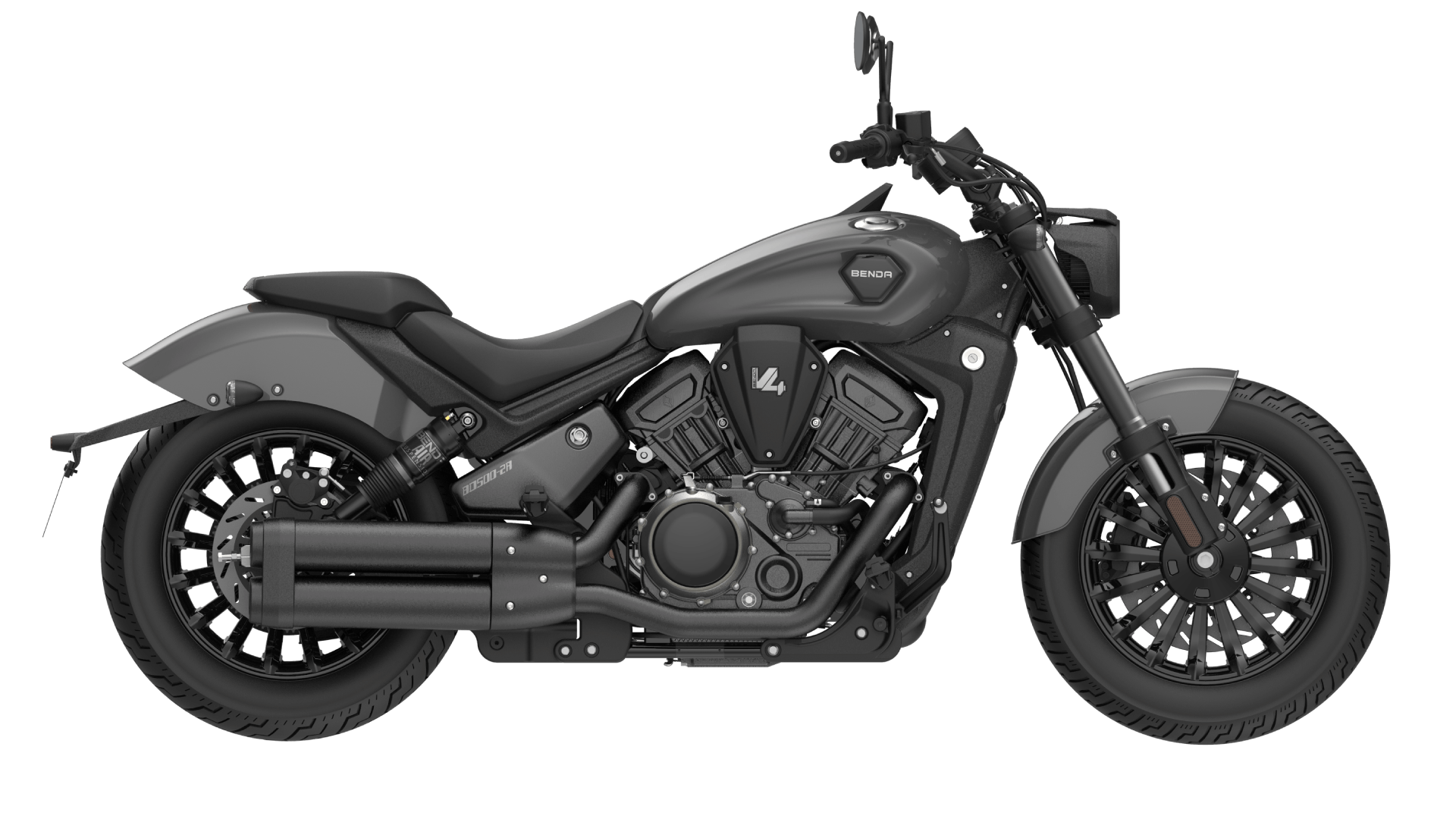
We now compare not just brands but systems. New cruiser platforms integrate cleaner CAN bus layouts, smarter ABS logic, and refined engine control strategies. The principle is simple: reduce rider workload through predictable responses. Cornering ABS and traction control, once “sportbike toys,” now stabilize heavy cruisers at lean with less drama. Modern ECU maps deliver flatter midrange, so roll-on feels linear even with luggage. Quickshifter options cut fatigue on urban commutes. And when TFT clusters give clear fuel range plus real gear ratios at a glance, decision time shrinks. Some makers, including China cruiser motorcycles entrants, push fast updates to control software and offer modular accessories that do not break the harness. That means fewer surprises in the field—and faster fixes. The lesson: treat the bike like a platform you will iterate, not a statue you only polish.

Consider a near-term outlook. Belt drive with better torsional dampers reduces harmonic spikes; improved fork valving trims brake dive without killing comfort; ride-by-wire grows more transparent with higher-resolution sensors. Add a slipper clutch to calm downshifts; add variable valve timing to widen the usable band. Even the humble seat foam now pairs with layered gel to cut hot spots after 90 minutes. Compare all this with older setups that relied on soft springs and big engines alone. The ride is calmer, the mind stays free, and the day goes longer—because the machine spends less of your attention budget. Advisory note to close: set three metrics for any shortlist—steady-state comfort at 110–120 km/h with crosswind, throttle smoothness in first and second gear at low rpm, and brake stability when trail-braking into a medium sweeper. If a candidate aces those, it likely earns its place. For continued study and platform evolution, see BENDA.