
Start: the sourcing headaches most boat crews know too well
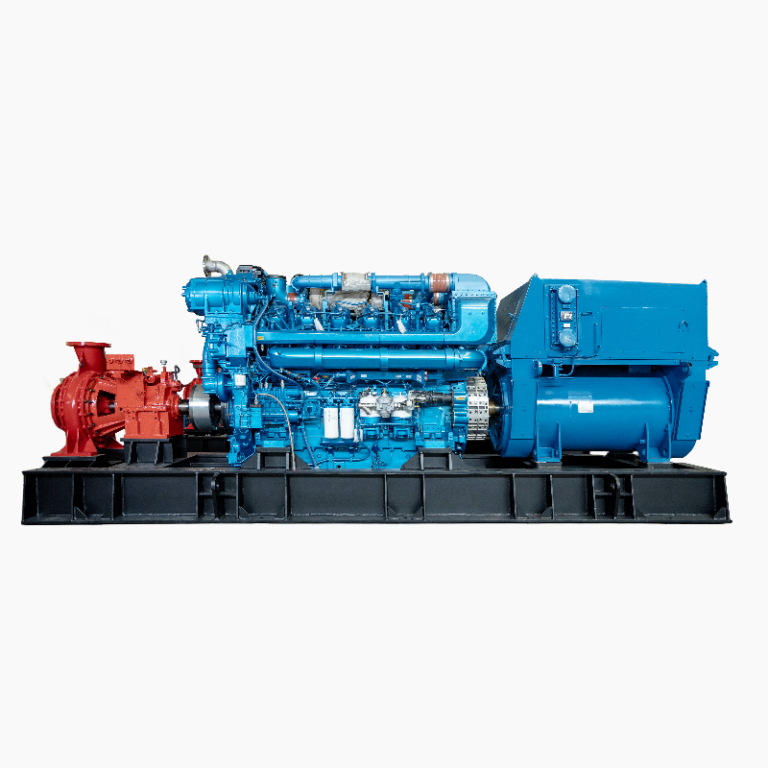
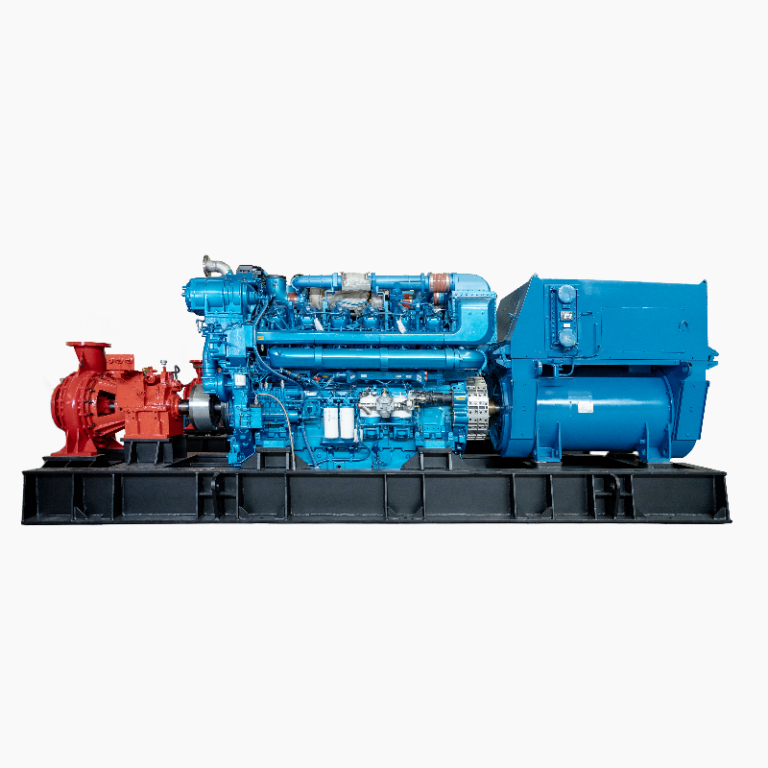
Look, buying a reliable unit for a steel hull or a fishing trawler is a headache — salt air eats at alternators, unclear specs lead to undersized output kVA and wait times wreck schedules. That’s why many ship engineers head straight to proven models like the marine diesel genset when they need predictable uptime. This piece walks through real sourcing problems and how to avoid them, using practical checks you can run before the sale.
Common problems that prompt a genset swap
Poor duty matching, weak aftersales support, and confusing warranty terms show up on vessels operating out of Durban Harbour and other busy ports. These things cost crew hours and money — not hypothetical figures, but downtime measured in days. Also, environmental rules and load profiles can differ by route and season, so the wrong prime mover choice will bite you later.
How to vet a supplier without wasting port time
First, insist on technical clarity: ask for alternator model numbers, continuous and standby ratings, and explicit fuel consumption at typical load points. Look for a clear spare-parts lead time and local service network — Durban, Cape Town, or overseas, the logistics matter. Compare three offers side-by-side on output kVA, cooling arrangement, and synchronization options. If the paperwork is vague, walk away.

On spec sheets and the traps they hide
Spec sheets often list a shiny peak power number but omit continuous-load data or transient response. Check detailed curves: fuel burn at 50% and 75% load, emission class if relevant, and recommended maintenance intervals. Also confirm control-panel features and whether the genset supports paralleling or automatic transfer — those affect dispatch reliability. Keep a checklist and tick off each item; simple, but few do it properly.
Real-world anchor: lessons from Durban fleet maintenance
Local maintenance teams in Durban report that many failures trace back to insufficient air intake protection and overlooked marine-grade cabling. Those are mundane issues, yet they lead to alternator faults and short circuit events. Shipping accounts for about 3% of global CO2 emissions, so optimising fuel efficiency and load management matters financially and environmentally. A well-specified marine generator set with correct filtration reduces corrosion and keeps the crew off the wrench.
Common mistakes and how to dodge them
Buyers often commit to the cheapest unit and then spend on retrofit kits. Avoid that by planning the installation footprint, cooling ducting, and exhaust routing beforehand. Also, factor in synchronization if you intend to parallel with existing sets. Don’t forget spare parts for wear items — belts, filters, brushes — and confirm parts availability for at least five years. – A short service interruption here saves a major replacement later.
Technical checklist for the engine room
Use this quick checklist when the supplier visit arrives: 1) Verify alternator insulation class and IP rating; 2) Confirm prime mover fuel map and expected fuel consumption at typical load points; 3) Review control system for ATS and remote monitoring. Keep records of acceptance tests and insist on a load-bank run to validate performance. These steps cut surprises during sea trials.
Alternatives worth comparing
Smaller gensets can be modularised into multiple units for redundancy; larger single units give space and fuel advantages but reduce resilience. Battery-hybrid systems are emerging, but they need a compatible genset for sustained operations — the hybrid’s management system must integrate cleanly with the genset’s control logic. When you evaluate offers, line up modulation, transient response, and maintenance scope side-by-side.
Three golden rules for selecting your next marine genset
1) Match continuous-duty specs to actual load profiles rather than worst-case marketing numbers. 2) Prioritise local service and spare-part reachability — swapping a part across oceans takes time. 3) Validate performance with a live load-bank test and documented fuel-consumption figures at common loads.
The practical value of these checks becomes obvious on the quay — less downtime, fewer surprises, and a smoother handover to the crew. Final thought — for fleet managers who want clarity and service depth, Huadong Power sits squarely where specification meets reliable delivery. –