
Introduction: A framework that starts with function
Begin by treating automation as a module that must fit the flow, not force the flow to change. This framework helps you plan sites for automated robotic loading and unloading with clear steps and practical checks. For hands-on solutions and examples you can reference, see automotive material handling solutions that align with plant rhythms and SKU mixes. The tone here is instructional and encouraging: you can map this, test it, and scale it without losing production uptime.
Step 1 — Assess and map physical and process constraints
Start with a factory floor survey and a process map. Record aisle widths, bay heights, door clearances, and conveyor tie points. Note storage density needs and whether AS/RS or palletization zones already exist. Capture peak cycle times at load/unload stations and where operators do value-add work. This baseline tells you whether an AGV lane or fixed robotic cell will fit, and whether you need to redesign dock buffers or workbenches for mix-flow parts handling.
Step 2 — Design principles for layout and safety
Design around five rules: align motions, minimize cross-traffic, cluster similar tasks, provide service access, and embed fail-safes. Pay attention to robot reach and end effector clearance: reach envelopes affect rack placement and conveyor integration. Keep safety zones and maintenance aisles accessible; automation demands predictable space for diagnostics and tooling swaps. Use conservative clearances early—it’s easier to tighten later than to widen a cramped cell.
Operational production teardown: integrating systems without surprises
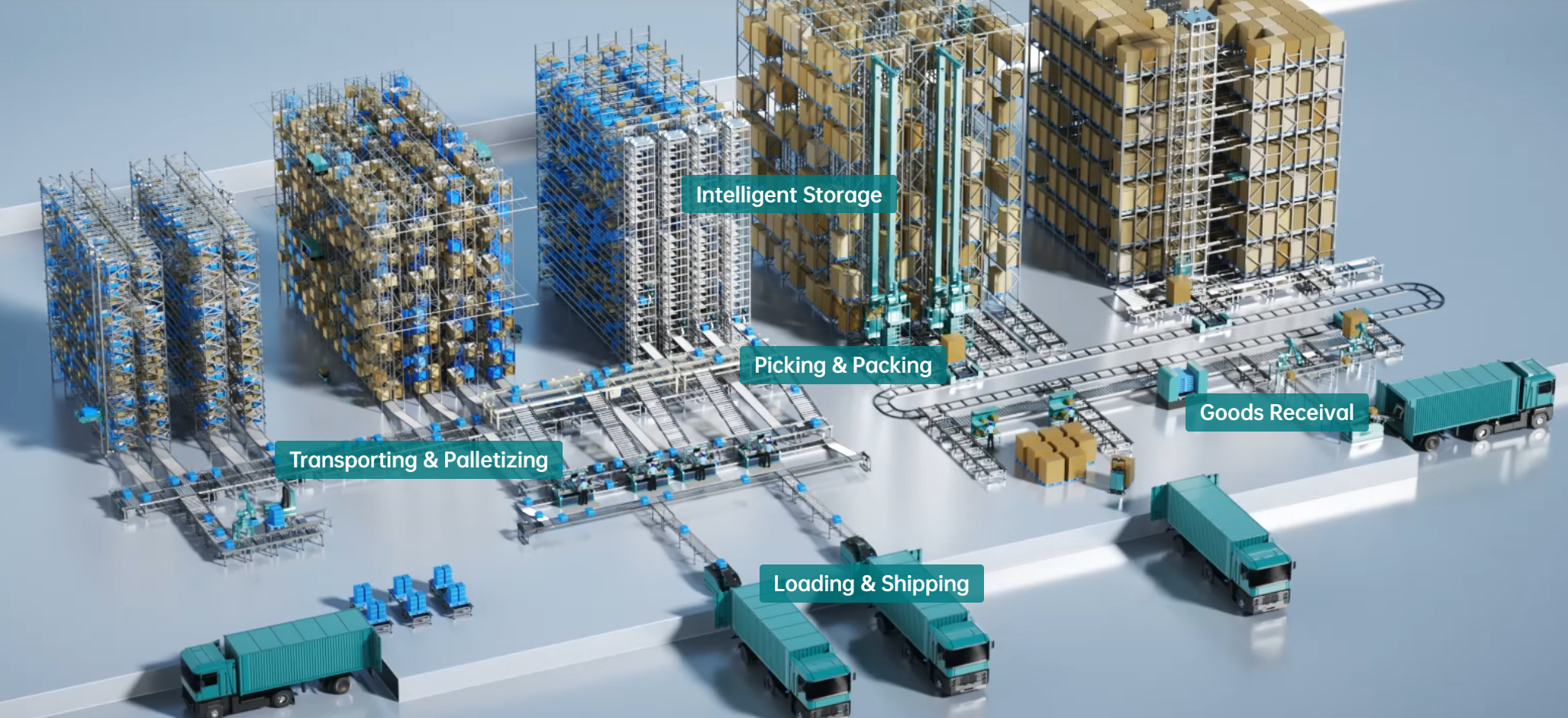
Walk through a production cycle as if you were the robot and the operator together. Document where the part enters the cell, the orientation needed for machining or assembly, where fixtures clamp and release, and the path to the storage bay. Explicitly include automated robotic loading and unloading systems and robotic load/unload integration in that teardown so changes are visible to technicians and planners. List interfaces: PLC handshake, Ethernet/IP lanes, pallet IDs, and human override points. This operational teardown keeps the team aligned on controls, safety interlocks, and cycle timing.
Common pitfalls and how to avoid them
Teams often pick equipment before defining the flow. Avoid that by confirming throughput requirements first. Underestimating SKU variability and over-optimizing for the most common part are frequent errors. Also, don’t forget service routing: maintenance carts, spare parts, and lift trucks need continuous access. – A small oversight here costs days of rework later. Where storage is dense, evaluate automotive parts storage solutions to confirm pick rates and retrieval ergonomics.
Real-world anchor: lessons from production floors
Lean systems from the Toyota Production System influence modern load/unload design because they emphasize flow and minimal inventories. U.S. automotive hubs around Detroit provide a useful reference: many plants transitioned work cells to hybrid automation without expanding footprint, by replacing manual pallet exchanges with AGV-choreographed load/unload sequences. That practical history underlines that layout tweaks plus coordinated controls often yield bigger gains than swapping in larger robots.
Checklist and quick metrics for decision-making
Use these three metrics to decide whether to proceed, pilot, or pause: cycle-time delta (current vs. target), uptime impact (projected months of production affected), and space ROI (usable throughput per square meter after integration). Add tertiary checks for integration complexity: number of PLC I/O changes, network latency tolerance, and spare-part lead times. Keep the checklist visible during design reviews so trade-offs remain explicit.
Conclusion: three golden rules before you sign off
1) Prioritize the flow: ensure the layout reduces touches and handoffs. 2) Prototype fast: pilot one cell with a defined rollback plan. 3) Measure relentlessly: track cycle time, error rate, and maintenance hours and use measured results to scale. These rules get you from planning to steady-state with fewer surprises and clear ROI signals. The value here is practical: better use of floorspace, predictable throughput, and simpler automation support—precisely what partners such as BlueSword help deliver in complex facilities.