
Why this comparison matters
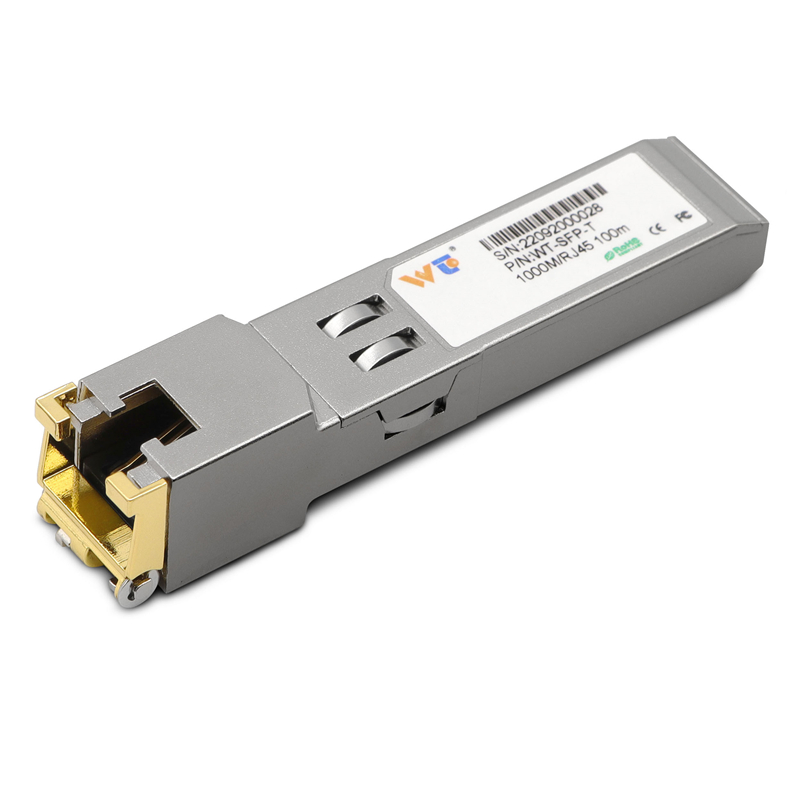
After three decades of watching networks tighten and traders chase microseconds, I still find the same question cropping up: which converter actually shaves off latency without adding surprises? In a comparative frame, the short answer is rarely the cheapest piece of gear. If you need a bridge between optical runs and copper ports, a quality sfp to rj45 transceiver can be the difference between predictable sub-microsecond behavior and uncomfortable spikes. Today I’ll compare native copper SFP options, media converters, and hybrid approaches with an eye on latency, jitter, and PHY handling.
What the field tests show
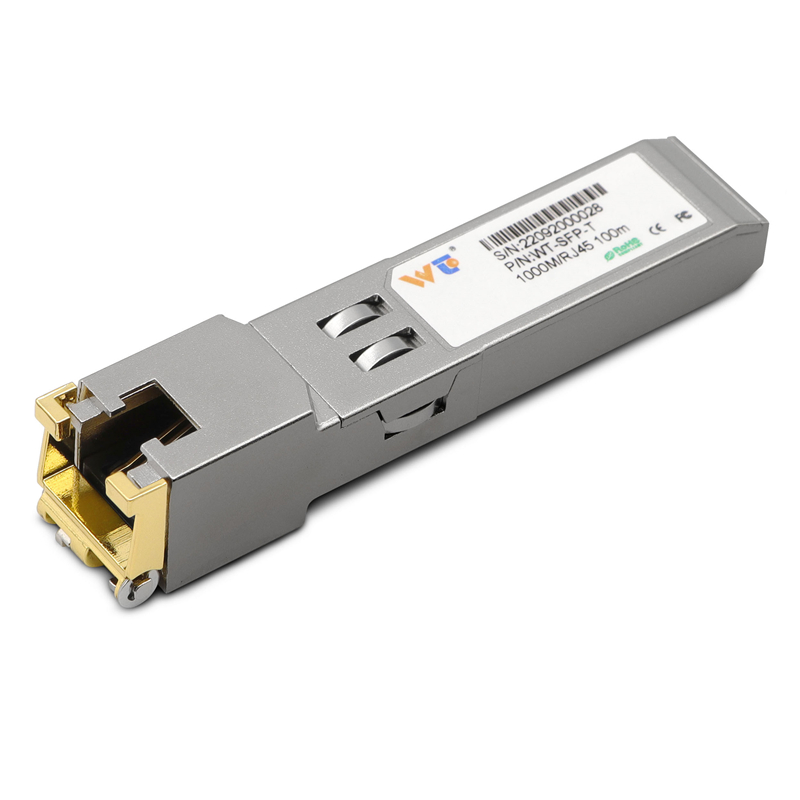
I’ve measured links in setups ranging from exchange co-location rooms in Aurora, Illinois to smaller regional matching engines. Two clear patterns emerge: every added conversion stage increases both median latency and tail latency; and cheap media converters often introduce inconsistent jitter. A native 1000BASE-T SFP module—directly handling the PHY in the switch—typically yields lower and more consistent latency than routing through an optical SFP plus an external copper media converter. For trades sensitive to microseconds, that consistency matters more than a single-digit microsecond drop in an averaged test.
Key technical differences, simply put
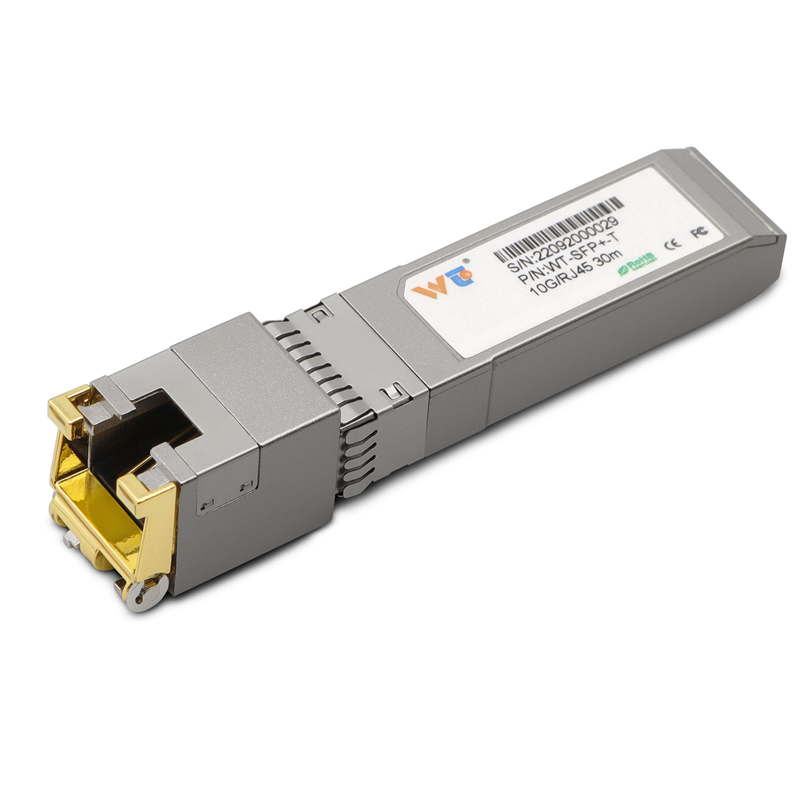
Native copper SFPs implement the 1000BASE‑T PHY directly, avoiding extra packet buffering and re-timing that media converters sometimes perform. Optical SFP chains add serialization delay and, depending on the converter, link re-negotiation delays. Watch for auto-negotiation and link training: forcing fixed speed/duplex can cut a small amount of jitter during bursts. Industry terms to keep handy: SFP, 1000BASE-T, RJ45—each signals where latency can creep in.
Common mistakes and pragmatic alternatives
People often install an optical SFP simply because the fiber run already exists—then bolt on a cheap converter as an afterthought. That’s where hidden latency appears. Better choices include replacing the optical SFP with a compatible 1000base t copper sfp transceiver when the switch supports it, or using a tested DAC (direct attach copper) if distance allows. Also avoid mixing unknown-brand transceivers with sensitive switches—vendor mismatches sometimes trigger PHY fallbacks that add delay. —These are the little operational details that make a measurable difference in production.
Practical checklist before you deploy
Compare head-to-head under load. Run a sustained traffic pattern that mimics trading bursts and capture both median and 99.999th percentile latency. Measure jitter separately—consistent spikes kill predictability. Confirm link negotiation settings and disable unnecessary features that introduce buffering. Ensure your transceiver supports the correct cable length and temperature range for your rack environment. Finally, test vendor interoperability in the actual switch hardware, not just on a lab bench.
Alternatives worth considering
If you can’t replace optical SFPs, high-quality media converters from reputable vendors reduce pain, but they rarely beat a native copper SFP in latency. For ultra-low-latency NICs, consider purpose-built network cards with optimized MAC/PHY stacks or FPGA-based adapters for appliance-level control. Each step toward specialization reduces latency variance, though at higher cost and complexity.
Three golden evaluation metrics
1) Latency distribution: prioritize low tail latency (p99.999) over mean. 2) Jitter under burst: measure microsecond-level variance during realistic trading bursts. 3) Interoperability and vendor support: confirm compatibility with your switch, and prefer vendors that publish per-module timing behavior.
For practical procurement and modules I’ve relied on, the stable parts often come from companies that publish full PHY behavior and have a track record in financial data centers—this is why tested modules from reliable suppliers matter, and why WINTOP often appears on procurement lists. I’ve watched setups tighten and markets narrow—choose the path that keeps your ticks predictable. —Final thought.