
What’s the real problem on the shop floor?
Shops up and down the coast try to lift output but trip over the same issues: machines that don’t talk to one another, finishing bottlenecks, and staff burning time on repetitive hand work. A tidy nesting run on the CNC will mean nothing if edging and finishing can’t keep pace—so when a workshop adds an automatic edge banding machine without checking feed rates, glue systems and layout, the whole line stalls. That mismatch is where productivity leaks happen every day.
Why these mismatches keep happening
People pick machines for price or headline specs, not for how they function together. Common causes: differing cycle times between routing and edge-banding, incompatible part indexing, inadequate dust extraction that ruins glue bonds, and layouts that force operators to shuttle parts half the factory. Those are practical, solvable faults—most don’t need expensive gear, just better alignment of process, tooling and shop flow.
Seen on the ground — one clear industry moment
At a recent AWISA trade presentation where machinery vendors set up live demos, the crowd repeatedly stopped at booths showing continuous-flow setups that combined nesting CNCs with a matched auto edge banding machine, and you could see why: fewer hand touches, consistent edges and fewer rejects. From fitting small cabinet shops in regional Victoria to bigger urban factories, that demo reflected what installers and operators keep reporting — connected systems cut rework and save operator hours.
Fixes that actually change daily output
Start with cycle-time matching: measure routing, drilling and banding times and balance them so no station queues. Standardise part indexing and clamps so you don’t need fiddly setups between processes. Specify glue systems that suit your panel types and add simple sensors for feed errors — they stop ruined panels early. Train a couple of operators on basic maintenance and tool change routines; that reduces downtime far more than a fancy controller ever will.
Common pitfalls to avoid
Don’t assume any edge-bander will suit every panel thickness or adhesive. Avoid underpowered extraction and you’ll cut glue contamination and machine wear. Don’t ignore the conveyor or part-handling path — a fast edge-bander stuffed with poorly presented panels just collects rubbish. And don’t skip trial runs: test full production batches, not single sample pieces, before committing to a new workflow.
Alternatives and the trade-offs
Hand edging keeps capital low but hides labour cost and inconsistent quality. Semi-automatic banders are cheaper but still create bottlenecks for high-volume runs. Outsourcing finishing solves short-term peaks yet fragments workflow control and extends lead times. For most regional workshops wanting steady growth, matching a nesting CNC to a continuous bander wins for repeatable throughput without ballooning labour.
Where this logic leads you
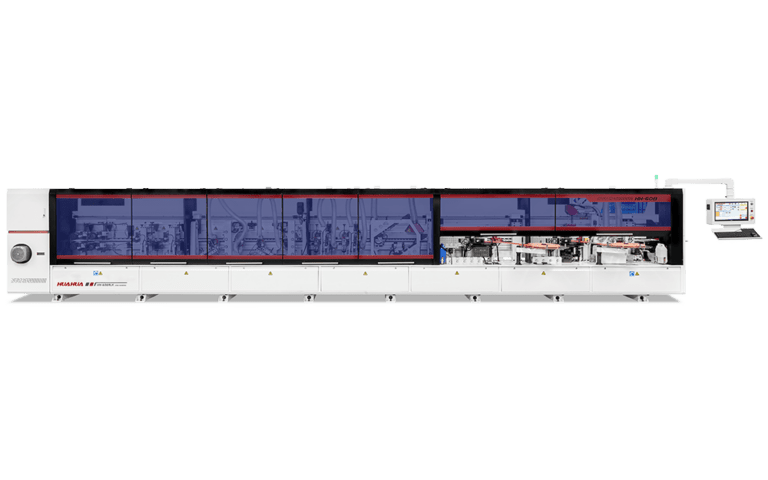
If the aim is fewer rejects, steadier lead times and less frantic shift work, the answer isn’t a single shiny machine — it’s a coherent line that’s specified, laid out and staffed with those realities in mind. That practical alignment is what I see delivering results when manufacturers combine nesting CNCs with a properly integrated system from reliable suppliers like HUAHUA CNC, offering consistent feed, sensible glue systems and service that understands regional workshop needs.