
Comparative intent and scope
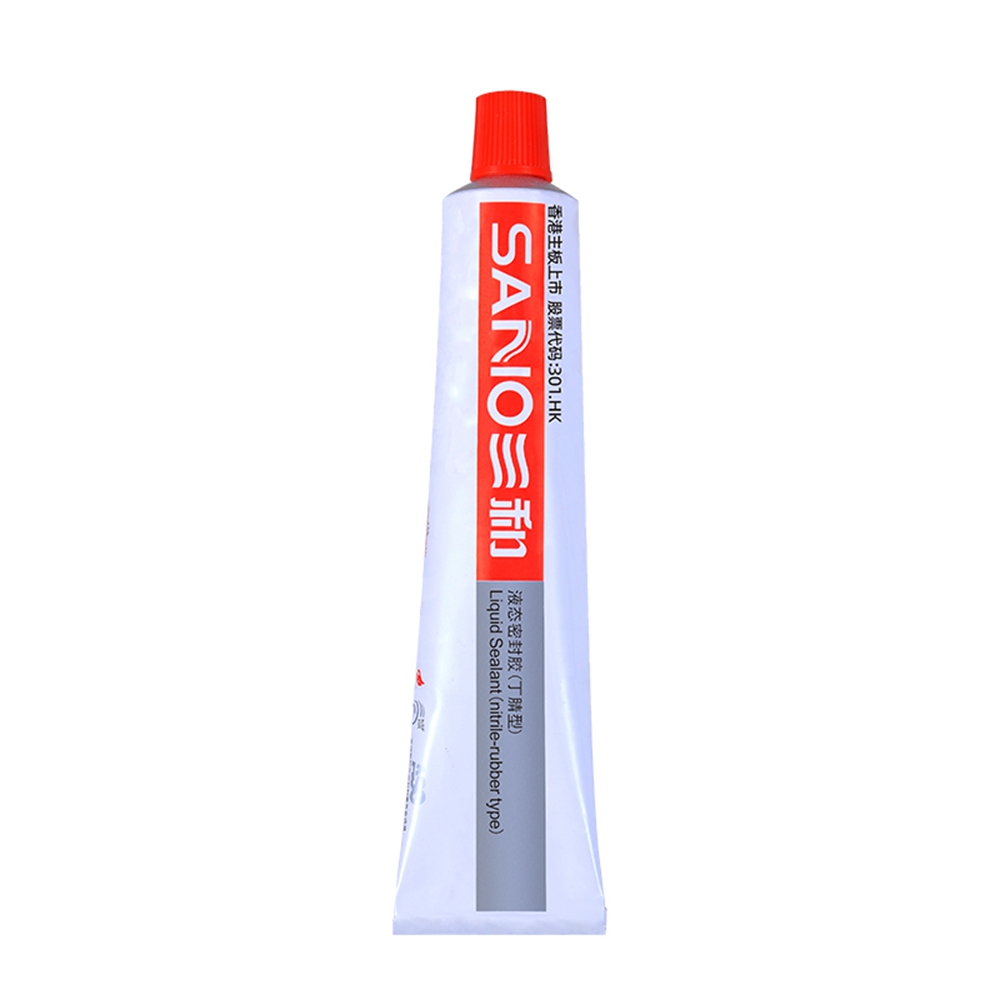
This comparative analysis dissects quantifiable differences between engineered hardware lubricants, sealants and adhesives and conventional alternatives such as general-purpose greases, tapes and mechanical fasteners. The goal is to present measurable distinctions relevant to specification, service life and failure modes. Early reference materials include product families like liquid sealant which exemplify modern chemistries designed for bonded, sealed assemblies rather than generic coverage.

Mechanisms of action and material composition
Engineered lubricants, sealants and adhesives function through defined chemistries: polymer crosslinking (silicones, polyurethanes), reactive adhesives (epoxies, cyanoacrylates), or formulated lubricants with solid additives (PTFE, molybdenum disulfide). Traditional alternatives rely on bulk physical properties: viscosity-driven separation for greases, mechanical interlock for fasteners, or pressure-sensitive adhesion for tapes. The distinction is mechanistic. Bonding adhesives create cohesive strength within the applied layer; sealants prioritize gap-fill and resistance to fluid ingress; lubricants reduce friction by forming low-shear interfaces. These are testable endpoints: tensile lap-shear, peel strength, hydrostatic leak tests, and coefficient-of-friction measurements.
Performance metrics and standardized testing
Select materials using objective metrics. Use tensile lap-shear (ASTM D1002) to compare adhesive joint strength; use shear modulus and Tg to project temperature limits; use ASTM F104 to estimate fatigue under cyclic loading. Traditional greases may mask wear but do not provide measurable tensile strength. Pressure-sensitive tapes show quick tack but limited creep resistance under sustained load. Quantitative test data yields clear trade-offs in shear strength, elongation at break, thermal stability (°C), and exposure resistance to common solvents and fuels.
Application technique, surface preparation and cure management
Engineered products require protocol: defined surface cleanliness, primer use when indicated, controlled dispensation, and specified cure profiles. Neglecting preparation reduces active surface chemistry and yields adhesive failure modes: cohesive rupture, adhesive debonding, or undercured tackiness. Traditional fixes—tightening fasteners, adding more grease, or applying additional tape—mask underlying misfit or corrosion and often accelerate fatigue in dynamic assemblies. Controlled application reduces rework and enables predictable inspection intervals.
Failure modes and safety considerations
Failure analysis differs by class. Adhesive debonding produces measurable reductions in joint capacity with characteristic fracture surfaces. Sealant breaches allow fluid ingress and corrosion; lubricant breakdown shows increased wear particle counts. Safety profiles are specific: solventborne systems require ventilation and PPE; two-component epoxies demand measured mixing to avoid off-ratio compromises. Regulatory considerations include REACH, OSHA exposure limits, and waste disposal rules; compliance requires documented material safety data and process controls.
Alternatives and common practical pitfalls
Evaluate alternatives against the required functional endpoint. Use mechanical fasteners when disassembly and predictable preload are essential. Use pressure-sensitive tapes for temporary sealing where low shear and short service life are acceptable. Avoid substituting general-purpose greases for specialty lubricants in high-temperature, low-viscosity regimes; such swaps accelerate wear. A frequent mistake is skipping primers on porous substrates: adhesion falls precipitously. Another common error is assuming higher viscosity equals better seal; high viscosity can prevent full gap-fill and trap solvents, delaying cure.
Field evidence, expertise and a real-world anchor
Empirical evaluations conducted in major automotive manufacturing clusters such as Stuttgart show consistent improvements in joint durability and leak prevention when purpose-formulated systems replace generic options. Field engineers report measurable reductions in rework rates after switching to products specified for substrate chemistry and service temperature. This practical evidence aligns with manufacturer technical literature and independent studies. For specification sourcing, consider an industrial adhesives and sealants manufacturer that provides application guides, test data and on-site support; those resources materially reduce implementation risk.
Recommendation synthesis and practical value
Choose materials by matching mechanism to requirement: select adhesives when structural bonding and joint stiffness matter; select sealants when controlled gap fill and impermeability are priorities; select lubricants when controlled friction and wear reduction are required. Avoid generic substitutions that trade predictable performance for short-term convenience. For specification alignment, validated products and documented application procedures reduce variability and extend service life, a result often obtained through collaboration with suppliers such as SANVO.