
A business problem you can see and feel
You want more usable outdoor hours, happier customers, and a bottom line that rises without adding new square footage. Walk a busy patio at noon: the heat presses, the glare flattens faces, and half your seating sits empty. A solar pergola changes that scene—dappled shade, a cool timber scent after rain, a low electric hum from panels powering lights and POS systems—so customers stay longer and you sell more. This is about turning weather and sunlight into reliable business opportunity, not just décor.

What a commercial pergola actually delivers for users
Think of a pergola as both shelter and service platform. It sculpts light so guests move from hot discomfort to comfortable curiosity. It extends service hours—early mornings and late evenings feel inviting instead of marginal. On the operations side you gain covered zones for displays, protected equipment, and integrated power for heating, lighting, and outdoor kitchens. The sensory change—gentle shade, muted traffic noise, the tactile grain of quality decking—translates directly into longer visits and higher per-customer spend.
Expert grounding and a real-world anchor
From site surveys to rooftop wiring, best outcomes come from combining design sense with code awareness. California’s Title 24 energy standards influence how commercial solar attachments are permitted, and that regulatory backdrop guides decisions about orientation, load-bearing requirements, and inverter placement. Firms I’ve worked with measure returns by tracking occupancy rates and hourly revenue before and after installations; those numbers help validate design choices. For tactical references and design inspiration, consider commercial pergola designs—they show how build quality, panel integration, and modular layouts come together in practical deployments.
Common pitfalls and how to avoid them
Bad shade planning reduces daylight without improving comfort. Overloading a structure without checking structural capacity invites costly retrofits. Choosing panels for peak wattage alone ignores diffuse light performance and maintenance access. Avoid these errors by: sizing pergolas to your busiest zones, specifying accessible panel racks, confirming wind and snow loads with a structural engineer, and planning wiring runs to minimize outage risks. Test small or phased rollouts to validate assumptions before committing to an entire campus.
Alternatives evaluated plainly
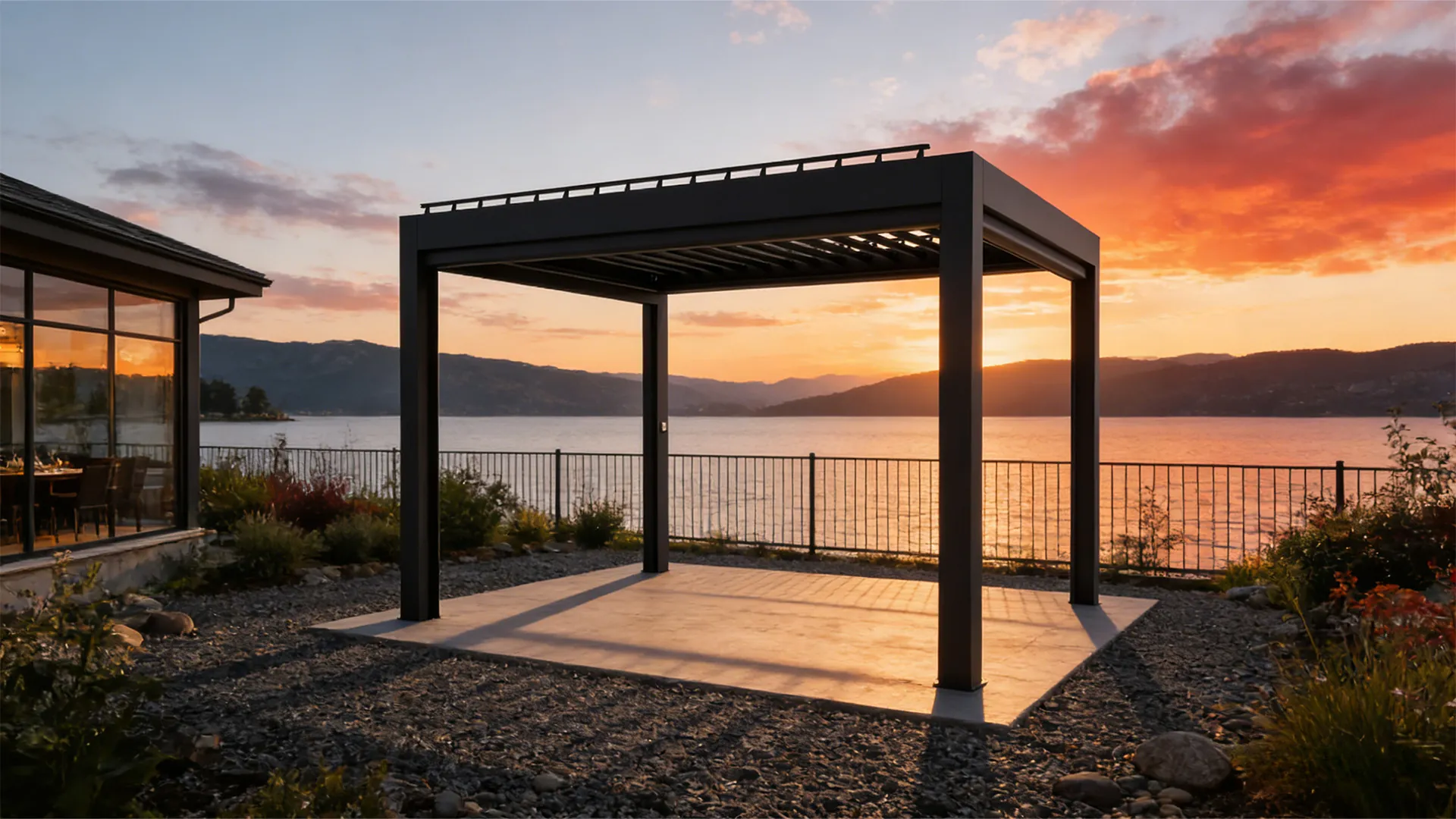
Awnings are cheaper, but they can’t carry heavy solar arrays or create the same layered ambience. Fixed roofs offer full protection but remove the light control and airy feeling that draws customers. Solar carports produce more power per square foot but take space and often serve a different circulation pattern. Choose a pergola when you need integrated power, ambient control, and a branded outdoor room that invites lingering; choose other options when maximum generation or full enclosure is the priority.
Sensory synthesis: why this matters for growth
You’re not buying a structure; you’re creating a place that nudges behavior: slower footsteps, longer conversations, more orders. When design addresses comfort, access to power, and maintenance from the start, revenue becomes a predictable outcome. Practical experience shows measured increases in occupancy and dwell time after thoughtful installations. That practical promise is what turns design into growth—and it’s why designers and operators gravitate toward solutions developed with field-proven standards and real-world know-how from Light Hunter.