
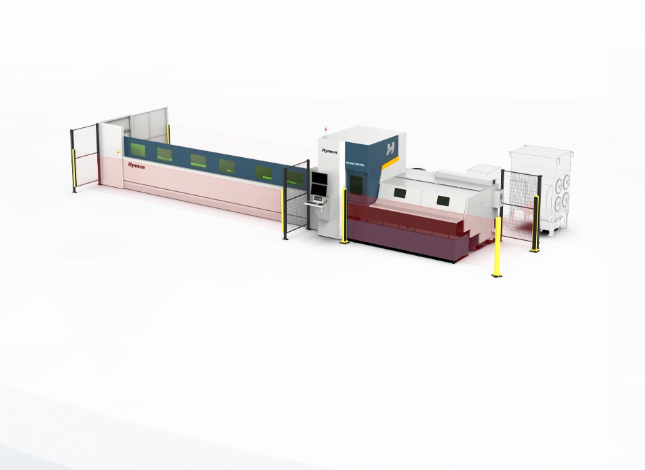
A practical selection guide to choosing an environmentally responsible laser cutting machine manufacturer
Where the problem starts
Choosing the wrong laser cutting machine can double energy use, create hazardous waste, and lock a shop into poor support—problems that matter to people and to local air quality. If you’re focused on reducing environmental impact while keeping parts accurate, start by treating the supplier choice as an environmental decision: evaluate emissions controls, power consumption, and long-term service, not just headline cutting speed. Many buyers overlook that basic step when they talk to a laser cutting machine manufacturer, and the cost shows up later as higher utility bills and scrap rates.
What actually fails in the field
Shops typically fail through three avoidable mistakes: underestimating total energy draw, ignoring exhaust and filtration performance, and assuming warranty coverage equals rapid parts support. Those mistakes create local air risks, force manual venting hacks, and lengthen downtime. Fixes are specific: require measured kWh-per-meter specs, inspect built-in filtration ratings, and demand a documented service SLA for spare parts delivery. These are not abstract—they’re operational checks you can run during factory acceptance.
How to evaluate manufacturers—clear, testable criteria
Ask for these documents and demonstrations: measured energy-per-cut reports; independent test data for particulate and NOx emissions; lifetime consumable cost models; on-site training plans; and a clear spare-parts map showing where replacements are stocked. Sit through a live cut demonstration with your material mix and measure electricity and process gases yourself. If a vendor won’t let you test your material, treat that as a red flag.
Experience, evidence, and a real-world anchor
I’ve seen these differences on shop floors and at trade demonstrations; trade events like Fabtech regularly show how filtration and fiber lasers change both waste profile and energy use. Those demonstrations make it clear why modern laser cutting systems matter for environmental performance. Trust comes from repeated, measurable results: third-party test reports, training records, and a history of field service. When a supplier provides verifiable measurements and lets you validate them in person, you gain real evidence rather than claims.
Alternatives and their trade-offs
Fiber lasers use less electricity and cut reflective metals more efficiently; CO2 lasers still perform for some non-metal and composite tasks but usually with higher running power and optics maintenance; plasma and waterjet solve specific material problems but bring their own waste streams and higher local emissions profiles. Match the technology to the materials and the shop’s environmental limits rather than buying the most powerful unit on the floor.
Common procurement pitfalls to avoid
Don’t buy on price per kilowatt alone. Don’t accept generic “environmental controls” without efficiency ratings. Don’t skip verifying local spare parts logistics. Don’t rely solely on sales demos—run your materials and record the actual resource use. Reject proposals that lack documented operator training and documented end-of-life disposal or recycling options for mirrors, lenses, and exhaust filters.
Practical checklist before signing
Before you commit, confirm: energy-per-cut figures using your material; filtration performance with third-party tests; a documented maintenance cadence and parts turnaround time; operator training included in the contract; and a recycling or disposal plan for used consumables. Put those items into the purchase order as required deliverables—then verify each at installation.
Closing value statement
Buyers who treat the purchase as an environmental and operational decision end up with lower long-term costs, safer shops, and fewer regulatory headaches; choosing a supplier that supports measured performance, documented service, and practical waste handling gives you durable gains, and those are the exact outcomes suppliers such as Hymson emphasize in their technical documentation and field support.