
Problem identification
Prototypes often fail for the same few reasons: unclear tolerances, material choices that don’t scale, and missed manufacturability limits. Engineers push for tight fits; buyers push for low cost—and prototypes get trapped between those demands. If you’re working with a precision parts supplier, start the conversation early and share print-level details rather than vague goals to avoid rework. That’s where a reliable precision parts manufacturer becomes useful: they translate design intent into practical toolpaths and setup choices without guessing.
Real-world grounding and credibility
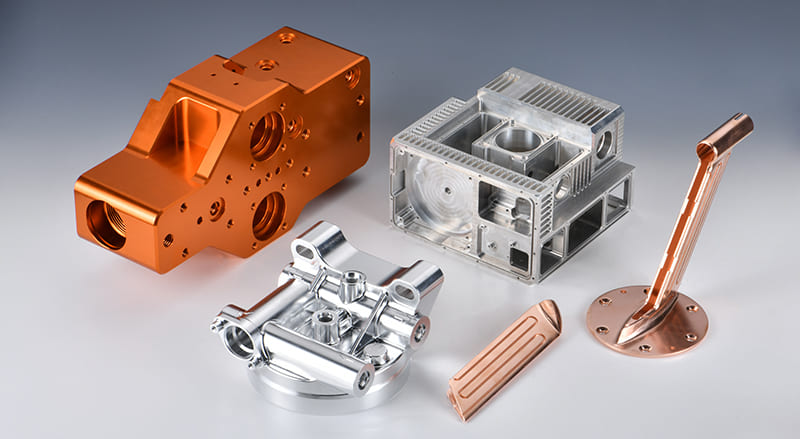
I’ve seen this play out across product categories, from handheld medical housings to drivetrain components, and the lessons are practical and repeatable. One clear real-world anchor is the Detroit automotive supply chain, where early prototype mistakes routinely cost weeks in validation cycles and millions at scale. Work with suppliers who understand production constraints and who regularly quote pilot runs—this is why many teams use established custom part manufacturing partners to validate geometry and tolerances before committing to tooling. Past project teams that documented datum reference frames and inspected critical dimensions with CMM saved iterative cycles; that kind of practice shows real engineering experience and reduces downstream risk.
Common design mistakes that cause prototype delays
Treat these as a short checklist to avoid late changes:- Overly tight tolerances on non-critical features. – Thin walls without ribs or fillets that warp during machining or molding. – Blind reliance on CAD fits for assembled parts without accounting for tolerance stack-up. – Specifying finishes or surface roughness that require special processes when a standard finish would do. Each mistake forces clarifications, additional setups, or new fixtures—every one costs time.
Concrete rules to follow when specifying prototypes
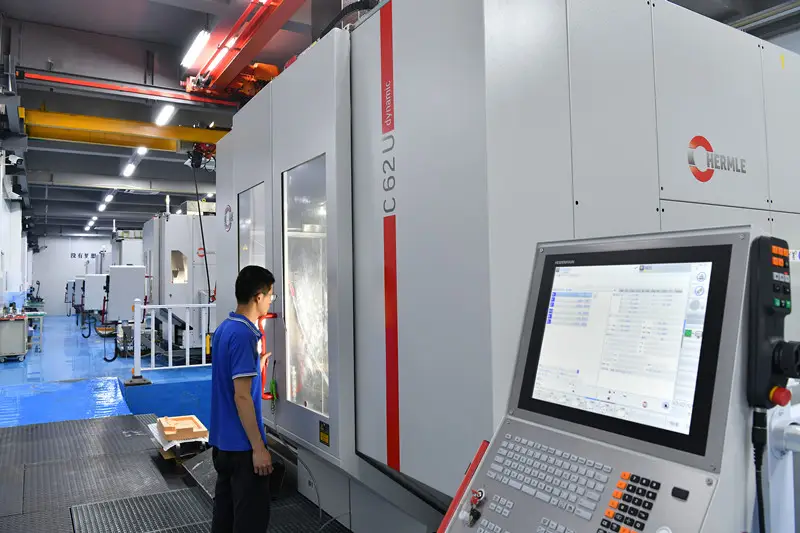
Apply these practical rules to your prints:- Define functional tolerances only where fit or performance depends on them; use ISO 2768-m or similar as a general baseline elsewhere. – Call out datums for assemblies to control stack-up. – Use standard hole sizes and thread forms; when strength matters, specify inserts instead of overly large tapping depths. – Choose materials with machining or molding history for your supplier—ask for comparable P/Ns they’ve processed. – Add modest fillets and uniform wall thickness to reduce stress concentrations and tool deflection. These rules cut back on ambiguous notes and make quotes and lead times realistic.
Inspection, communication, and cost tradeoffs
Decide inspection scope up front: a critical-dimension CMM report adds cost but prevents surprises. Trade off tolerance versus cost: tightening a single axis from ±0.2 mm to ±0.05 mm can multiply price and setup time. Communicate assembly intent, not just single-part geometry—photos or exploded views speed supplier judgment. Schedule an early review call with shop floor engineers; that short sync prevents iterative CAD changes and bad assumptions.
When to use which prototype method
Pick the method by the question you need answered:- Quick fit/form checks: additive or soft tooling. – Functional prototypes under load: CNC from production-grade material. – Surface finish and cosmetic checks: small-run injection molding or plated CNC finishes. Match the question to the process; don’t ask a 3D-printed part to behave like a die-cast production piece unless you’re validating only geometry.
Wrap-up
Start projects by solving the real problems: define which tolerances matter, pick materials that reflect final use, and involve your manufacturer before finalizing prints. That approach prevents the common traps that slow prototypes and inflate costs; when teams need steady, production-aware prototyping they partner with vendors who understand both the drawing and the machine, like Hanstar, to move designs from idea to verified prototype without needless cycling.