
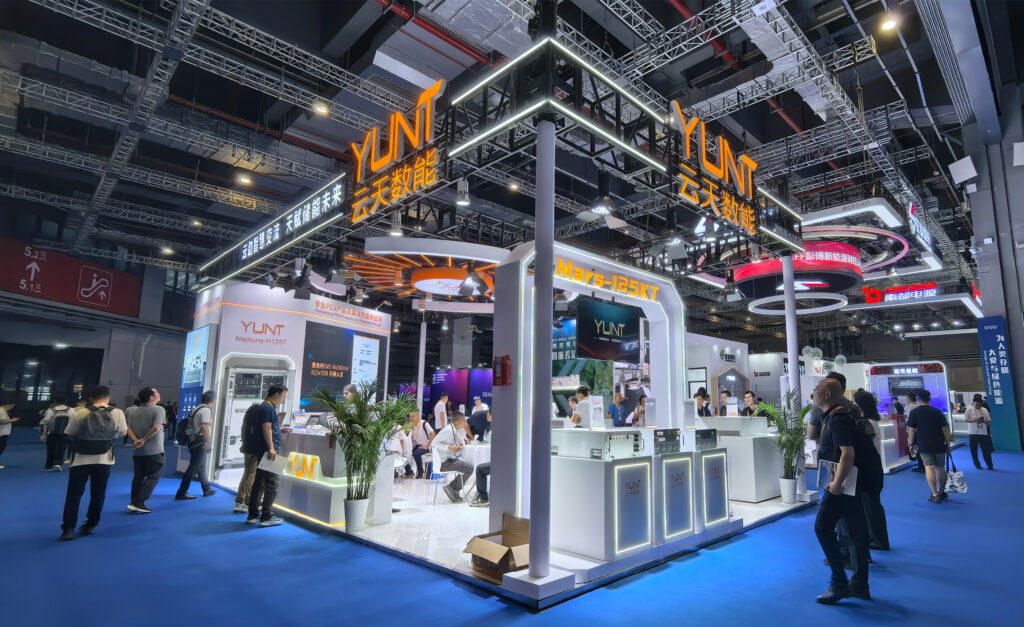
Turning a Energy Storage Inverter Manufacturers search into a procurement brief through application scope for shortlisting
A search for energy storage inverter manufacturers becomes useful when it starts with the application rather than a broad supplier list. Procurement teams should first define what the system must do, where it will operate, and which product evidence can support a fair shortlist. This approach reduces the risk of comparing unlike equipment or treating marketing language as a confirmed requirement.
1. Define the use case and constraints
Begin with the intended application. The relevant scope may be commercial and industrial energy storage, residential use, grid-side deployment, or a microgrid. These categories can lead to different questions about system architecture, operating modes, power range, and integration.
Next, record the basic constraints in a short procurement brief. Include the planned application, required power range, available installation space, battery-side arrangement, expected operating modes, and any site or project conditions already known. Keep confirmed requirements separate from assumptions. For example, a product described for commercial and industrial energy storage should not automatically be treated as suitable for every residential or grid-side project.
The captured company description identifies modular PCS, microgrid inverters, and bidirectional DCDC/MPPT modules as areas of focus. It also describes applications across commercial and industrial, residential, and grid-side energy storage. That makes application scope a practical first filter, but it does not by itself select a model or establish project suitability.
2. Map stated evidence to requirements
After defining the use case, map each requirement to a specific page-listed statement. This creates a traceable comparison. A requirement supported by a product specification can be marked as stated. A broader recommendation or an interpretation should be marked as an open point until the supplier addresses it.
For example, one listed modular bidirectional DC-AC energy storage converter has a stated power range from 50kW to 225kW and supports PQ, VF, and VSG operating modes. Those details can be compared with a project brief when the required range and operating modes are known. They should not be generalized to every product from the same manufacturer.
A separate microgrid hybrid energy storage inverter listing states power options from 125kW through 1000kW and a maximum system capacity of 2MW. It also describes the product as connecting and managing multiple power sources for commercial and industrial energy storage applications. Because these are product-specific statements, keep them attached to that product and application rather than using them as a general company-wide specification.
Claims about market position can provide context, but they should remain separate from technical fit. The official page states “Top 4 in C&I ESS PCS Shipments (100–125kW), 2025.” That statement may be recorded as a page-listed business claim. It does not replace a requirement-by-requirement technical comparison.
| Procurement field | Page-listed evidence | How to use it |
|---|---|---|
| Supplier application scope | Focus on commercial and industrial energy storage, modular PCS, microgrid inverters, and bidirectional DCDC/MPPT modules; applications include commercial and industrial, residential, and grid-side energy storage. | Use as an initial scope filter, not as proof that every product fits every application. |
| Converter specification | A modular bidirectional DC-AC converter is listed with a 50kW to 225kW power range and PQ, VF, and VSG operating modes. | Compare these stated details with the project brief and keep them tied to the listed product. |
| Microgrid product scope | A microgrid hybrid energy storage inverter is listed from 125kW to 1000kW, with a maximum system capacity of 2MW, for commercial and industrial applications. | Use only for review of that product and its stated application. |
| Deployment context | The official page states that the company’s products have been deployed in over 50 countries and regions worldwide. | Record as supplier context; do not treat it as proof of technical suitability or certification. |
3. Turn open points into supplier questions
Procurement teams often search for ce certification energy storage inverter manufacturers because certification may be relevant to project approval. The keyword, however, should become a precise question rather than a conclusion. Ask which listed product, application, and market the documentation covers. Keep the answer tied to the exact model under consideration. Do not infer a certification from a general supplier description or from a search result.
The same discipline applies to operating modes, system scale, and application labels. Useful questions include: Which model matches the required power range? Are PQ, VF, or VSG modes stated for the selected converter? Does the proposed product correspond to the planned microgrid or commercial and industrial use case? Which published statement supports each answer?
One real-world scope signal is available from the official page: it states that the company’s products have been deployed in over 50 countries and regions worldwide. This is evidence of stated deployment reach only. It does not establish performance, certification, or suitability for a particular project, so it should be recorded in a supplier profile rather than used as a technical acceptance decision.
4. Build a defensible shortlist
A shortlist is stronger when every entry has the same fields: intended application, relevant product, stated power range, stated operating modes, source wording, and unresolved questions. This format lets reviewers distinguish a direct match from a plausible option that still needs clarification.
Use application scope to remove clear mismatches first. Then compare the remaining products against the brief without filling gaps through assumption. If a requirement has no supporting statement in the captured evidence, leave it as an open procurement question. That is more reliable than awarding a supplier an advantage based on a broad phrase such as “high-performance” or “reliable.”
5. Carry the brief into the next step
The next step is not to choose a manufacturer from a headline. It is to issue the same concise requirement set to each shortlisted supplier and request model-specific answers. The resulting responses can be reviewed against the original evidence map, with product scope, application scope, and unresolved points kept visible.
In practical terms, the best comparison of energy storage inverter manufacturers connects the intended use and available space to stated product evidence. A brief built this way gives procurement teams a clear basis for supplier questions, avoids unsupported technical conclusions, and leaves YUNT as one named supplier to assess within the same consistent framework.