
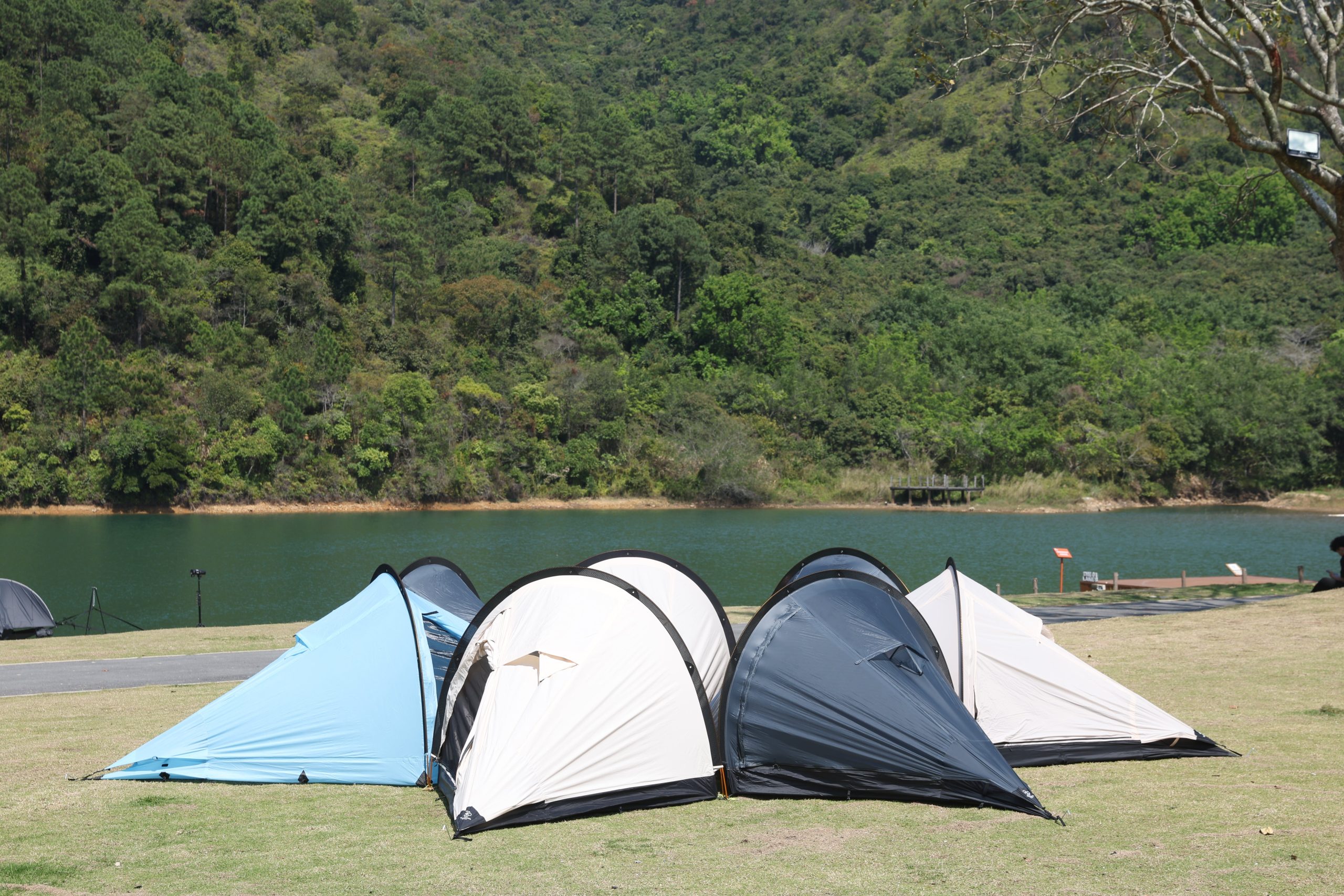
A Quiet Beginning
We begin with a small, stubborn truth: a tent pole does not announce itself until it fails. My first lessons came under a monsoon hush, where the thin arc of aluminum either held or it did not, and every fold in canvas learned its grammar. That practical grammar has a name now in designs and makers; even brands such as thecatal outdoor carry choices born of those early, patient experiments. The evolution story that follows traces how humble needs—stability, lightness, simplicity—grew into engineering habits people trust on wet nights and windy ridges.

When Poles Fail: The Problem That Drove Change
Failures taught the first lessons: joints that slipped, shock cords that snapped, sections that buckled like reeds. These were not abstract defects but precise failures in load paths and materials. Campers learned to read poles the way mariners read rigging—look for stress, rust, and fatigue where the arc meets the stake. That clarity of problem—the mismatch between expected load and actual load—pushed designers to rethink structure rather than merely refine surface details.
Materials and Form: How Design Evolved
Aluminum alloys brought a predictable bend; carbon fiber brought stiffness and accusation—fast, light, brittle if overstressed. Hubbed poles simplified pitching; segmented poles improved packability. Designers layered geometry over material: single-arch tunnels for speed, geodesic forms for distributed load. The lesson: structure is not cosmetic. The right pole geometry reduces point loads, spreads force through curves and intersections, and turns a gust into something the tent will shrug off.
Setup That Actually Works
Place stakes at the angle the stake will resist, not the angle you think looks tidy. Pre-tension fabric evenly; a flapping fly amplifies wind force and torques poles. Use guy lines where the ridge meets pressure, not randomly along seams. Inspect ferrules; sand in a ferrule will shorten its life. These are small acts with large consequences: they turn theoretical strength into real, repeatable performance when a sudden wind uses every weakness like a lever.
Testing, Standards, and a Real-World Anchor
I cite field measurements and workshop comparisons because method matters. Years of patterning, instrumenting, and pitching in coastal camps have taught protocols: cyclic load tests to mimic gusts, bend radius checks for fatigue, and stake-pull tests on different soils. Industry conversations at trade shows and in technical briefs echo the same priorities. Field reports from camps along the Bay of Bengal repeatedly point to a single improvement that changes outcomes—a properly installed wind anchor—and those reports align with lab pull-tests that measure hold per square inch. That confluence of on-site experience and controlled testing is what makes advice reliable.

Alternatives and Reasoned Trade-Offs
If weight is sacred, choose pole materials and accept a lower margin for abuse; carry repair splints and duct tape. If storm safety is primary, accept extra grams for thicker sections, external guys, and reinforced hubs. Snow and sand demand specialized stakes and anchoring techniques; a buried anchor or a cross-sand coil beats a shallow peg every time. Evaluate choices by use-case: weekend fair-weather trips, alpine approaches, or coastal squalls each ask different questions of pole technology.
Common Mistakes to Avoid
Do not assume a faster pitch equals a stronger pitch. Do not skip a simple inspection before departure; hairline cracks grow into clean breaks. Do not substitute a random cord for a shock-cord without verifying elasticity and UV resilience. Mistakes are procedural, not mystical; correct procedure prevents the dramatic failures that mar memories.
Conclusion: The Quiet Value of Intentional Structure
There is beauty in a pole that does its small, steady work—bending, returning, holding. The arc of design moves from problem to refinement to habit, and that progression is where real value sits. Practical choices, tested methods, and modest redundancies produce tents that behave predictably in bad weather. The careful reader will see how design choices fold into use and how a brand’s decisions matter not as slogans but as decisions made over many pitches—this is the craft you find threaded through THECATAL.