
Introduction: A Porch, a Plan, and the Real Cost
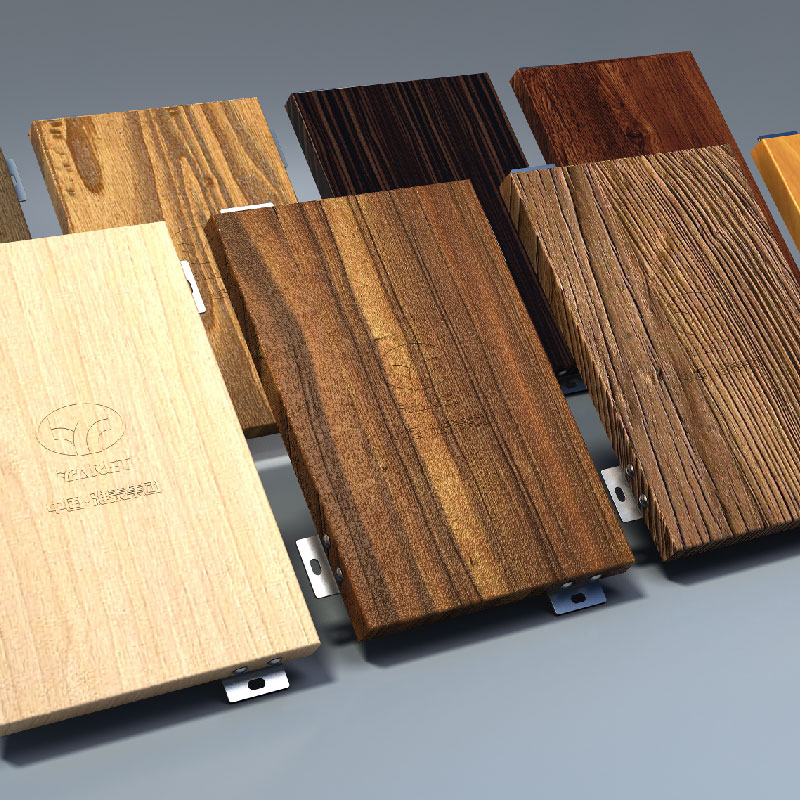
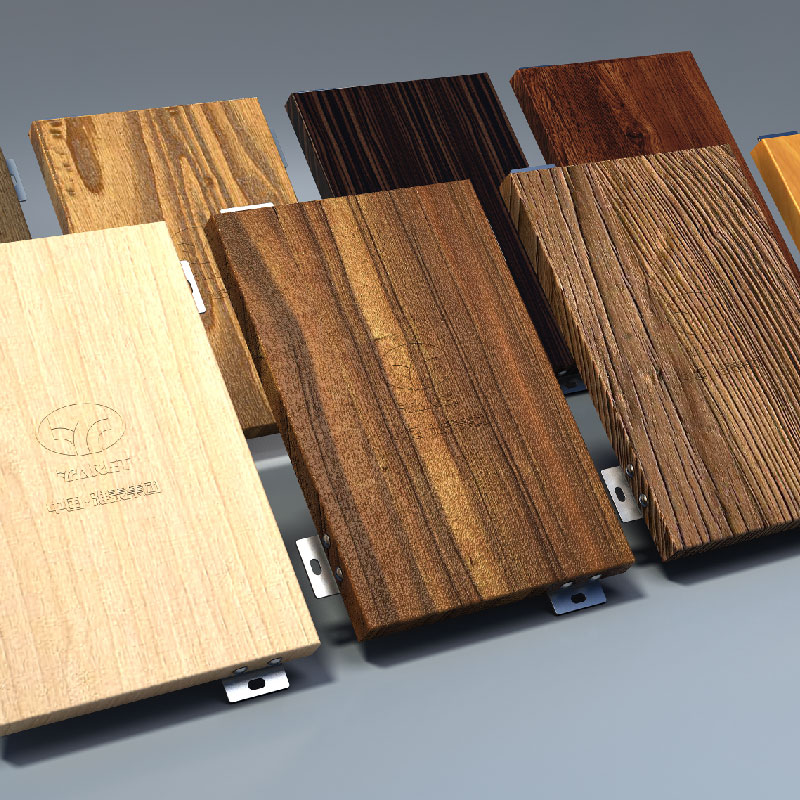
You step onto a porch after a long day, and the siding looks fresh and calm—like a space that cares for its people. You picture a wood grain aluminum sheet catching the evening light, with none of the stress that comes from peeling paint or swollen boards. Many projects spend more on upkeep than planned over the first decade, and maintenance can take a surprising slice of the budget. Families and facility managers feel that slow drain over time—repainting cycles, warped edges, uneven seams. So, what’s the smarter path when you want the warmth of wood without the stress, and you want to choose once and enjoy for years (not months)? Let’s set up a clear view of the trade-offs and see how a small choice at the start shapes the big picture later—funny how that works, right?
Hidden Snags in the Old Playbook
Where do old fixes fall short?
Let’s get practical and technical for a moment. Many teams still default to timber cladding or fiber cement when they want “wood.” But high humidity, UV exposure, and temperature swings push those materials hard. Paint loses adhesion. Sealers age. Edges swell. Fasteners creep. Over time, you fight expansion, contraction, and surface cracking. A wood grain aluminum composite panel changes that picture by pairing a stable metal skin with a composite core that manages stress more evenly. The thermal expansion coefficient of aluminum is predictable, so joints and trims can be designed with proper movement gaps. Add a PVDF coating and you gain UV resistance and colorfastness that goes the distance. Look, it’s simpler than you think: build to the physics, not against it.
Traditional “fixes” also hide labor and risk. Tight fastener spacing, field cuts, and repeated sealant passes add time and error. Moisture finds its way into substrates, and then you are chasing stains and delam. Compliance matters, too. Fire rating targets like ASTM E84 and NFPA 285 push some assemblies to their limits, especially around openings. A composite panel system is often designed as an integrated skin, with rainscreen gaps that vent and drain. That reduces trapped moisture and helps manage wind load and pressure equalization. When you plan the assembly as a system—substrate, anchors, vapor barrier—you control movement and extend service life. The outcome is not only a cleaner facade but also fewer callbacks and less weekend worry for the people who live with it.
Comparative Momentum: From Look-Alike to Lasting Value
What’s Next
Now, let’s look forward and compare based on how the tech works. Today’s finishes rely on coil coating lines, digital grain transfer, and fluoropolymer topcoats that resist chalking and fade. That’s a big leap from brush-on stains. A wood grain aluminum veneer can be engineered with layered primers for adhesion, a printed grain film for realism, and a clear PVDF shield for weather. In some systems, CNC routing keeps edges crisp and sealed, which protects corners—the first place many facades give up. Manufacturers also model panels under wind load using finite element checks, so clips and rails match the site’s conditions. Add anodizing or powder coating options for hardware, and you limit galvanic corrosion where dissimilar metals meet. Small details, big calm.
So how does this play out on real sites? Schools and clinics need durable skins that clean fast and keep color. Hospitality spaces want warm texture that is consistent panel to panel. With engineered panels, installers plan joint modules, stage rails, and keep cuts minimal—less scrap, fewer wet trades. The change is felt by the people on the ground: faster dry-in, clearer tolerances, fewer rainy-day delays. And owners see fewer repaint cycles, easier washing schedules, and better envelope performance over time. This is the quiet value you feel in year five and year ten—when the facade still looks like day one.
Before you pick a path, use three clear checks. First, performance fit: verify coating system (PVDF), fire compliance, and wind-load ratings for your zone. Second, lifecycle math: include cleaning cycles, repair access, and expected color retention in years, not seasons. Third, install clarity: confirm rail-and-clip details, fastener specs, and movement joints to handle the thermal expansion coefficient without stress. Meet those marks, and the “wood look” becomes a stable, low-drama choice that supports daily life. It looks warm, installs clean, and grows with your space—just like you hoped from the start. For a steady reference point as you compare options, see yaret.