
Technical forecast and immediate context
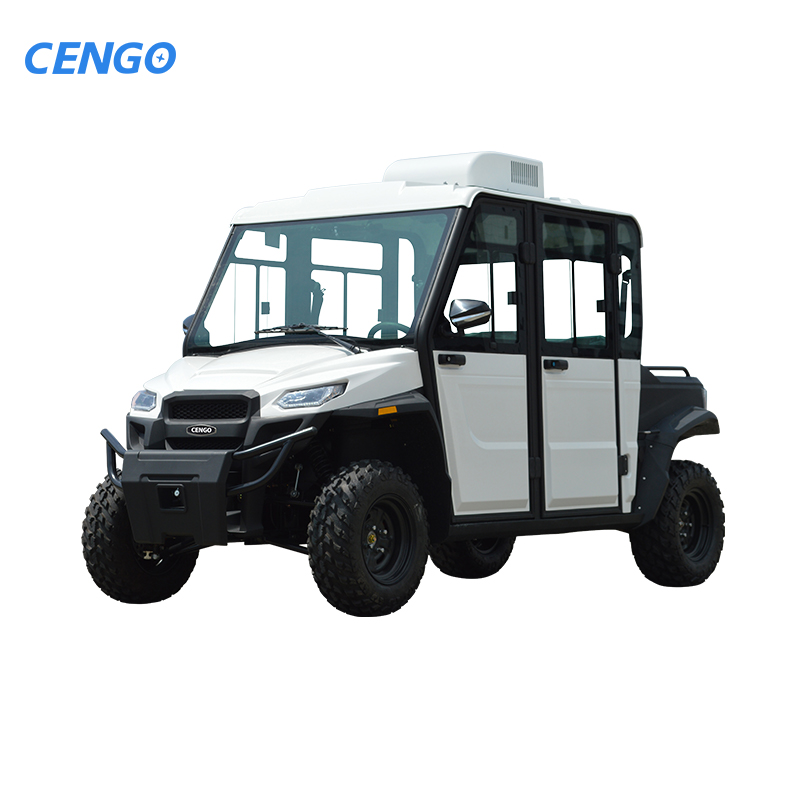
Chinese firms are accelerating modular micro-EV platforms that respond to tighter right-of-way, pedestrian-priority streets, and shared-mobility fleets. Early in that shift, established electric utility vehicle manufacturers moved from bespoke leisure carts to production-grade low-speed vehicles with hardened chassis and predictable thermal envelopes. This piece projects imminent design choices and the engineering trade-offs urban planners and operators will face in 2026.
Primary urban design drivers
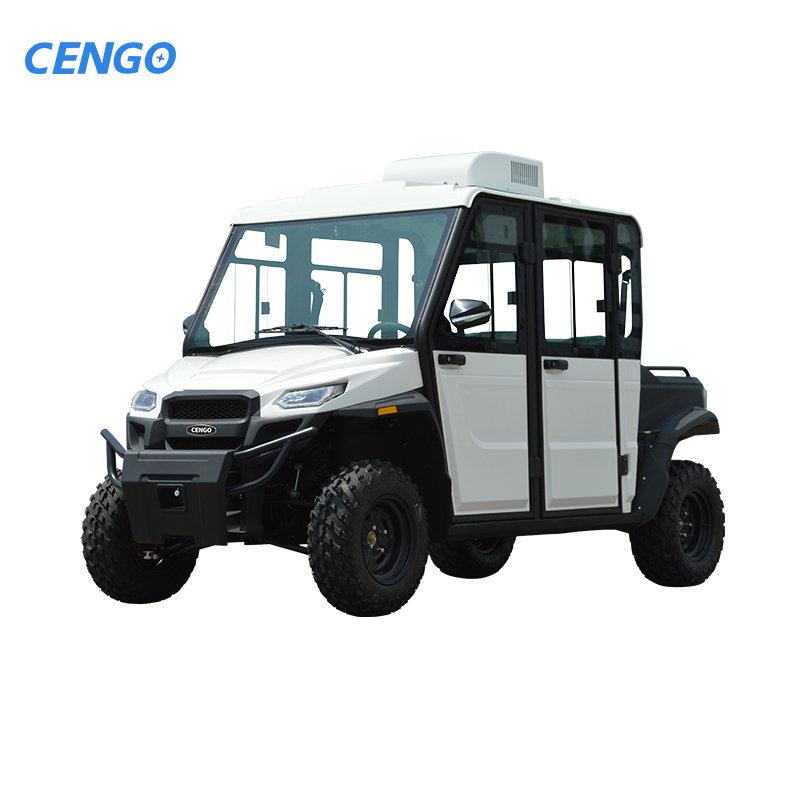
Three constraints dominate design: reduced footprint, predictable duty cycles, and fast turnaround. Reduced footprint forces compact wheelbases and longitudinal space-saving layouts. Predictable duty cycles allow optimization of battery chemistry and the battery management system (BMS) for repeated shallow discharge rather than one-off long-range performance. Fast turnaround pushes modular battery packs and standardized CAN bus communication so swap or fast-charging operations can be automated at curbside.
Key technical innovations to expect
Manufacturers will pair lightweight aluminum chassis frames with high-rigidity subframes to preserve torsional stiffness while cutting curb weight. Expect integrated torque vectoring on rear-wheel-drive units for low-speed stability in crowded streets, and regenerative braking curves tuned for frequent stop-start patterns. Power electronics will emphasize thermal headroom—silicon carbide inverters for compactness and efficiency where cost permits—and BMS strategies that prioritize cycle life over absolute capacity.
Manufacturing and policy anchor
China’s NEV policy suite since 2015 and municipal pilots—Shanghai and Shenzhen among them—created the production scale and supplier networks that make these advances economically viable. That policy backbone supports supplier specialization in high-volume printed circuit assemblies and welded subframe cells. For operators this means lower unit costs and faster parts lead times; for designers it increases freedom to iterate on suspension geometry and payload envelopes without breaking cost targets.
Operational integration and ecosystem
Designers will no longer treat carts as isolated units. Charging architecture, telematics, and depot workflows are becoming co-designed. Standardized tethered charging and opportunistic depot swapping reduce required onboard energy, shrinking battery pack volume and improving payload capacity. Operators will embed vehicle telematics into fleet-management dashboards—state-of-charge, cycle count, and motor-temperature telemetry—so maintenance windows are predictive rather than reactive.
Common mistakes and trade-offs
Teams often over-prioritize top speed or range at the expense of payload capacity and repairability. Another recurring mistake is ignoring serviceability: sealed units reduce immediate assembly cost but increase downtime when a controller or BMS fails. Also, scaling a leisure-cart frame for fleet duty without upgrading suspension or cooling will produce high warranty spends. —Designers must balance initial BOM cost and lifecycle maintenance cost rather than optimize for one metric.
Comparative insight: leisure cart vs. fleet cart
Leisure carts emphasize ride comfort and cosmetic fit-and-finish; fleet carts prioritize modular serviceability and standardized electrical interfaces. The fleet variant replaces decorative panels with access hatches and relocates high-cost items like the inverter to common mounting brackets to simplify replacement. Operators coordinating with utility vehicles manufactures can reduce mean-time-to-repair and standardize spare inventories across sites.
Advisory — three golden rules for 2026 deployments
1) Evaluate lifecycle cost per kilometer, not just purchase price: include predicted BMS replacements, battery degradation curves, and scheduled component swaps. 2) Mandate open electrical interfaces (standard CAN messaging, physical connector standards) so third-party chargers and telematics can integrate without custom firmware. 3) Size the pack for duty-cycle depth-of-discharge, not headline range—optimizing for 80% DOD cycles extends calendar life and lowers replacement frequency.
These measures channel the engineering advances Chinese manufacturers deliver into durable, serviceable fleets—real value for urban operators. CENGO. —Final note: expect incremental hardware tweaks, not radical rewrites, as cities demand predictable, maintainable, and space-efficient electric carts.