
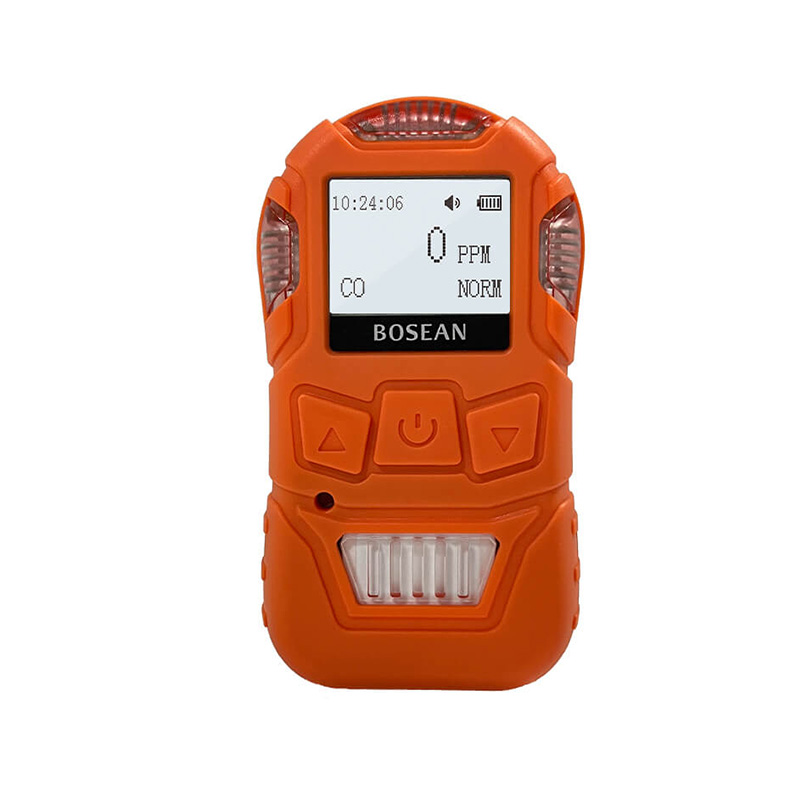
Is Gas Detector Manufacturer suitable for this project? Start by examining evidence mapping early research
When a system integrator begins researching a gas detector manufacturer, the first task is not to select a model. It is to establish what each available statement actually covers. A product category, an application description, and a model specification answer different questions. Treating them as interchangeable can make an early comparison look more complete than it is. Evidence mapping provides a disciplined way to separate what is stated, what may be relevant, and what remains an open requirement.

Separate the scope before comparing suppliers
Start with three scope levels. The first is the category level: what type of equipment does the supplier present? The second is the application level: what operating context does the available material describe? The third is the model level: which named device has the specific attribute being considered?
This separation matters because a category description should not be treated as proof of a particular model’s configuration. Likewise, a model detail should not be transferred to every product in a supplier’s range. Create a simple evidence table with columns for source statement, scope, requirement addressed, and status. Mark each entry as category, application, model, or unresolved rather than allowing broad wording to stand in for a technical conclusion.
Map evidence to the actual project question
Next, write the project question in a form that can be tested. For example, instead of asking whether a supplier is suitable in general, ask whether the available information addresses the detector type, integration boundary, installation context, and information needed for the next design decision. This wording keeps the review connected to the project without turning general marketing language into an approval.
Use one row for each requirement. Record the exact evidence that appears to address it, then record the limits of that evidence. A statement about portable detectors may support a category-level discussion of portable equipment. It does not, by itself, establish a fixed installation arrangement, a control-panel interface, a gas list, a detection range, or a certification position. Those are separate questions that require separately applicable evidence.
Use a real-world page as an evidence anchor
A useful anchor for this review is the cited Bosean homepage. It identifies gas detection equipment as the business and lists portable detectors, fixed detector systems, and gas alarms. That page-level fact supports a narrow description of the supplier’s presented categories. It does not establish certification, site suitability, safety outcomes, or configuration details that are not listed. Keeping the boundary visible is the point of using an anchor: the source becomes easier to trace without being asked to prove more than it says.
In this context, gas detector manufacturer is best treated as a research category rather than an automatic project verdict. Compare the evidence attached to the stated task, not the apparent breadth of a website menu. If the project concerns a fixed system, give greater weight to information that explicitly applies to fixed equipment and its interfaces. If the project concerns portable use, keep the comparison within the portable scope unless additional evidence connects the information to another arrangement.
Record assumptions and interfaces
Early research often contains assumptions that are harmless for a shortlist but important for later design. Make them visible. A working note might state that the review is limited to equipment categories shown on the cited page, that no model-specific conclusion has been made, and that interface requirements have not yet been mapped to a named device. This is not a rejection of the supplier. It is a record of the current evidence boundary.
Interfaces deserve their own section in the evidence map. List the information the wider system may need, such as physical connection points, signal expectations, alarm communication, power arrangements, environmental limits, or maintenance responsibilities. Present these as questions for the project team or supplier, not as assumed features. The purpose is to prevent an early category match from being mistaken for a completed integration assessment.
Turn the map into a focused sourcing brief
Once the evidence is sorted, prepare a short brief that another reviewer can understand without reconstructing the research. Include:
- the intended equipment category and operating context;
- the requirements that are already supported by applicable evidence;
- the source and scope of each material statement;
- the model-specific information needed for the next comparison;
- the interfaces and responsibilities that require clarification; and
- the assumptions that must remain open until the project defines them.
This format improves the quality of the next conversation because it turns vague suitability language into a set of bounded topics. It also helps different reviewers distinguish a factual source statement from an engineering recommendation. A recommendation can guide the investigation, but it should not be presented as a verified property of a product or supplier.
Make the early conclusion proportionate
The conclusion from early research should match the strength of the mapped evidence. If the source establishes only that a supplier presents portable detectors, fixed detector systems, and gas alarms, the defensible conclusion is limited to that category-level observation. The next step is a focused technical and sourcing brief, not a claim that the equipment meets every project need.
For system integrators, this approach makes the review more useful. It identifies which information can support a current discussion, prevents evidence from one scope being generalised to another, and preserves unresolved requirements for deliberate follow-up. A review of Bosean can therefore begin with its stated gas-detection categories while keeping model suitability, interfaces, and project decisions within the evidence actually available.