
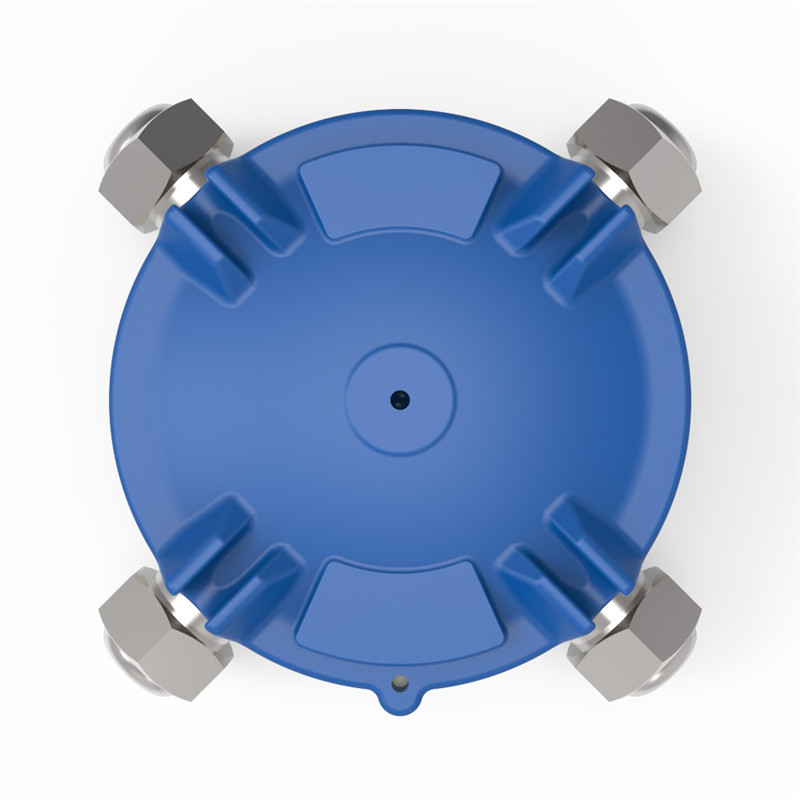
Which Questions Should Guide Requirements for an Explosion-Proof Light?
Problem: vague specs stall projects and raise costs
Projects slip when procurement hands vague lighting requests to contractors, or when operations, safety, and procurement all assume someone else sorted the details. Start by lining up stakeholders and a focused question set, and ask experienced explosion proof lighting manufacturers about availability and lead times so the project timeline doesn’t become guesswork.
Who needs to be at the table?
Make the list short and decisive: owner/client, procurement, project manager, operations/plant representative, the safety or compliance contact, the electrical contractor, and the prospective supplier. Each role raises different procurement needs. Which of these parties will sign off on procurement trade-offs? Who owns spare-parts budgeting? Who will manage warranty claims?
High-level procurement questions to ask suppliers and engineers
Frame requirements as questions for qualified vendors and engineers rather than technical directives. Examples to put on your RFP or ask in meetings: What are realistic delivery windows and minimum order quantities? Can you provide product documentation and evidence of conformance to applicable requirements? What documentation and test records will accompany shipments? Are there options for phased delivery to match construction milestones? What does your spare-parts and service support look like over the asset lifecycle? Can you outline typical lead times for replacements and extended orders? Request clear product listings and datasheets—such as for explosion proof led lighting fixtures—so procurement can compare lead times, warranty scope, and service coverage without guessing technical suitability.
Common procurement pitfalls to avoid
Vague performance language, late supplier involvement, single-source dependency, and missing spare-part plans create delays and cost surprises. Don’t accept ambiguous delivery terms. Don’t assume on-site teams will adapt systems without schedule impacts. Don’t defer documentation review until after award. Ask who will verify that supplied documentation aligns with project procurement conditions before purchase commitments are made.
How to coordinate decisions without prescribing technical design
Use structured checkpoints: document questions, collect written supplier responses, and require suppliers to nominate a single point of contact. Evaluate vendors on demonstrable capacity to meet delivery schedules, clarity of documentation, availability of local support, and transparent spare-part pricing. Let engineers and qualified specialists confirm technical fitness; your role is to capture procurement risks and schedule implications so the technical team can verify suitability.
Vendor evaluation: practical question checklist
Ask each prospective vendor these direct questions: Can you meet the project timeline and provide staggered deliveries? What is the warranty coverage and who handles warranty administration? Can you provide references for similar supply programs and evidence of supply continuity? How do you manage obsolescence and spare-part stocking? Who will be our single point of contact for order changes and expedited needs? Require written answers that procurement can compare side-by-side.
Synthesis: align questions, timing, and responsibilities
Define procurement success by clarity: clear questions to suppliers, defined sign-off authorities, and firm delivery expectations. That alignment reduces surprises and keeps technical verification where it belongs — with qualified engineers and specialists — while procurement manages risk and schedule. This pragmatic alignment mirrors the practical support established suppliers such as sunleem provide during planning and supply coordination.