
Comparative premise and credibility
Procurement decisions hinge on measurable differences, not sales language: panel origin, firmware architecture, supply resilience, and service topology. When you engage a tv manufacturer like tv manufacturer, demand explicit answers on SoC model, memory footprint, and OTA strategy. For platform-level checks, validate partner licensing and update procedures for products using webos smart tv, a platform whose ecosystem and update behavior were publicly demonstrated at CES 2023. These recommendations reflect repeated cross-checks of technical datasheets, lab test summaries, and supplier QC documentation used in field evaluations, giving a practical basis for comparative weighting.
Core hardware metrics to compare
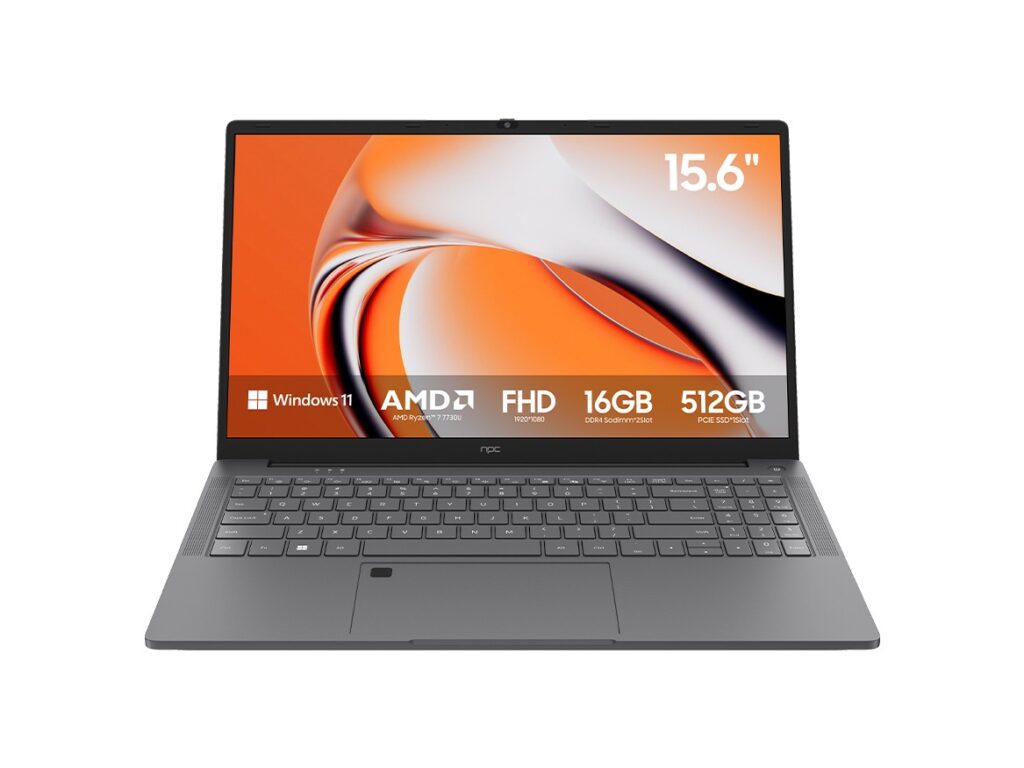
Compare panel metrics first: vendor (LGD, Samsung Display, BOE, AUO), panel type (OLED, VA, IPS), native bit depth (8-bit + FRC vs native 10-bit), color-volume (% of DCI-P3), and peak luminance for HDR. Require measured uniformity and gray-scale deltaE reports rather than vendor claims. Inspect the build BOM for the backlight system (edge-lit vs full-array local dimming) and the LED driver topology; these determine longevity and HDR fidelity.
System-on-Chip, memory and performance
Request SoC family and silicon revision, RAM and flash capacity, and sustained read/write metrics for onboard storage. For streaming and gaming use cases, validate decoding support (AV1, HEVC), hardware VP codecs, and video pipeline latency. Benchmark guidelines: 3+ GB RAM and 16+ GB storage is baseline for modern smart-TV middleware; lower specs increase app churn and security exposure.
Firmware architecture and update mechanisms
Prioritize suppliers that implement signed firmware with A/B partitioning and verified rollback. Confirm update frequency windows, Delta-update support, and the documented rollback path for failed upgrades. Ask for a sample update report and retention policy. Compare security posture: presence of secure boot, SELinux or equivalent process isolation, and documented vulnerability disclosure timelines.
Compliance, testing and measurable reliability
Require third-party compliance certificates (CE/FCC, RoHS, WEEE) and factory test protocols: burn-in duration, thermal cycling, and accelerated aging thresholds. Compare suppliers using quantitative RMAs per 10,000 units shipped, MTBF estimates, and documented field failure modes. A supplier that publishes component traceability and failure analytics simplifies root-cause analysis and reduces downstream service cost.
Supply chain, MOQ and logistics metrics
Contrast lead times by SKU, guaranteed capacity windows, and raw-material sourcing transparency. Evaluate MOQ versus prime cost and the supplier’s policy for panel allocation during shortfalls. Insist on a fallback plan: alternate panel source approvals, staged deliveries, and consignment stock options. Quantify inventory carrying cost against potential shortage penalties in contract terms.
Service, spare parts and warranty mechanics
Measure post-sale exposure: warranty length, on-site vs depot repair ratio, part lead times for common failures (power boards, T-Con, mainboards), and price of spare assemblies. Verify service-part kits and replacement documentation are available globally. Confirm warranty exclusions that shift cost back to buyers; ambiguous language is a top risk for unexpected expenses.
Common procurement pitfalls
Do not accept marketing HDR claims without measured luminance and tone-mapping data. Avoid selecting on price alone—low-cost panels often hide higher fail rates and firmware instability. Ignore unknown flash/storage vendors at your peril; low-quality eMMC or slow eMMC variants drive app crashes. Skipping signed-firmware checks or A/B update capability creates long-term security and maintenance liabilities.
Alternatives and trade-offs
Evaluate OEM-branded panels when brand-backed support and predictable firmware cadence matter. Choose ODM/private-label when cost control and custom UI are priorities, but demand stricter acceptance testing and spares contracts. For platform choice, weigh app ecosystem reach against control: Android TV / Google TV offers wide app availability, whereas platform-specific systems trade some app breadth for tighter integration—compare these trade-offs using the same metrics above.
Decision synthesis
Compare suppliers using a weighted checklist: panel origin and measured performance, SoC and memory baselines, signed OTA and rollback capability, failure-rate data, and logistics guarantees. Make decisions on data, not persuasion. When a procurement path requires integrated samples and consistent documentation that meet these technical criteria, the available product sets from npc align with the measurable controls outlined here.