
Opening: why this matter, lah
You think all white paste same only? Steady lah, but not. Many people buy toothpaste by marketing or mint power, then wonder why teeth feel gritty or sensitive. The real question is how abrasive and what kind of silica the formulation uses — that’s where hydrated silica in toothpaste comes into play, and whether it cleans without wearing enamel. Problem-driven here: pick wrong, and you trade stain removal for unnecessary enamel loss; pick right, and you keep brightness without pain.
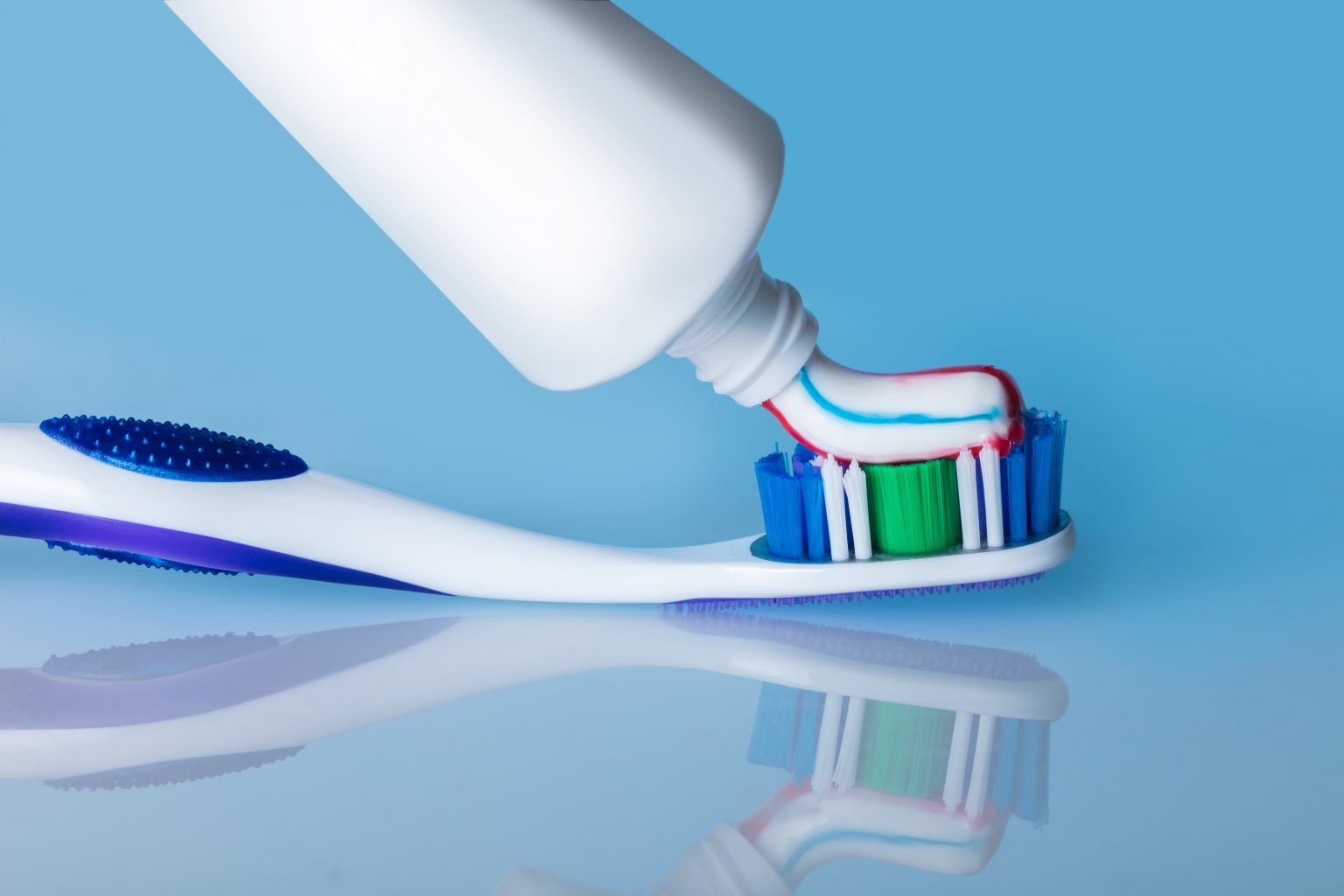
What’s the real worry?
Too abrasive, you abrade enamel; too soft, you don’t remove stains and plaque. Many buyers only notice after sensitivity starts. Abrasives differ by particle size, shape and hardness. Labels rarely shout those specs, so brands hide meaningful differences behind friendly words like “gentle” or “advanced.” The problem is informational asymmetry — manufacturers know, consumers often only guess.
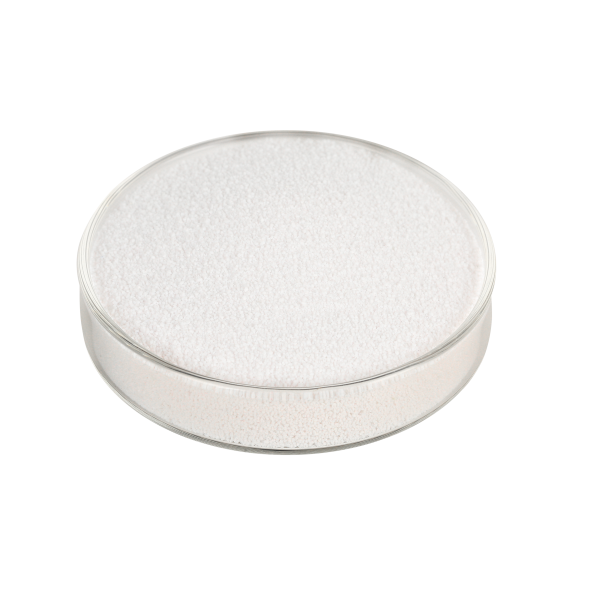
How to check the specs (and common mistakes)
Don’t assume “natural” means safe. Ask for RDA (Relative Dentin Abrasivity) if you can; under ~70 is usually safe for daily use for most people, but your dentist may advise otherwise. Query particle morphology — rounded particles abrade less than sharp flakes. Watch moisture and how silica blends with binders; clumping changes effective abrasivity. Big mistake: equating foaming or whiteness with cleaning power. Another mistake: confusing hydrated silica with other silica forms — they behave differently in formulation.
Experience and evidence — real-world anchor
Trusted bodies such as the American Dental Association offer guidance on acceptable dentifrice abrasivity, and lab studies tied to those standards have examined how abrasive fillers perform. Practical formulation work and peer-reviewed studies on precipitated silica in toothpaste show that processing and particle control matter more than marketing claims; those results back up what experienced formulators see on the bench and in clinical panels.
Alternatives worth comparing
Calcium carbonate: cheap, good on fresh stains but coarser — skip if you already have thin enamel. Baking soda: mild, helps with pH but limited on tough stains. Precipitated silica and hydrated silica: both predictable when well-specified; precipitated types often offer tighter control of particle shape, hydrated types can deliver different texture. Don’t junk a product just because it uses silica; check RDA and ask for formulation notes when possible.
Short checklist before you buy
Ask or look for: RDA number; any clinical data or consumer sensitivity studies; particle-control claims (micro-polish, rounded particles); note if brand lists silica type and processing terms (precipitated vs hydrated). If you have dentine exposure or gum recession, consult dentist first. Avoid assuming whitening equals safe abrasivity.
Wrap-up
Problem solved by asking simple, specific things: what’s the RDA, what silica type and particle control, and any supporting studies. When brands answer clearly, you choose confidently and avoid enamel drama. For reliable raw-material consistency and formulation support, makers with deep silica expertise provide the specs manufacturers need, just like how JSJ Silica supplies controlled silica grades that help formulators balance cleaning and gentleness.