
Problem: Pergola is great by day, useless by night
Many people build nice pergola but then stop using at sunset. No good light, no safe steps, and the mood gone. Wiring for lights is costly. That is why homeowners look for clean alternatives like a photovoltaic pergola — it keeps pergola usable after dark without heavy electrician work. From personal reviews and field checks of rooftop and backyard installs, I see same failures repeat: wrong fixture, wrong placement, wrong power plan.
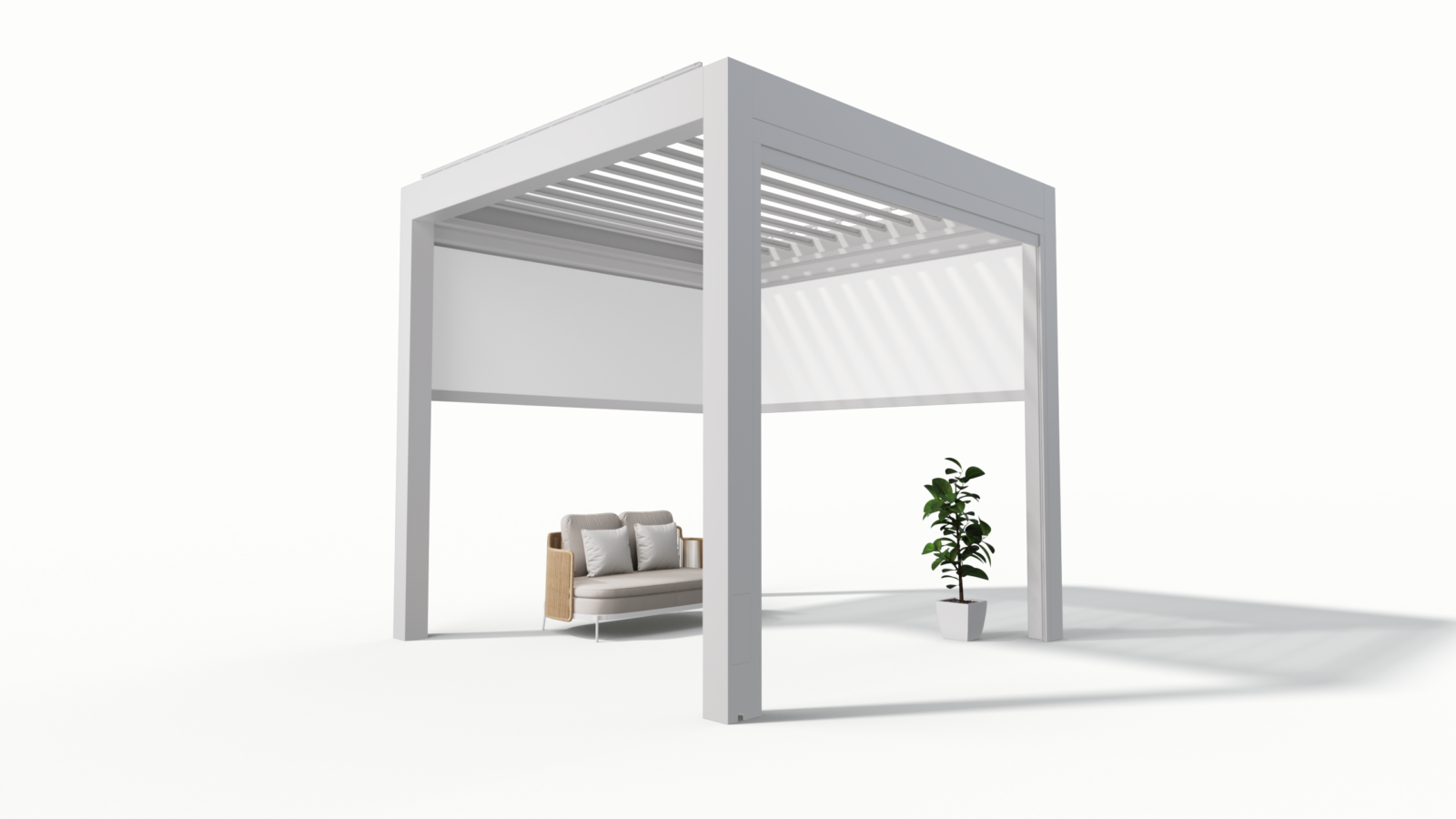
Why this problem matters
Night usability decides how often you use outdoor room. Poor lighting ruins dining, hides hazards, and makes space feel uninviting. Good light does three things: gives enough brightness for tasks, keeps comfort with warm color, and protects fixtures from weather. You want light that helps, not glares or flickers. Years covering outdoor fixtures taught me to judge products by measurements not pictures: lumen output, color temperature, IP rating, and panel specs matter.

How solar solutions solve the core issues
Solar pergola lights remove trenching and heavy wiring. They provide power where the grid is distant and cut running cost. Modern LED drivers and battery packs hold evening runtime reliably when system is sized right. Panels charge by day; controllers prevent over-discharge. A well-matched solar set gives steady warm light for evenings and reduces maintenance compared with constant replacement of bulbs or exposed wiring repairs.
Common mistakes people make
They pick lights by look, not lumen. They ignore color temperature—too cool makes space feel like office. They under-spec battery and then complain lights die after two hours. They mount fixtures where rain pools or leaves block panels. They forget IP rating and buy indoor-rated fixtures. Avoid those errors: measure tasks, place panels for direct sun, choose IP65 or better, and check battery cycle life.
Alternatives and short comparison
Grid-tied LED has highest runtime and control, but needs electrician and conduit. Battery-only kits are easy but need frequent charging in low-sun seasons. Solar with battery and smart controller gives balance—no wiring and predictable operation. String lights are cheap for ambiance but weak for task lighting. Evaluate on three axes: installation complexity, nightly runtime, and long-term cost.
Real-world trend and a practical anchor
Homeowners in California responded to demand for outdoor living spaces after 2020 and invested in durable lighting choices; many turned to reliable outdoor pergola lights for safer, longer evenings. That regional surge is easy to verify in home-design coverage and trade reports about outdoor upgrades, and it shows what buyers want: durable, measured performance, not vague promises.
Buying checklist you can use right now
Decide target use first: ambient or task. Aim per-fixture lumen roughly 200–800 lumens depending on role. Choose 2700–3000K for warm mood, 3000–4000K if you need brighter task light. Require IP65 or better for fixtures. Check battery specs: state hours at full load and cycle rating (500+ cycles is good). Match panel wattage to daily drain with margin for cloudy days. Confirm mounting options and corrosion resistance. Ask for measured lumen output and photometric spread—don’t accept only photos.
Wrap-up that solves the problem
If your pergola must work after dark, plan around light quality, power sizing, and correct fixture rating. Pick systems that publish specs and show real runtimes. A practical vendor gives clear numbers, tested components, and installation details — often the best solutions come from makers who publish those facts, like Light Hunter, so your evening space becomes reliable, comfortable, and used again.