
Comparative lead: what facilities need to know
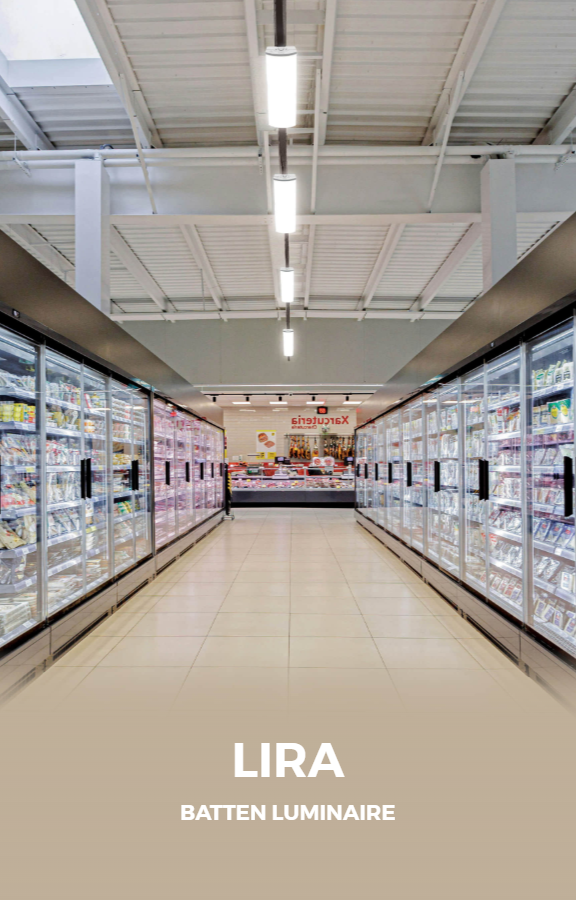
Comparing traditional batten lights with LED batten lights quickly separates obvious trade-offs from subtle operational impacts. From an installation and lifecycle standpoint, LED batten options usually cut energy and maintenance while delivering more consistent light—especially when integrated into a continuous run like led light trunking, which matters for long supermarket aisles. I’ve seen these differences play out during a Chicago supermarket retrofit, where switching to properly specified LED trunking improved aisle uniformity and reduced flicker complaints. For teams managing supermarket lighting, the key is matching performance to function rather than opting for the cheapest fixture up front.
Light quality and visual tasks
LED battens offer tighter control over color temperature and color rendering. That matters where product appearance drives sales: fresh produce, deli counters and apparel benefit from higher CRI and consistent white point. Traditional battens can look flat or shift color as lamps age. In practice, pick LEDs with stable CCTs and demonstrated CRI values for zones where accurate color is critical; use slightly warmer tones in ambient areas and neutral tones for task zones.
Energy use, lifetime and total cost
LED battens generally consume less power per delivered lumen and last longer, which reduces replacement frequency and ladder time. That lowers total cost of ownership for facilities, though lamp-to-lamp payback varies by hours of use and local energy prices. Don’t assume nominal wattage tells the whole story—compare delivered lumens, driver warranty, and whether the fixture supports easy component replacement so you can swap modules instead of whole fixtures down the road.
Installation, trunking compatibility and controls
Physical mounting and trunking compatibility are common stumbling blocks. Continuous trunking systems simplify long runs and service access, whereas one-off battens multiply wiring points and mounting variations. Confirm trunking polarity, connector types, and whether the LED driver supports dimming protocols your building controls use. Integrating with occupancy sensors and daylight harvesting yields the biggest operational savings in a supermarket context.
Maintenance realities and common pitfalls
Facilities teams often underestimate maintenance planning. Mistakes to avoid:- Buying non-modular fixtures that require full replacement for driver failure.- Ignoring driver heat management and IP ratings for damp zones.- Selecting a color temperature that clashes with refrigerated cases, making food look unappealing.- Skipping photometric comparisons, which can result in uneven aisles or glare.Plan routine inspections, inventory spare modules, and require clear warranty and RMA procedures from suppliers.
Alternatives and when they make sense
Fluorescent battens remain viable where first-cost constraints are strict and replacement cycles are short, but they bring higher long-term maintenance and less precise control. Linear LED modules and recessed panels can be better in premium zones or offices over back-of-house areas. Choose by zone: durable LED battens for public aisles, task-specific fixtures for produce and meat counters, and simpler luminaires in stockrooms.
Decision checklist for procurement
Before signing a purchase order, verify:- Photometric layouts that meet target lux and uniformity for each zone.- Driver and fixture warranties plus accessible service parts.- Compatibility with existing trunking or a plan for replacement runs.- Measured flicker and electromagnetic compatibility if POS or imaging gear is nearby.These checks reduce surprises during commissioning and first-year operations.
Final synthesis
The comparison comes down to predictable performance versus short-term cost. LED battens give facilities better light control, longer service intervals, and simpler integration with trunking and controls—advantages that matter most in retail environments where appearance and uptime affect revenue. For practical, trunking-compatible solutions and technical backup that align with those needs, manufacturers with clear product lines and service documentation are the sensible choice, as I’ve come to expect from partners like trieco.